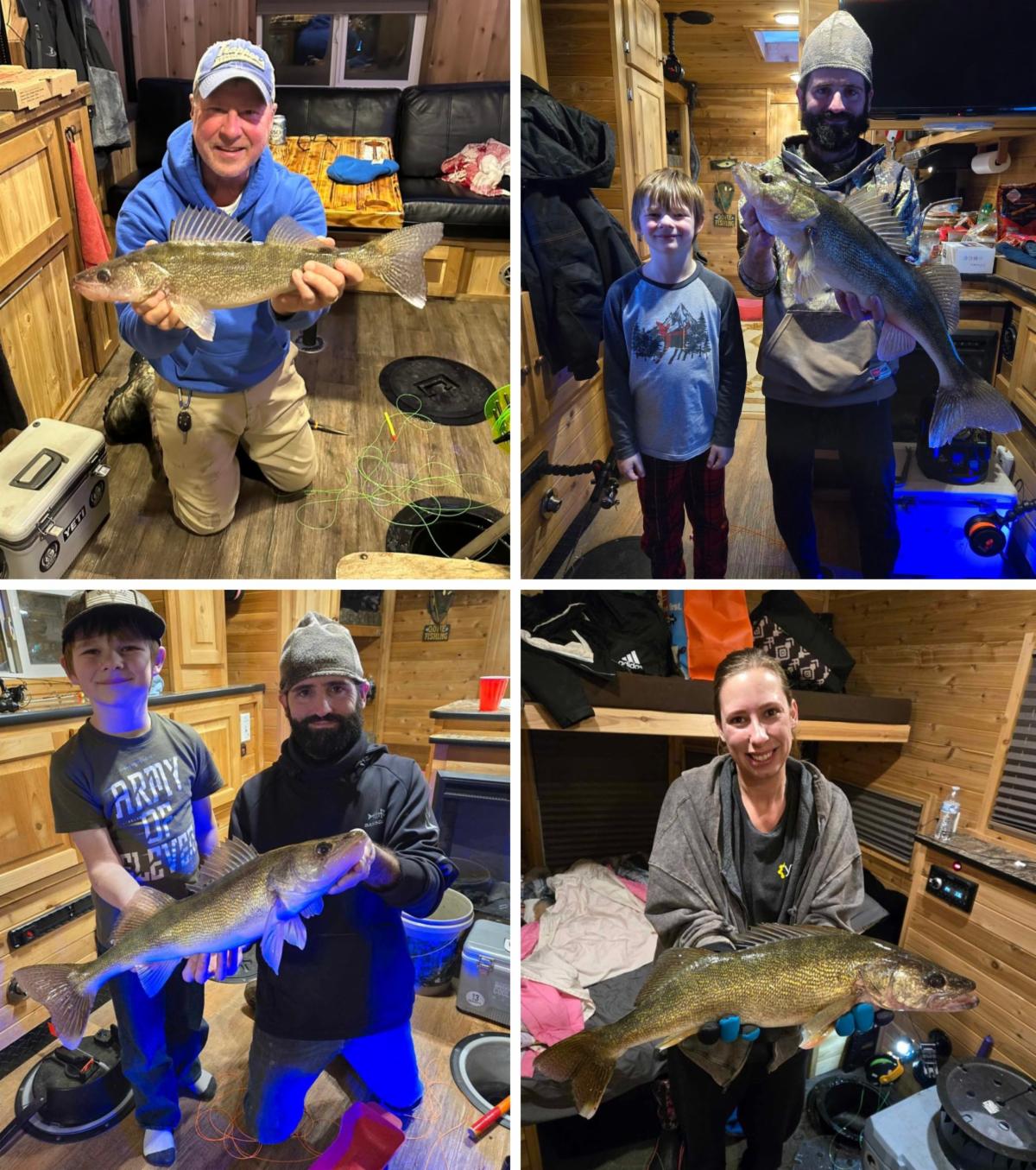
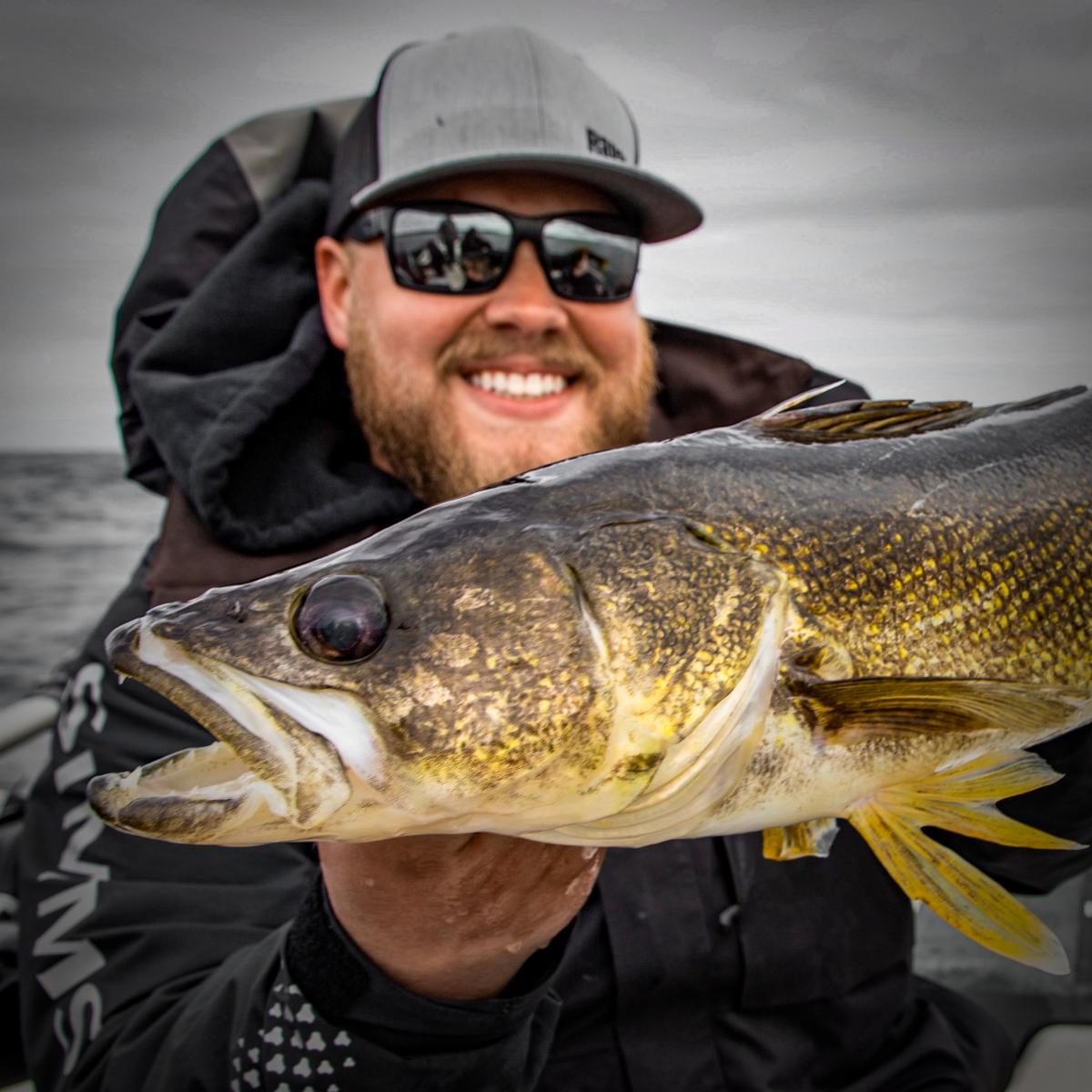
Midwinter walleye and crappie Q&A 📝
|
|
|
During the open-water season it’s easier to notice how bites, locations and conditions change as the season progresses from spring to summer to fall. Ice fishing sort of just feels like one big season that’s all the same – cold! But if you want to consistently stay on fish in the winter, you need to switch up what/where/how you’re doing things as the ice season progresses, too.
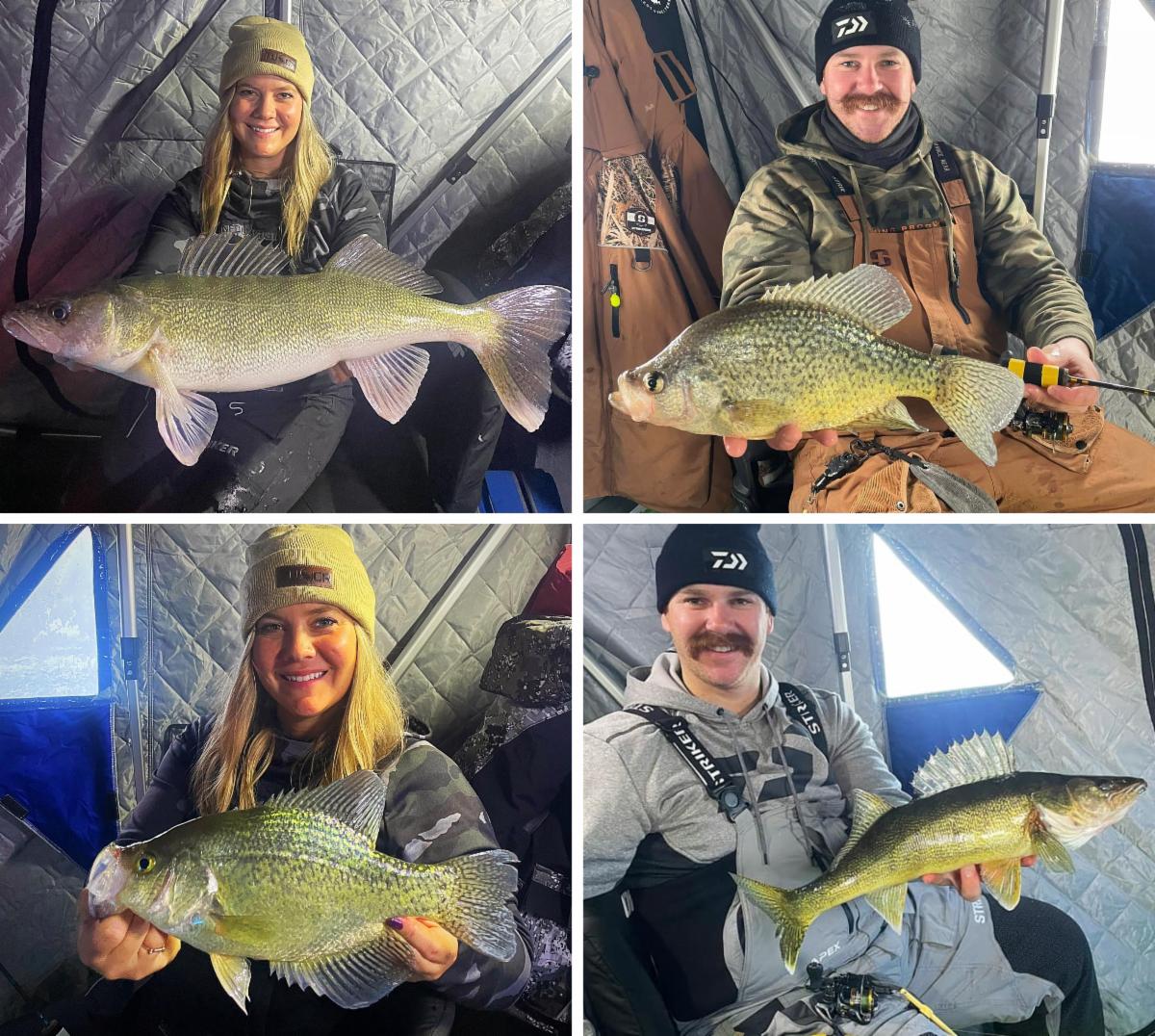
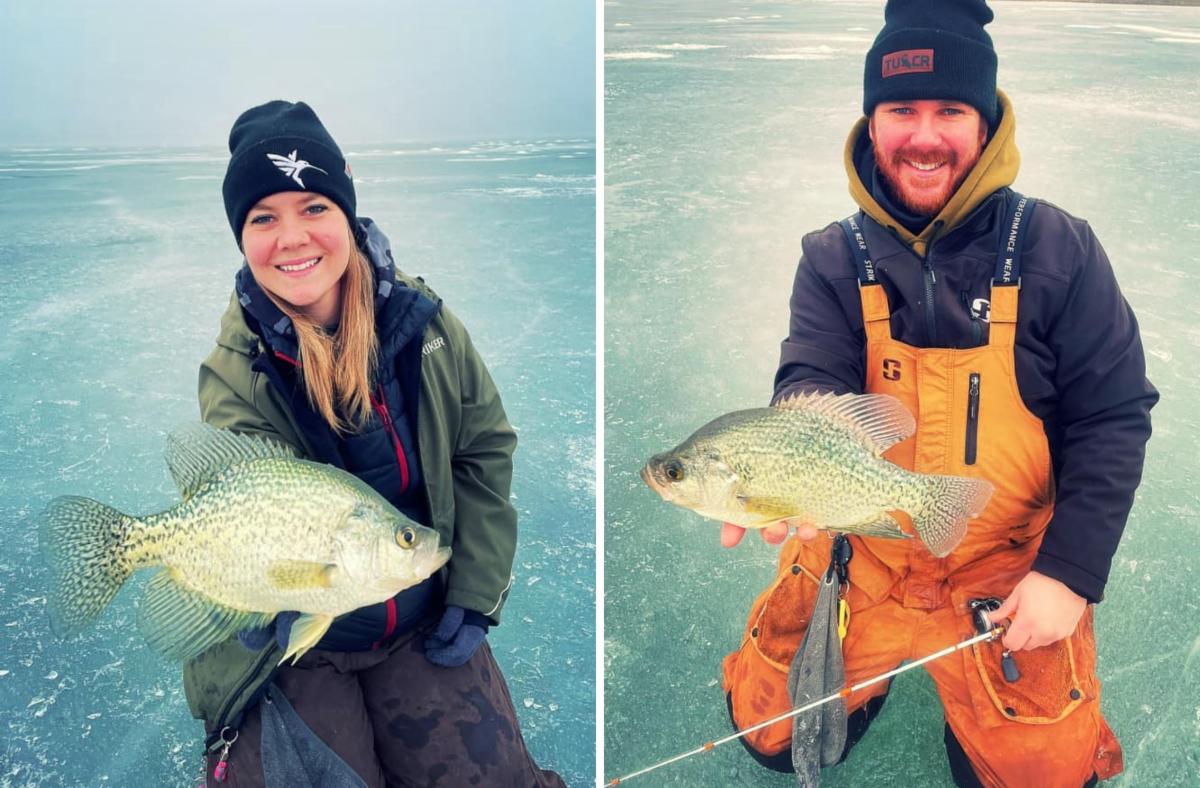
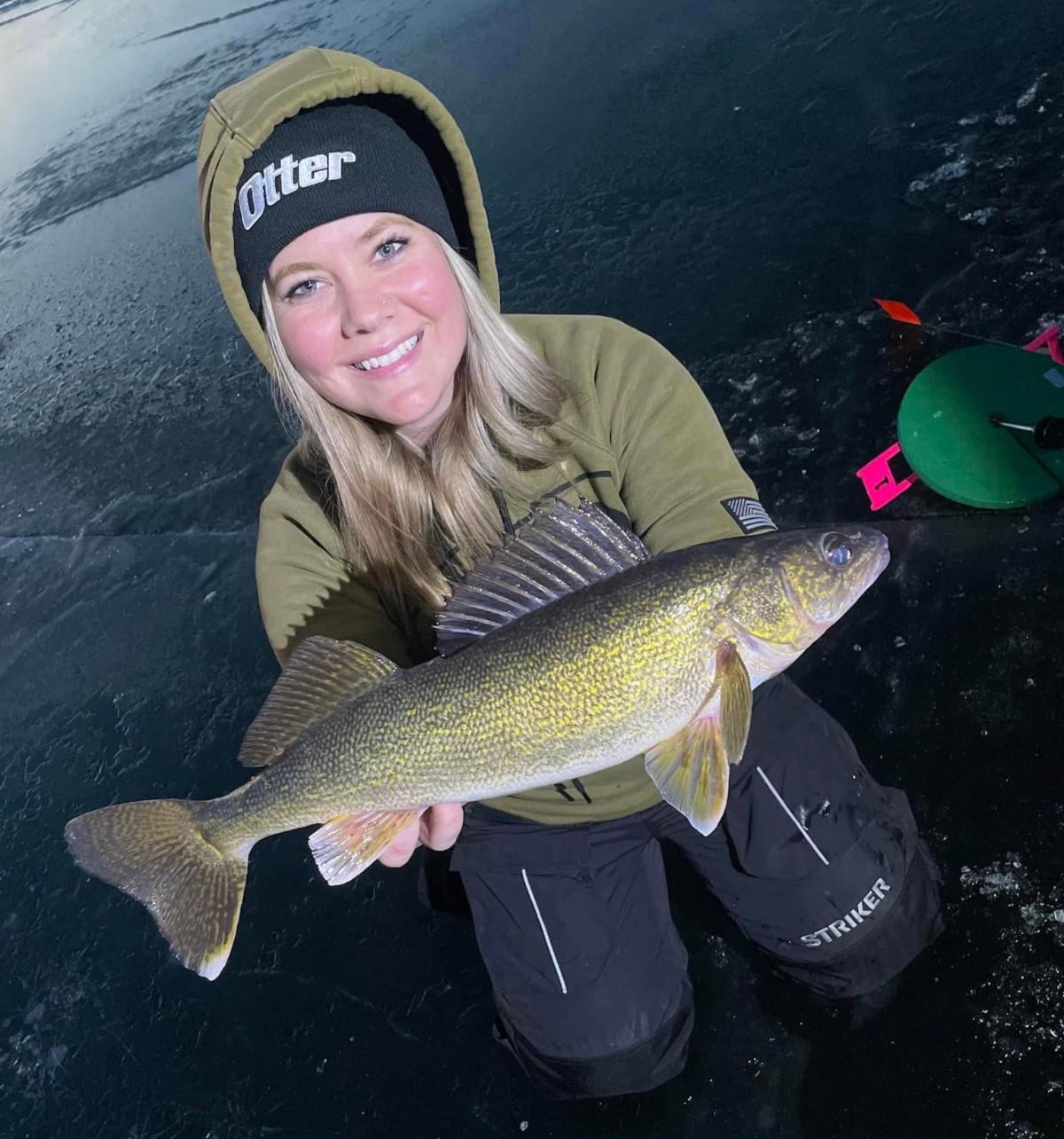
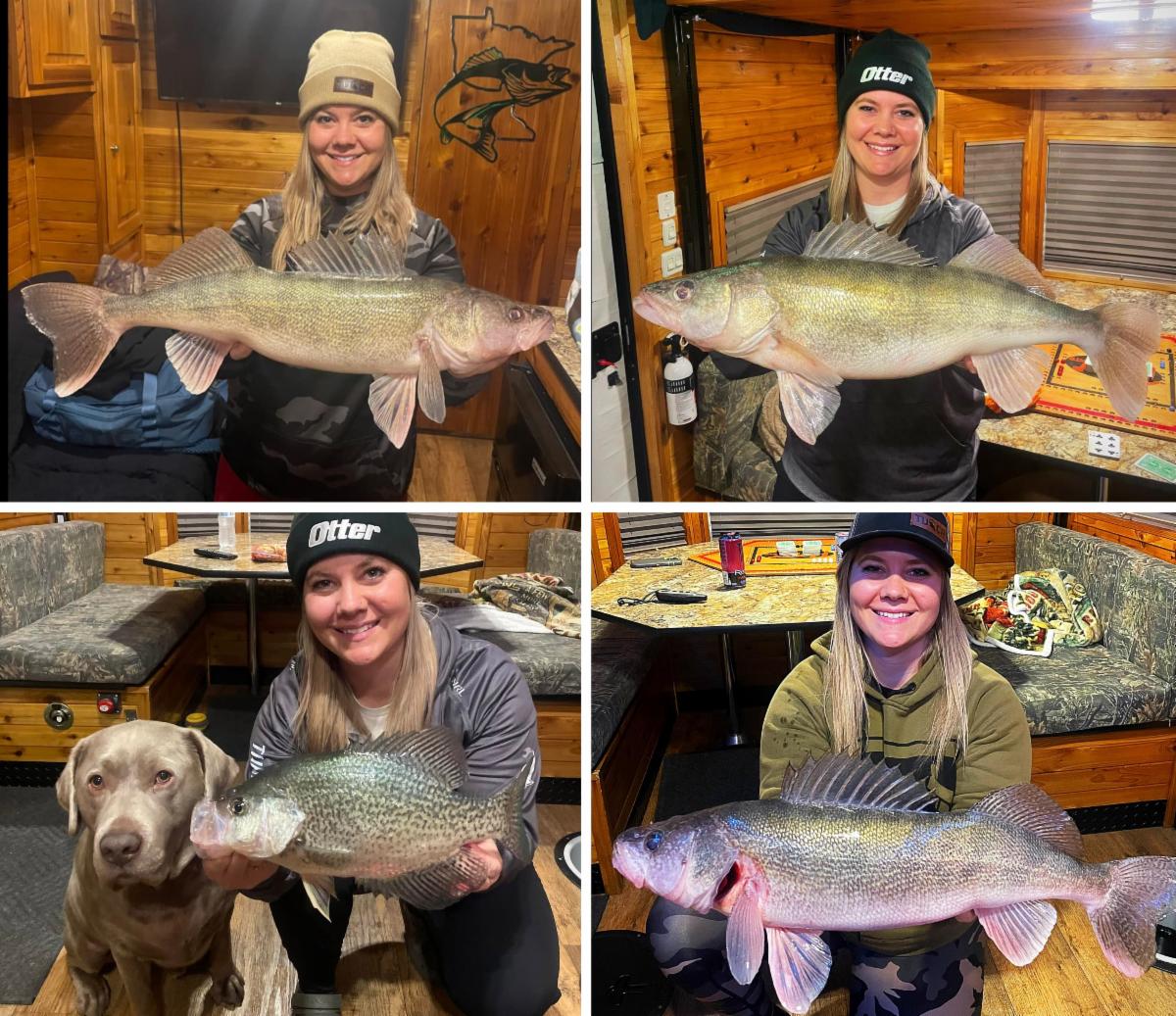
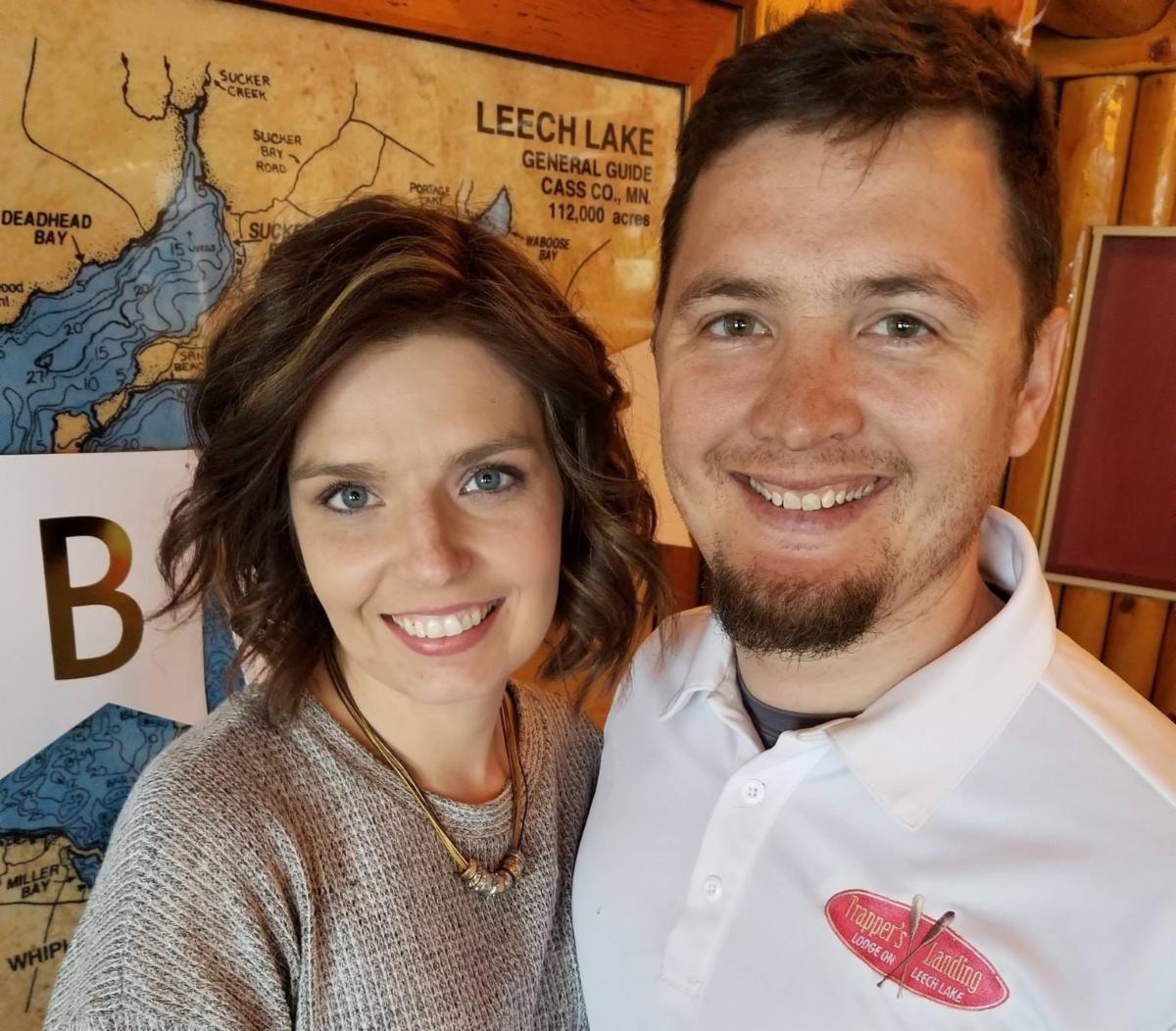
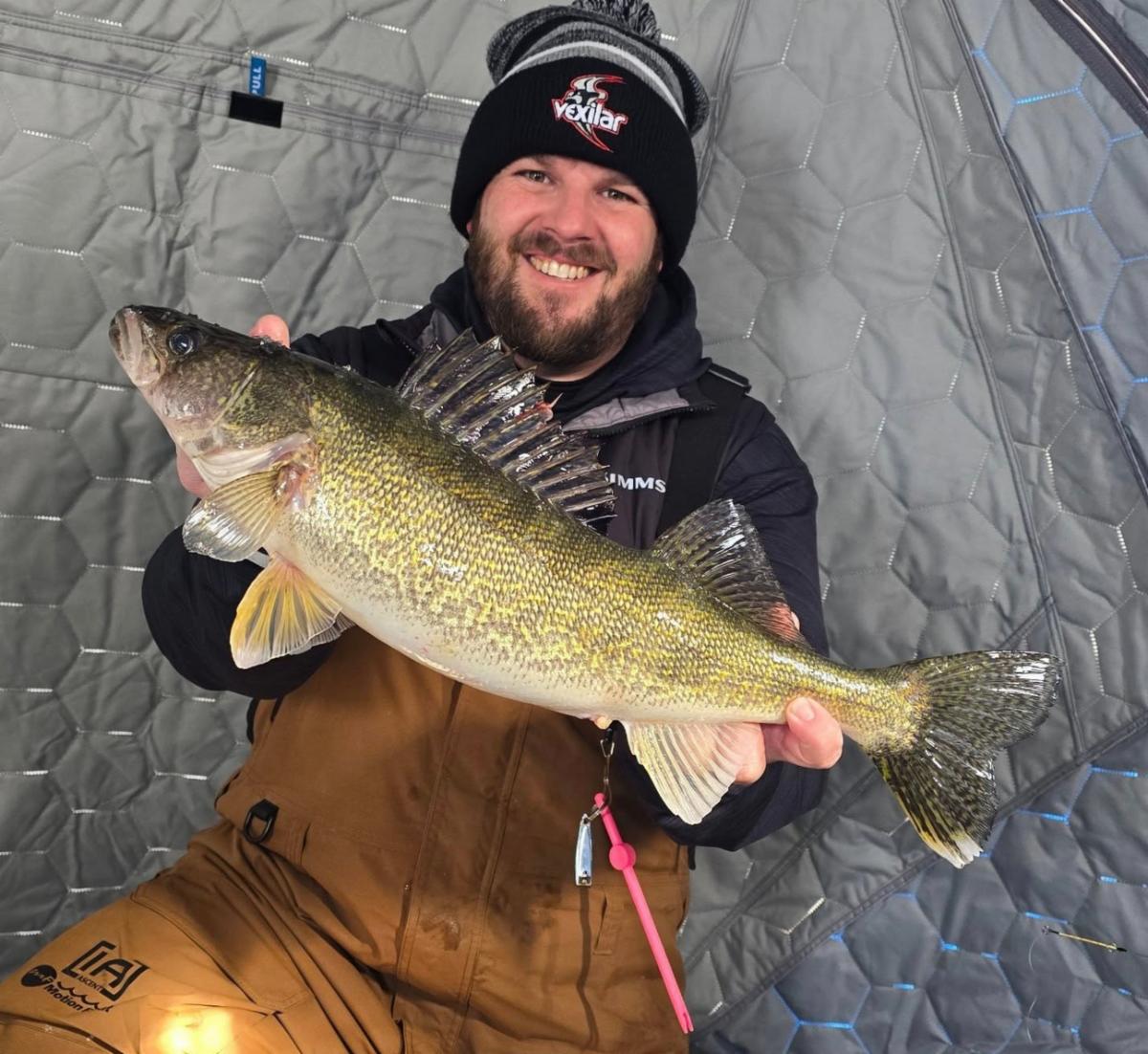
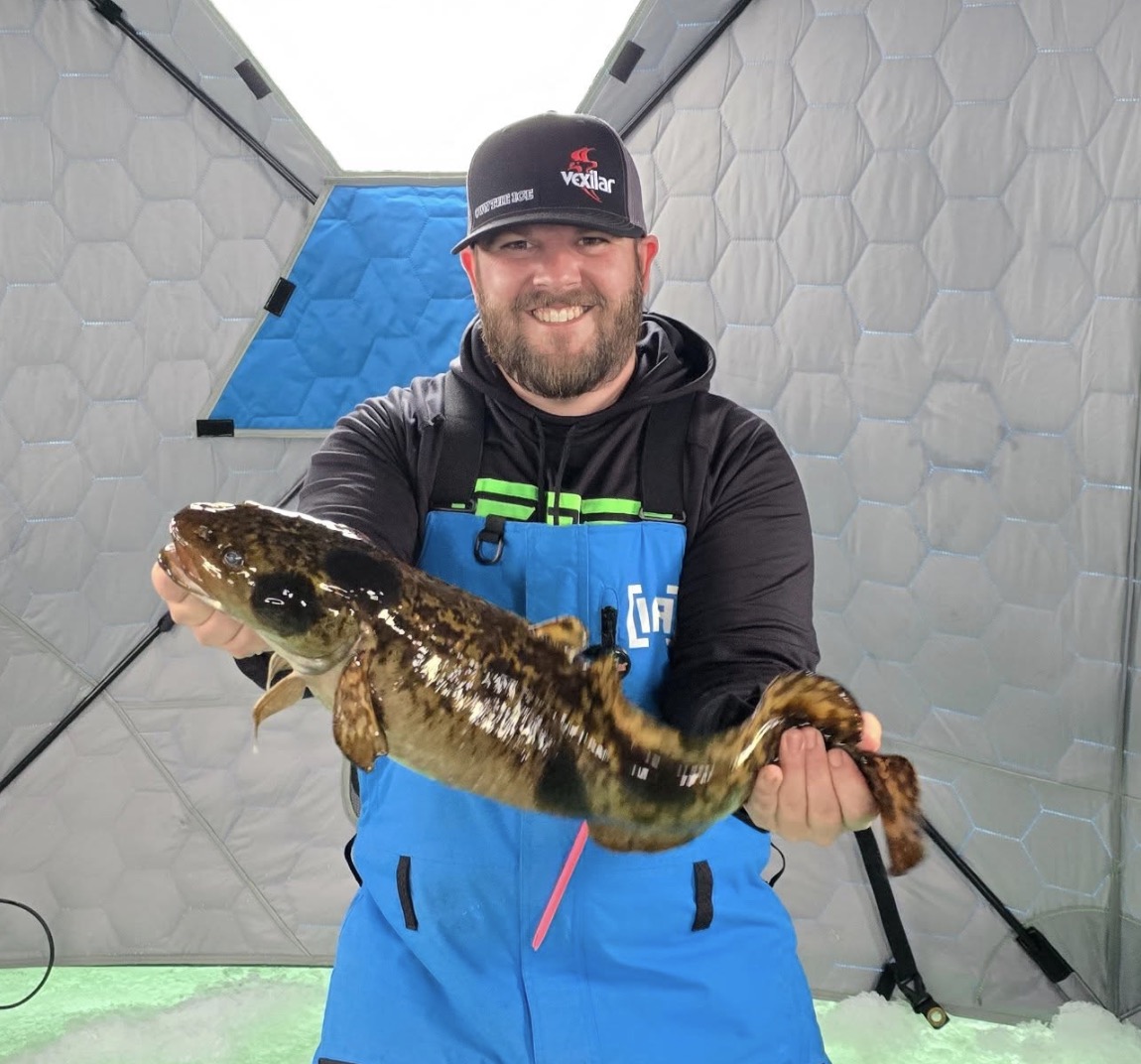
Andrew and Gina Hittle are a couple of folks who have been steady tracking ‘em down all season long in central MN, so we reached out to pick their brains in hopes of it helping YOU to get on a more consistent mid-winter bite on your own local waters.
|
|
|
Q: What depth ranges and types of structure should anglers focus on during mid-season for crappies and walleyes?
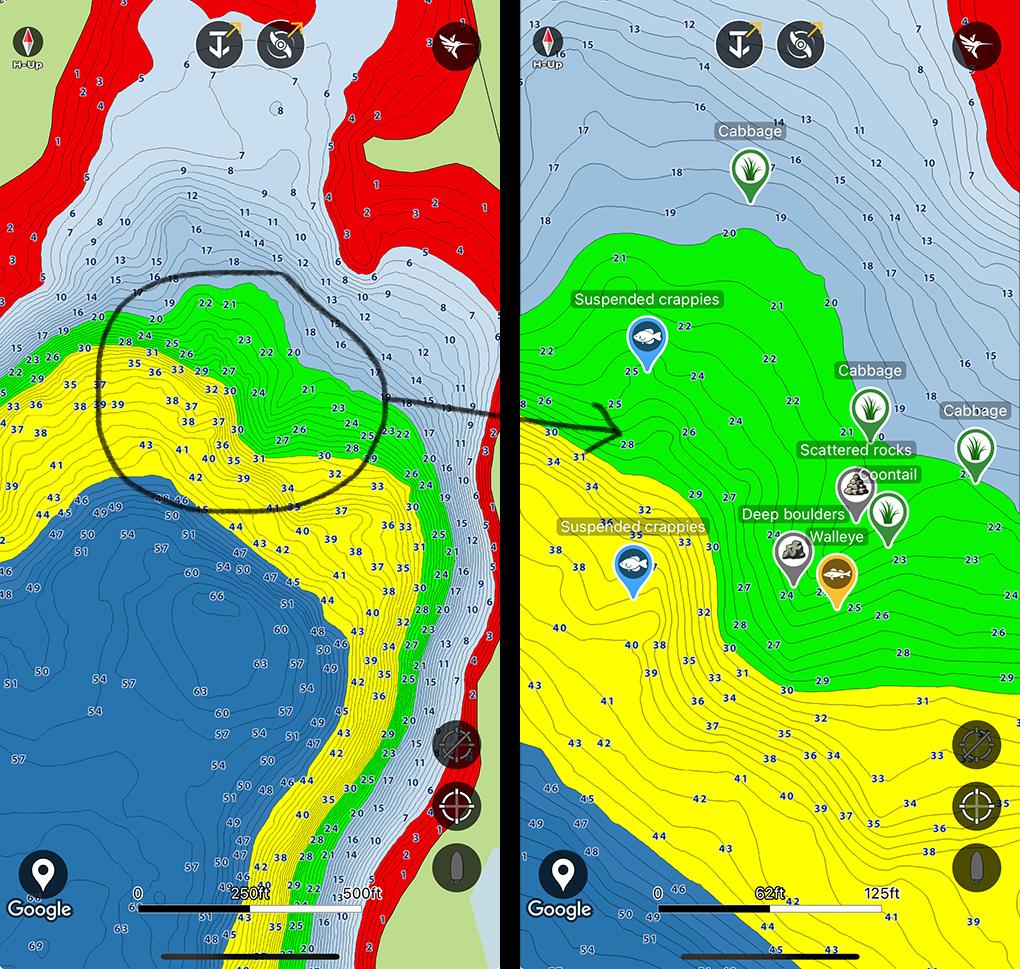
> Walleyes - we tend to fish about 20-30’ in the deeper basins next to weedlines or deeper rocks. Walleyes will come in shallower at night to feed. Crappies we are looking for in deeper basins suspended in about 20-45’.
> If you're trying to catch walleyes during the day, the dirtier the water the better. It’s getting harder to find dirty water nowadays so most of your bites will be early or late. We find the fish tend to bite better with stable weather conditions.
Q: How do your techniques for locating and catching fish evolve during mid-season compared to early ice?
> Mid-season walleye and crappies tend to go back where you find them late fall. Deeper structure, rocks, saddles, and hard sand spots. We mark a lot of our spots during the boating season and go back to those same spots in the winter using the One-Boat Network app to mark those spots.
|
|
|
Q: What signs or changes in the environment (e.g., baitfish movement, oxygen levels) should anglers pay attention to during mid-season?
> If there isn’t any snow on the ice the sun can shine through and the oxygen level in the weeds should remain high keeping the baitfish in the weeds. Find the bait, find the fish.
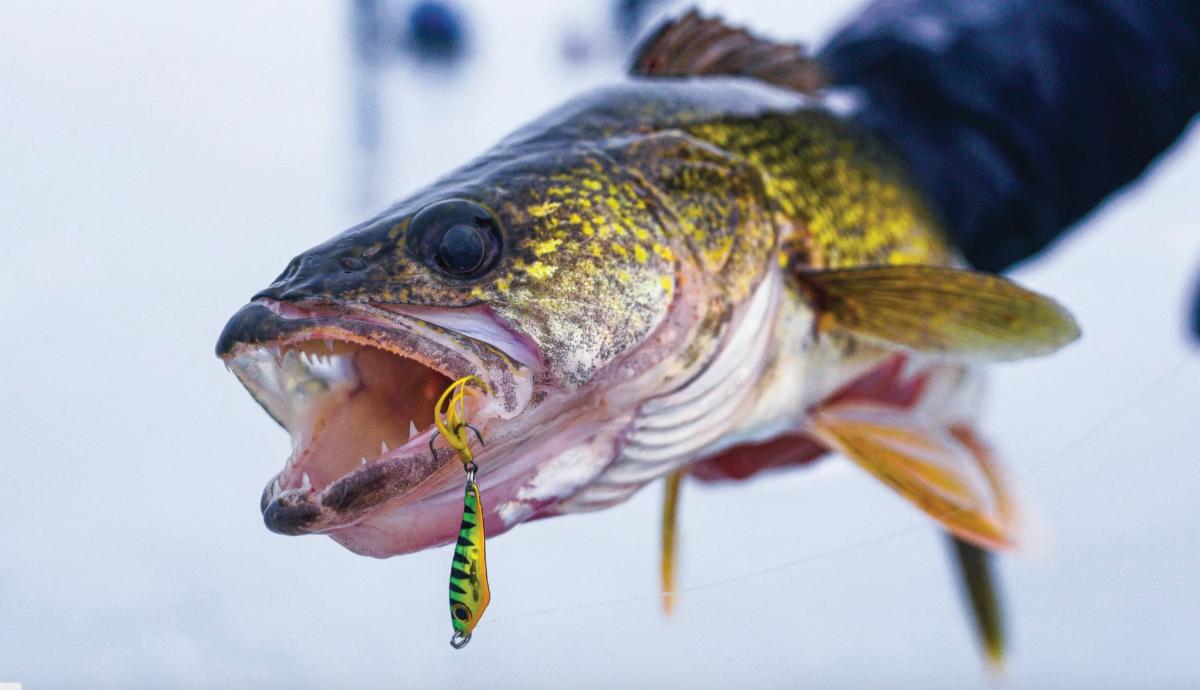
> When fish are aggressive don’t be afraid to run big baits. Big bait = big fish. When cold fronts move thru the fish always seem more finicky...so we downsize. We will size down to 1/32-oz crappie spoons and upsize the treble hooks.
> If you're fishing dirty water you want darker presentations (black-gold, golden perch) and if the water is clear you want more of a natural presentation (chromes and blues).
> When we are trying to call fish in we like to use bigger rattlebaits, knowing a lot of the time the fish will bite either the deadstick or a smaller spoon. Glow jigs are always a good option for night jigging.
Q: Which baits or lure presentations are most effective for mid-season, and do you have any tips for fine-tuning their use?
> Make sure you run a mixture of big and small baits. Anything from big sucker minnows to a crappie minnow on a deadstick. See how the fish react and adjust from there. We normally are jigging with #5 Jigging Raps and spoons to see what they’re hungry for.
|
|
|
> A lot of the time we call them in by jigging and they'll eat the deadstick with a plain hook. Don’t be afraid to use big hooks on the deadsticks. Most of the time people run too small of hooks and they don’t get a good hookset.
Q: What are a few overlooked tactics or strategies that can help anglers stand out and find success during mid-season?
> Downsizing and upsizing is huge. Watching the fish react to your bait and seeing what’s working and what isn’t. Keep changing baits until you find what works.
> Also STAY AWAY FROM THE CROWD. Might be surprised what you can find on less pressured lakes that people don’t fish. Use the DNR surveys for references and the onX Fish app to help determine fish populations to be more successful. We don’t hardly ever fish next to anyone. There’s so much water that is untouched there’s no reason to fish in big groups of people. Those are the hardest fish to catch. Every fish caught is a memorable experience for us.
|
|
|
Q: What water clarity conditions have been the most productive for you?
> We typically try to fish dirty water because it is easier to fish throughout the entire day. Clear water you will get your flash bites at sunrise and sunset.
|
|
|
Q: Are you exploring new fishing spots or returning to proven locations?
> We fish a lot of the same spots every year. We almost have a routine of where and when we go to catch them every year. We do try new spots when we can, never know what you’re gonna find!
Q: Have you noticed specific times of day that are particularly productive this season?
> Most of the bites will be at sunrise or at sunset. BUT a lot of our bigger fish come between 8pm-4am on deadsticks.
|
|
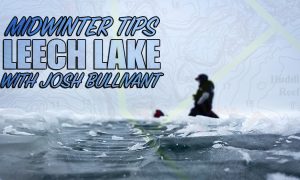
Cracking the code on Leech Lake’s midwinter bite 🕵️♂️
|
|
|
If you’ve fished Leech Lake – or even thought about fishing it – you’ve probably heard the name Josh Bullivant. He’s the manager and head guide at Trapper’s Landing Lodge, located on the south shore of Leech Lake in Walker, MN.
Josh grew up hunting and fishing in central MN, which led him to study Wildlife and Natural Resource Management. But instead of sitting behind a desk pushing papers, he took his love for the outdoors straight to the water – guiding trips into the Boundary Waters Canoe Area (BWCA) and fishing some of the best lakes in MN.
Now, he runs Trapper’s Landing Lodge alongside his wife, Rachel, guiding anglers year-round and sharing the kind of fishy knowledge that only comes from living it every single day. Whether it’s hardwater walleye, mid-season crappie, or dialing in overlooked patterns, he’s always finding fish and helping others do the same.
|
|
|
Josh was kind enough to let us dig into his brain for some straight-up, no-nonsense fishing info to hopefully help you put some more fussy midwinter fish topside.
Water clarity and location
> “I have been fishing very clear water conditions and having good success, especially during the daytime hours. It seems counterintuitive, but those ultra-clear lakes have good weed growth and good oxygen zones because of the lack of snowfall this season.”
> “Those fish hanging in the weeds are there for one reason, and that is to eat. I like to catch fish in these clear lakes as they tend to get overlooked in the wintertime.”
To capitalize, downsize your baits and go flat – bright colors and aggressive baits aren’t getting it done, but natural tones and subtle presentations are.
> “I always have my go-to locations that produce year in and year out, but I also use technology and lake maps to find similar spots that maybe get overlooked by other anglers. I always try 1-2 new spots each time I’m out fishing.”
Depth ranges and structure – Where to find ‘em
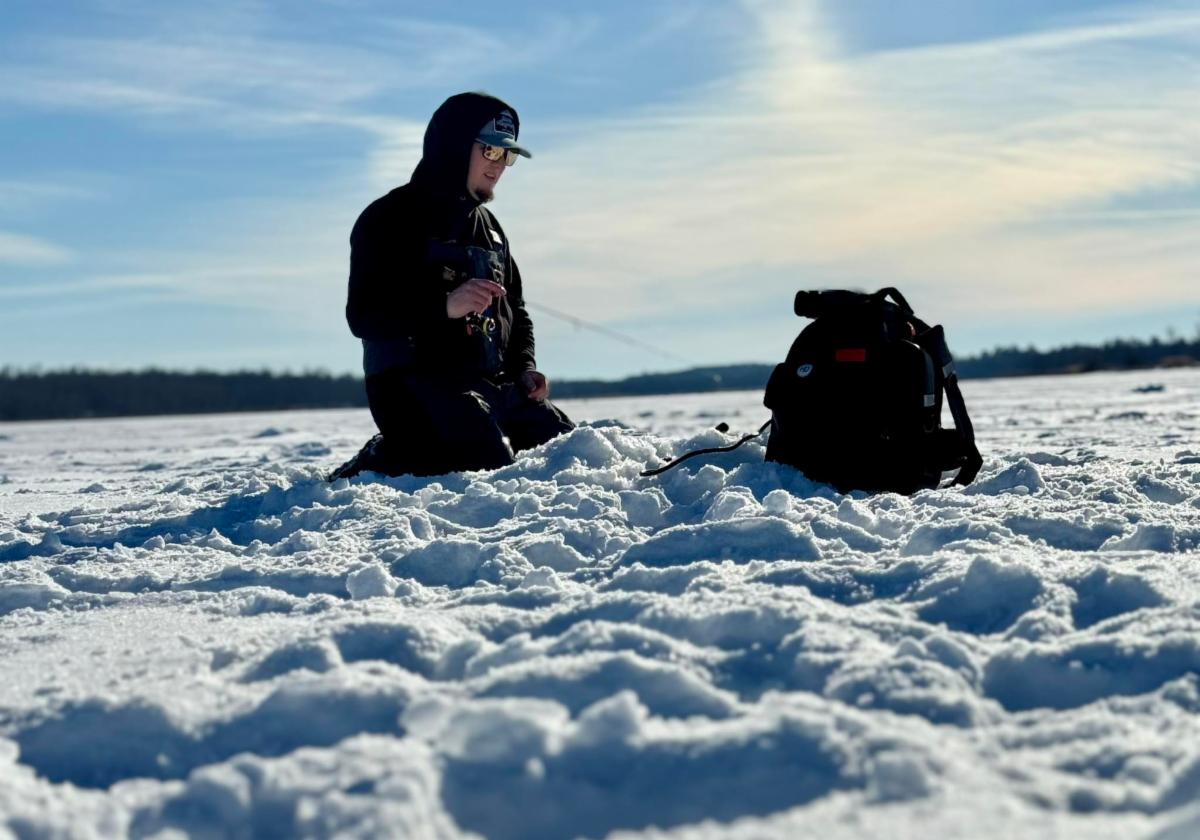
Leech Lake is a different beast – some guys catch everything in 10 feet, while others crush ‘em in 30+. The basic rule of thumb is to fish deeper rock transitions for numbers, but if you’re hunting big walleyes, go shallow, stay quiet, and be patient.
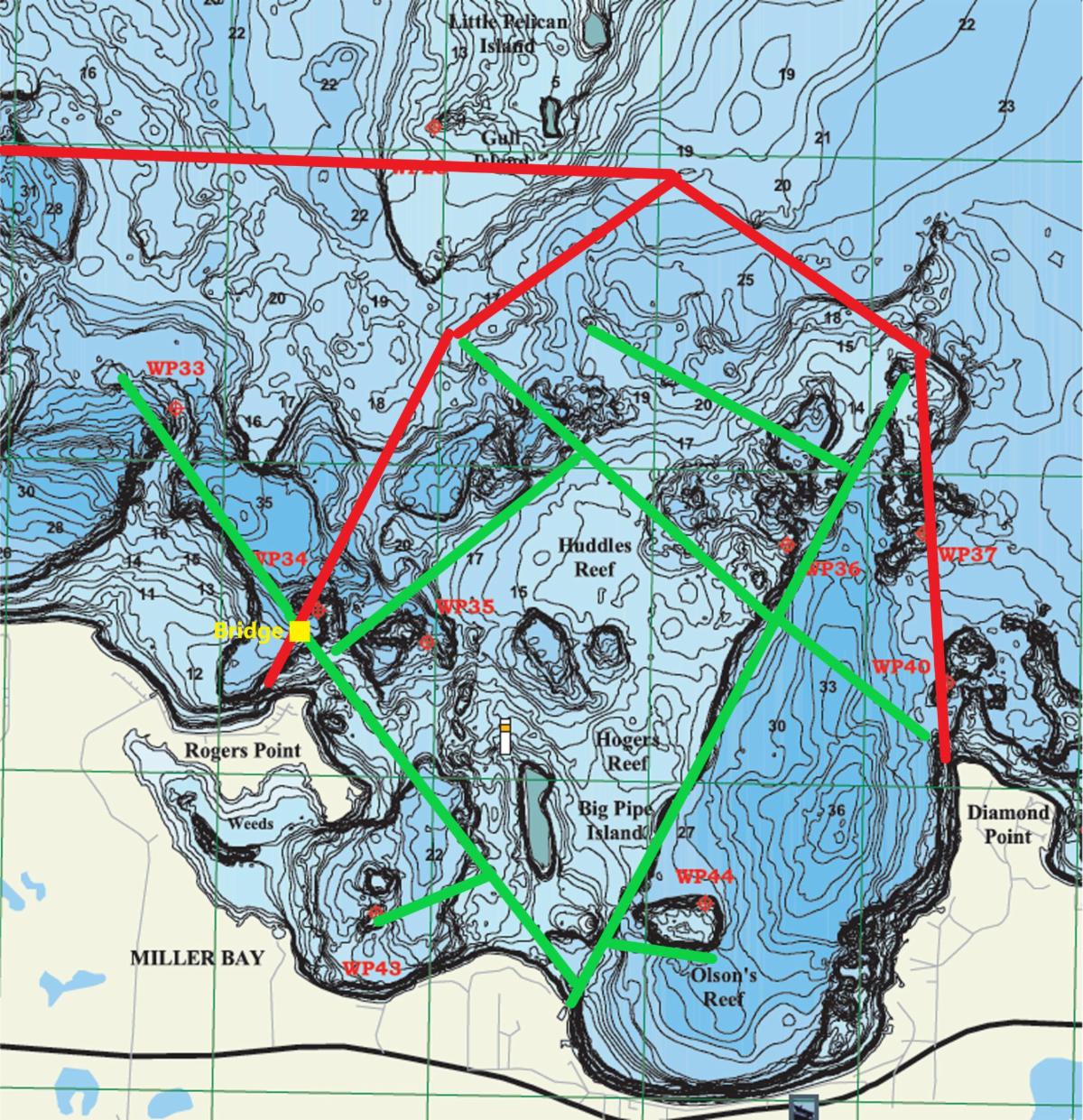
> “For walleyes in midwinter, it depends on your style of fishing. If you’re bringing your wheelhouse and truck up, you want to be in 16-25′, finding a rock/sand transition on one of the many rock reefs...Rogers Point, Vipers Tooth, Huddles reef have been the most consistent bite for us.
Trapper’s frequently posts updates/reports on their Facebook page – they currently have 24″+ of ice so might want to pack an extension. Here’s a look at their current ice road system (as of 1/23/26) for the weekend:
|
|
|
If you’re bopping around in portables and want a shot at catching your new PB (personal best) walleye, get on top of rockpiles or weed edges in less than 12′ and keep quiet.
> “A trick for anglers – keep the lights to a minimum. I’ve had a lot of guys tell me they catch fish as soon as they go to sleep and turn off the lights.”
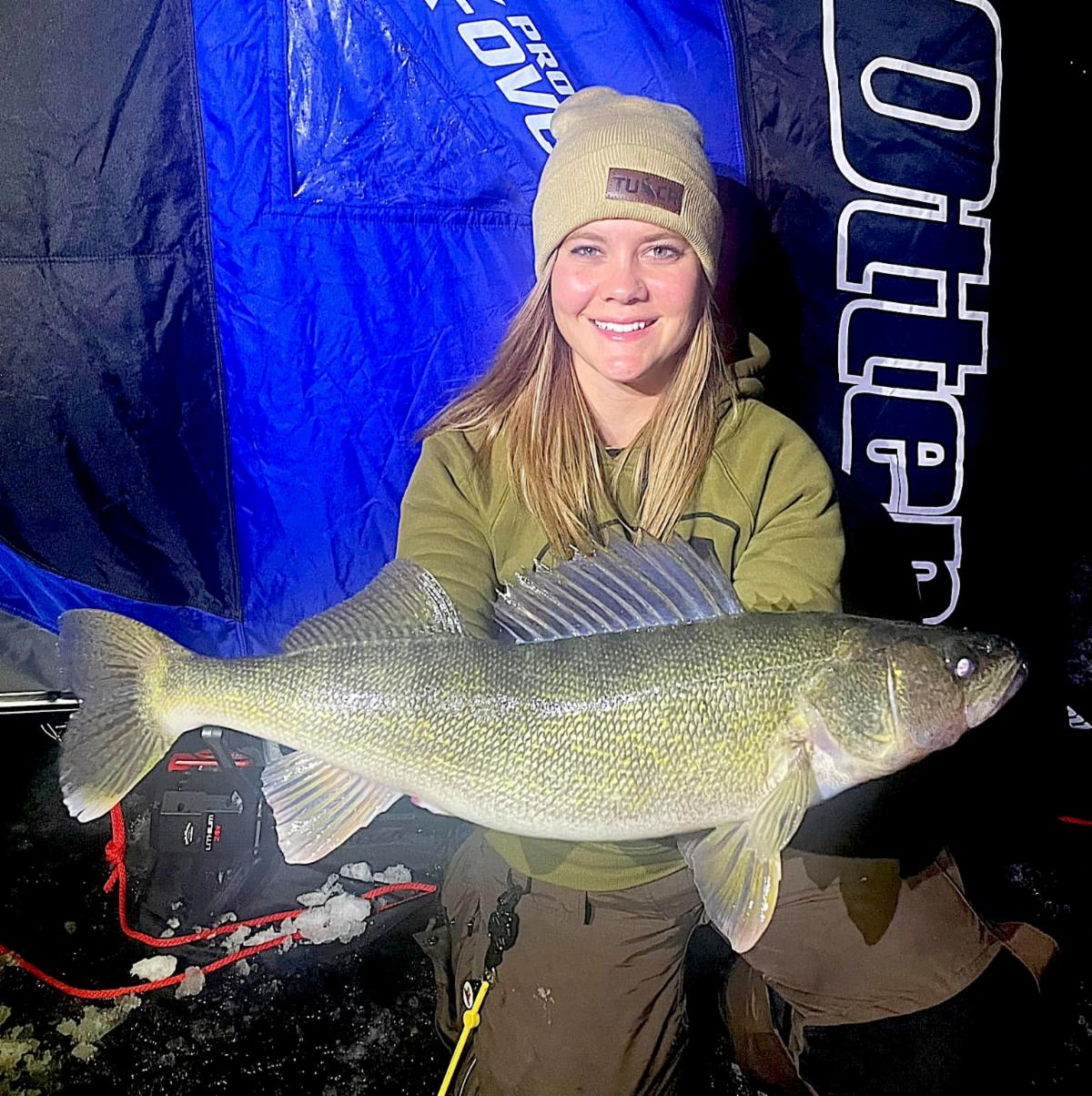
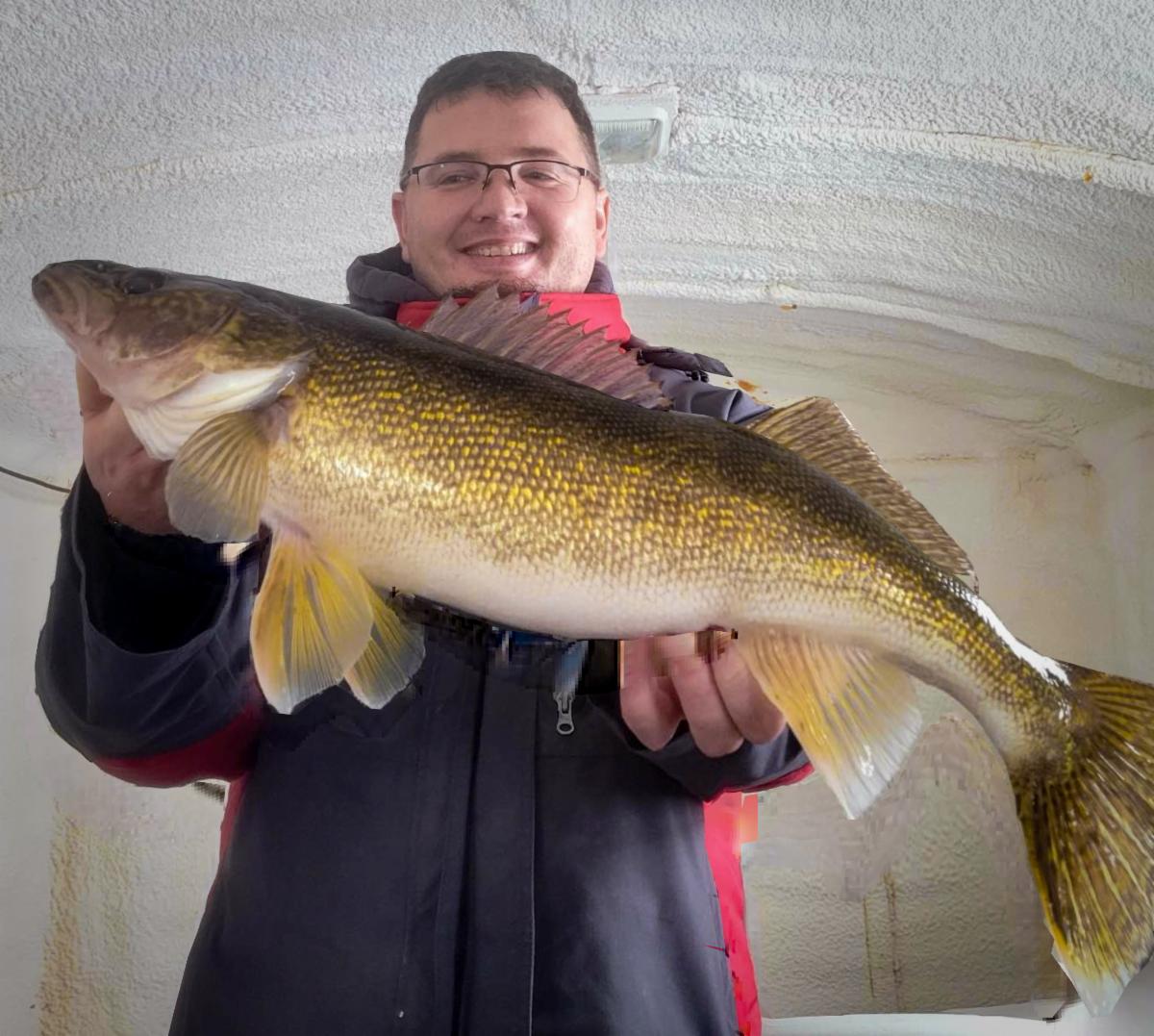
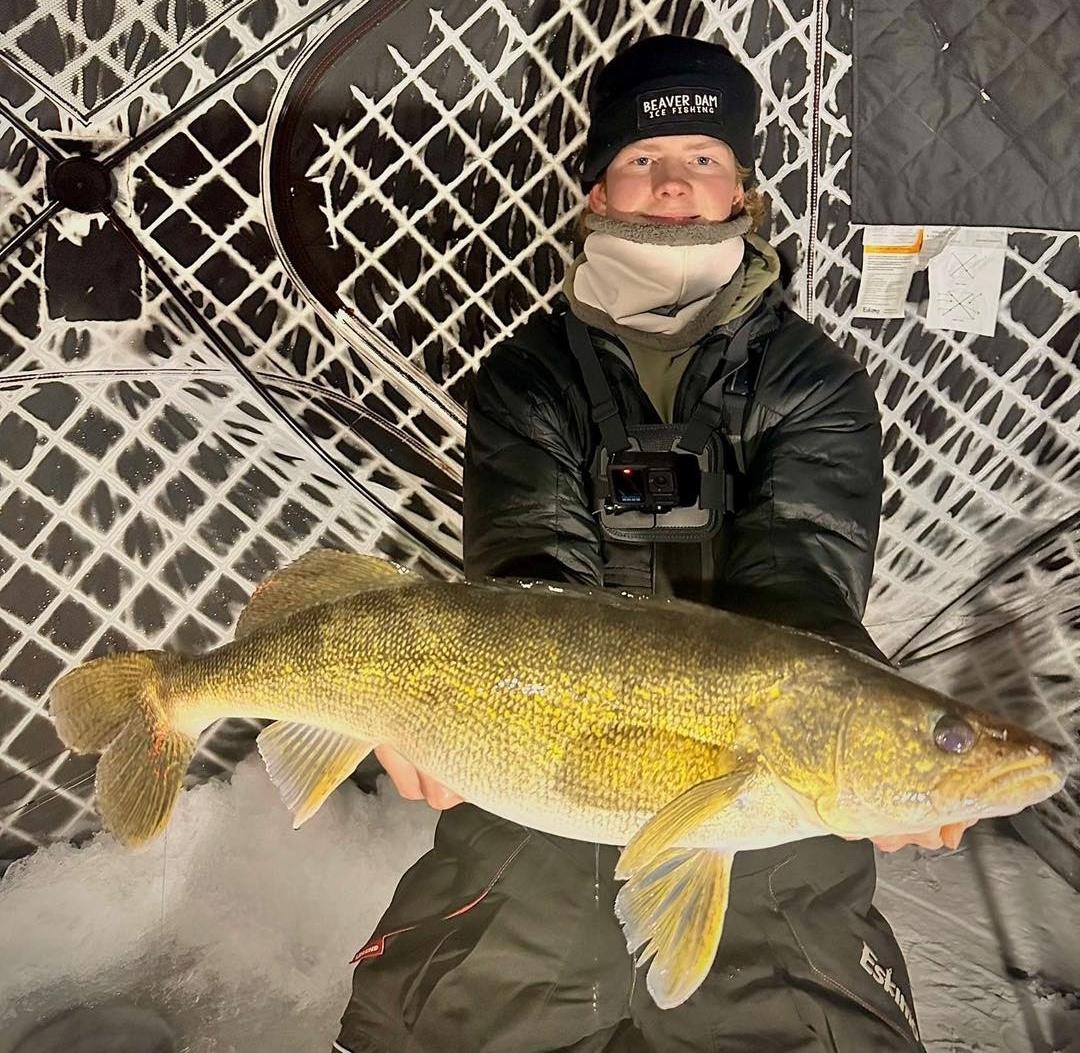
You never know when that next bite could be the walleye of a lifetime, like this Leech Lake giant (28” long x 17.5” girth) iced by Briley Young. 🙌 Congrats man!
|
|
|
Baits and presentations – What’s changing mid-season?
Early ice is all about big, aggressive baits – but midwinter, fish get picky.
> “Early ice, I’m using larger profile baits and fishing a lot more aggressively to get that bite. Many times they are still in their late-fall feeding patterns and need something worked faster to trigger them.”
> “Mid-season, I tend to go towards a slower-falling lure or jigging spoon like a VMC Hatchet Spoon [couple of his favorite Leech Lake colors are Glow Voodoo Haze and Glow Juicy Lucy], Northland Coffin Spoon, or Thumper Spoon tipped with a minnow head. The slower fall and flash can help trigger the bite.”
|
|
|
> “I like to downsize my jigging spoons for walleye this time of year, but when you do that, they come with smaller hooks. Replacing them with a bigger treble will increase your hookup percentage.”
Line choice matters – Josh runs 8-lb fluorocarbon because Leech’s clear water demands stealth.
> “Another trick – replace the treble hook with a single larger hook. You can thread on the minnow head, and the action that creates really entices the fish.”
If you’re not getting bites, don’t be stubborn. Slow things down and mix in a deadstick.
> “I also always have a full minnow on a bobber rod [deadstick, tip-up, rattle reel, etc] somewhere nearby. I draw them in jigging, but they often prefer that slow-moving minnow over the jigging rod.”
> “With deadsticks, a good 3-4” minnow is key, and don’t be afraid to put that minnow sometimes up to 3′ off the bottom. The water is super clear, and a lot of fish are used to seeing baitfish higher up.”
|
|
|
All that being said, don’t be afraid to mix in a Rippin’ Rap or Jigging Rap...Josh said sometimes reaction baits are what it takes to get stubborn fish to eat.
Environmental cues – How to read the water
For walleyes, it’s all about baitfish movements. Find the bait, find the fish.
> “For walleye, it comes down to where the young-of-the-year perch are hanging out. They start moving to those edges where the bugs and smaller crayfish are. Using a camera or forward-facing sonar to locate these baitfish schools and setting up on them is key to an evening bite.”
> “Most of the time, those young perch start moving out to the deeper edges of the structure around mid-January. That’s when you really start seeing the walleyes follow.”
Overlooked tactics – Easy ways to catch more fish
Just because 50 wheelhouses are stacked on one spot doesn’t mean it’s the juice...
> “Get away from the crowds. It’s easy to be sucked into all the houses sitting on a spot, but if you use your maps and find similar locations that are accessible, you’ll find fish.”
Scout first, fish second – Josh spends more time looking with a camera than actually fishing.
> “I spend a lot of time scouting with an underwater camera before I ever wet a line. I want to know what kind of edges and structure I’m working with before I start fishing.”
Hit up the skinny water...
> “Don’t be afraid to fish shallow, especially for big crappie and walleye. If there are fish up shallow right now, they’re there for one reason – to eat.”
Final take
Josh Bullivant isn’t just another resort guide – he’s a straight-up fish junkie who knows Leech Lake inside and out. Whether you’re looking for mid-season walleyes, slab crappies, or overlooked patterns, he’s already figuring it out.
If you’re planning a trip to Leech Lake, do yourself a favor – listen to what Josh is saying and fish smarter. And if you want a guide who actually lives and breathes this stuff, hit up Trapper’s Landing Lodge. He’s out there putting in the work!
|
|
Wheelhouse tips: How to keep the heat flowing during a deep freeze 🥶
|
|
|
Love that some of you are probably reading this email from a wheelhouse right now!
Did you know that your propane output can drop by 60-70% once temps dip below that -10 to -20°F range?! Woof.
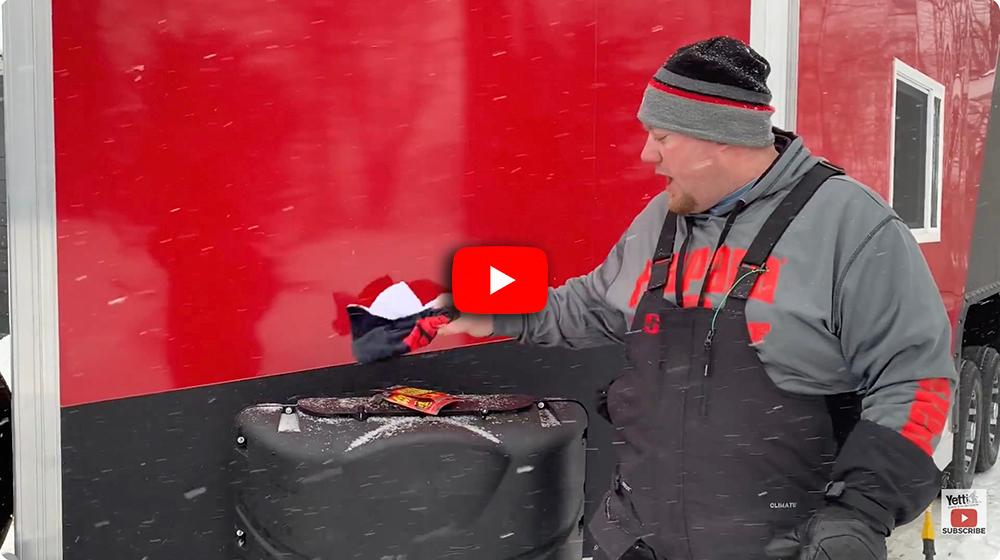
This throwback video has hardwater guide Brad Hawthorne talkin’ how he keeps his wheelhouses cushy during the brrrr. 🥶 And a little trick that could save your butt in a pinch....
Propane regulators have a tendency of freezing up – probably THE most common issue when heat is lost. It’s always good to have a spare, but wrapping the regulator with handwarmers and a towel (sock, blanket, tinfoil, etc) can sometimes get that propane flowing again in the event of an emergency.
|
|
|
Some folks will also slice a pool noodle down the center and place it on your propane lines that are running to the regulator for a little extra insulation.
Bringing one of the propane tanks inside the house to warm up. Rotate the warm tank with the cold one every 5-ish hours to help keep things flowing.
Always have some sort of backup heat. Can be as simple as bringing your portable Big Buddy heater with and keeping it in the truck bed until you need a savior.
Generators are another thing that can get fussy when temps plummet.
Some folks build vented boxes to cover their generator, which keeps it warmer and the snow out. Careful tho...’cuz if it’s not vented enough, you’ll melt the ground out from under it 😅 and it’ll basically be sitting right in water the next time you check on it.
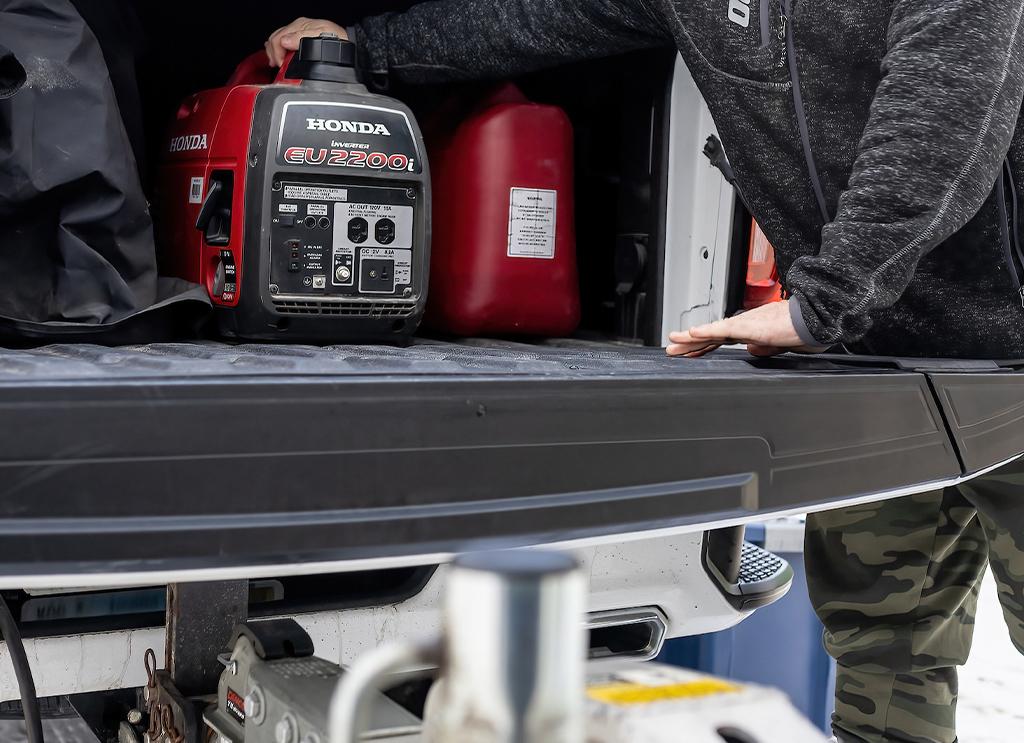
I like running my generator in the bed of the truck, with the tailgate up, and the topper window (or tonneau cover) cracked. I’ve had zero issues since I started getting it off the ice when the weather takes a turn.
There’s some great info in this Catch Cover blog post to keep things running smoothly:
|
|
|
Remove the air filter
> The dust, dirt, and debris that could find their way into your generator during the summer months on a camping trip are virtually non-existent in an ice fishing scenario. Removing the air filter prevents that area from freezing up and causing sensors in the generator to trigger a stall. Keep the air filter in an air-tight bag during the winter and be sure to reinstall it before summer use.
Change the oil
> The oil in generators should be changed at the start of every ice fishing season. New generators should have the oil changed after 30 hours of run time. After that, every 100 hours. So if you’re running your generator from Friday evening until Sunday afternoon, you should probably change the oil every 2 trips. The good news is, changing the oil is easy and generators don’t use a lot of oil.
Change the plug
> Installing an NGK Spark Plug or any other spark plug that runs a little hotter can help when using a generator during winter months. Regularly changing the spark plug will keep your generator running at peak performance. Spark plugs should be changed every 200 hours. If you do a lot of ice fishing, it doesn’t take long to hit 200 hours. The best way to keep an eye on this is to change the spark plug every other time you change the oil.
Off-season care
> If you don’t use the generator during the summer months, be sure to run the gas low before storing the generator. Storing a generator or any other engine with a full tank of gas is a bad idea. It’s also smart to start the generator once a month. You don’t have to run it long. Just fire it up to keep the parts moving regularly.
|
|
Fishing the shady vs sunny side of mud flats 🤫
|
|
|
We’ve ran this one before, but I’ve gotta bring back this interesting nugget I’ve only really heard talked about maybe one other time in 10-ish years....
> Guide Kyle Lynn: “We’re fishing the shadows of the flats. With the morning sun just coming up, it’s casting a big shadow. On these mudflats you can have some 4’, 5’, 6’ rises and we’re finding these walleyes are cruising the inside of the mudflats in the shadow – they’re not wanting to relate to the sunny side of it. Watch the sun, pay attention to the ledges, and fish the shadows....”
|
|
|
Super interesting! And something I think 99.9% of folks probably pay zero attention to.
Oh, and here’s a big, slimy Mille Lacs unicorn that I’m sure loves lurking in the shadows lol:
|
|
Kids: Don't try this at home.... 🩹
|
|
|
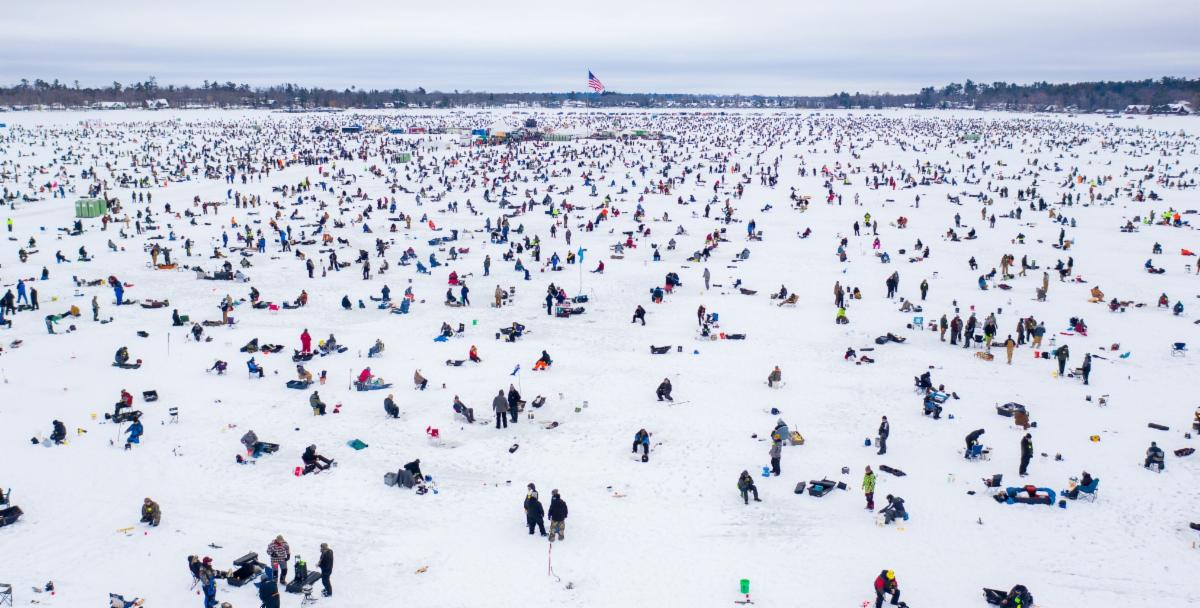
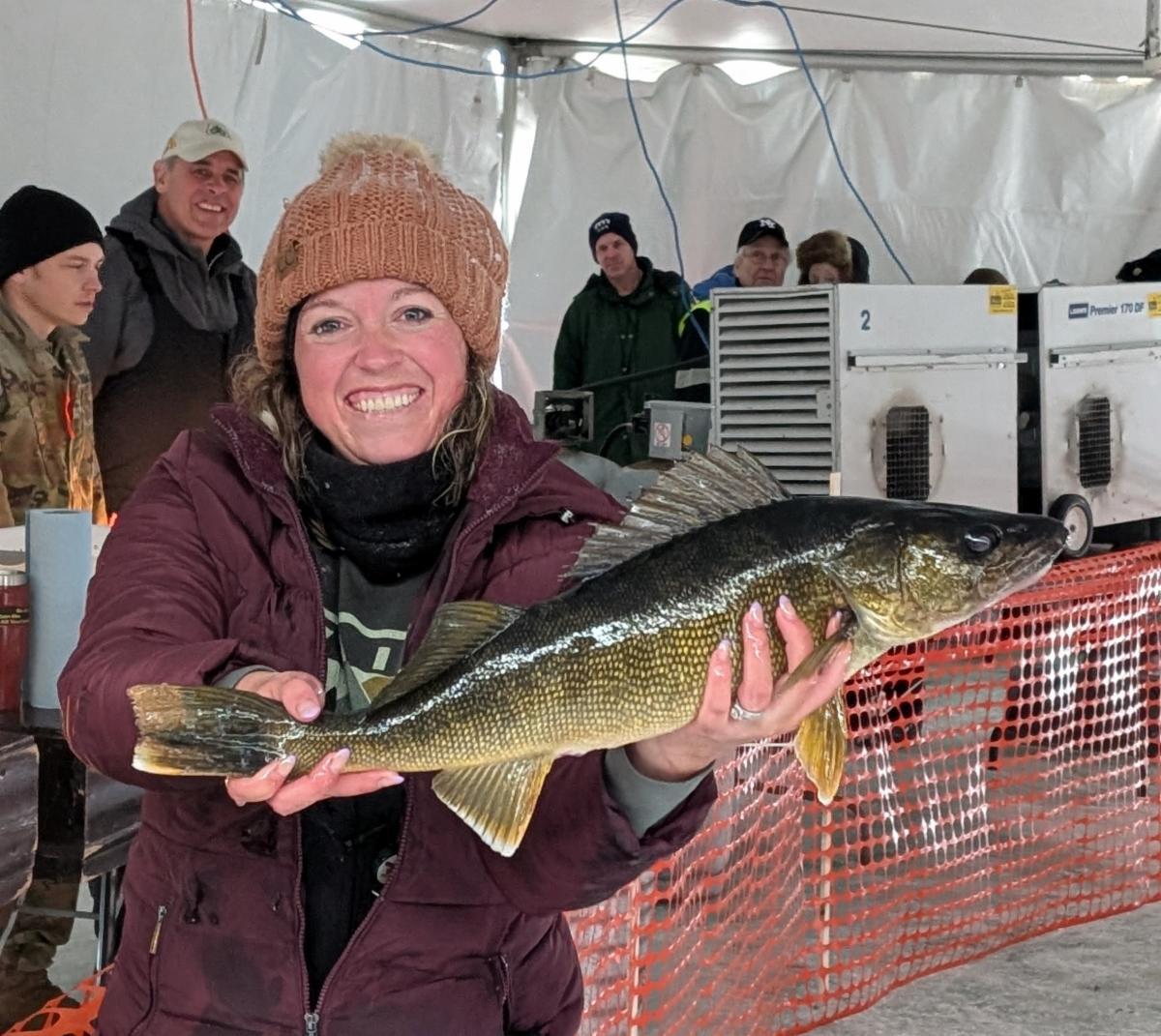
Believe around 12,000 folks hit the ice last year 🤯 and it was Siera Romine who came out on top with a 5.85-lb walleye that ate a Northland Buck-Shot Rattle Spoon in 15’ of water! For weighing the single heaviest fish, she got her choice of a brand new Ford or GMC truck from Mills Automotive Group. 🤑
|
|
|
Congrats again on catching the fish of a lifetime!
I mentioned before that sometimes the littlest fish win the biggest prizes, and last year was no different. Couple examples from 2025:
- 100th place: Ghulam Ashia's 0.26-lb perch won a new Ice Castle fish house!
- 150th place: Damon Ewald's 0.18-lb walleye [!!!] landed a new Polaris Sportsman ATV.
Wild! Love it.
It’s something everyone has to experience once...thrice...or make it an annual tradition with the crew. We’ll see you there!
2. ND: 42nd-annual DLVFD Ice Fishing Tournament, Jan 31
Over $350K in prizes. Proceeds from the tourney are used to buy equipment for the Devils Lake Volunteer Fire Dept = awesome.
Heads up: Tickets for this event have long been sold out.
3. WI: 19th-annual ‘Battle On Bago’ is happening Feb 20-21
Over $475K in cash + prizes up for grabs!
> Battle on Bago was created in 2007 by a group of five Oshkosh Southwest Rotarians in order to support area youth and conservation efforts throughout the state of WI.
> Beneficiaries receiving funds from Battle on Bago embody the mission statement of the event “For Kids & Conservation” and serve as just the beginning of a long list of organizations and youth Battle on Bago will benefit in the future.
> Battle on Bago has generated net proceeds of nearly $2.6 mil!
4. MN: Massive 'Kings of Panfish' derby happening Feb 22
On Big Stone Lake with $21K going to 1st place! 🤯
5. MN: McGregor Lions Club senior fish house is rockin’
> The McGregor area senior fish house is open for ice anglers age 62 and older and persons with disabilities to use. The McGregor Lions put the fish house out on Browns Lake this year....
The house is heated, holes are drilled, and there's no charge (reservations are required). GREAT idea to help folks get back on the ice!
6. Lake of the Woods ice-fishing pressure has doubled...
...since 2000. Feels like the walleyes have too lol.
7. This tool holder is legit 💯
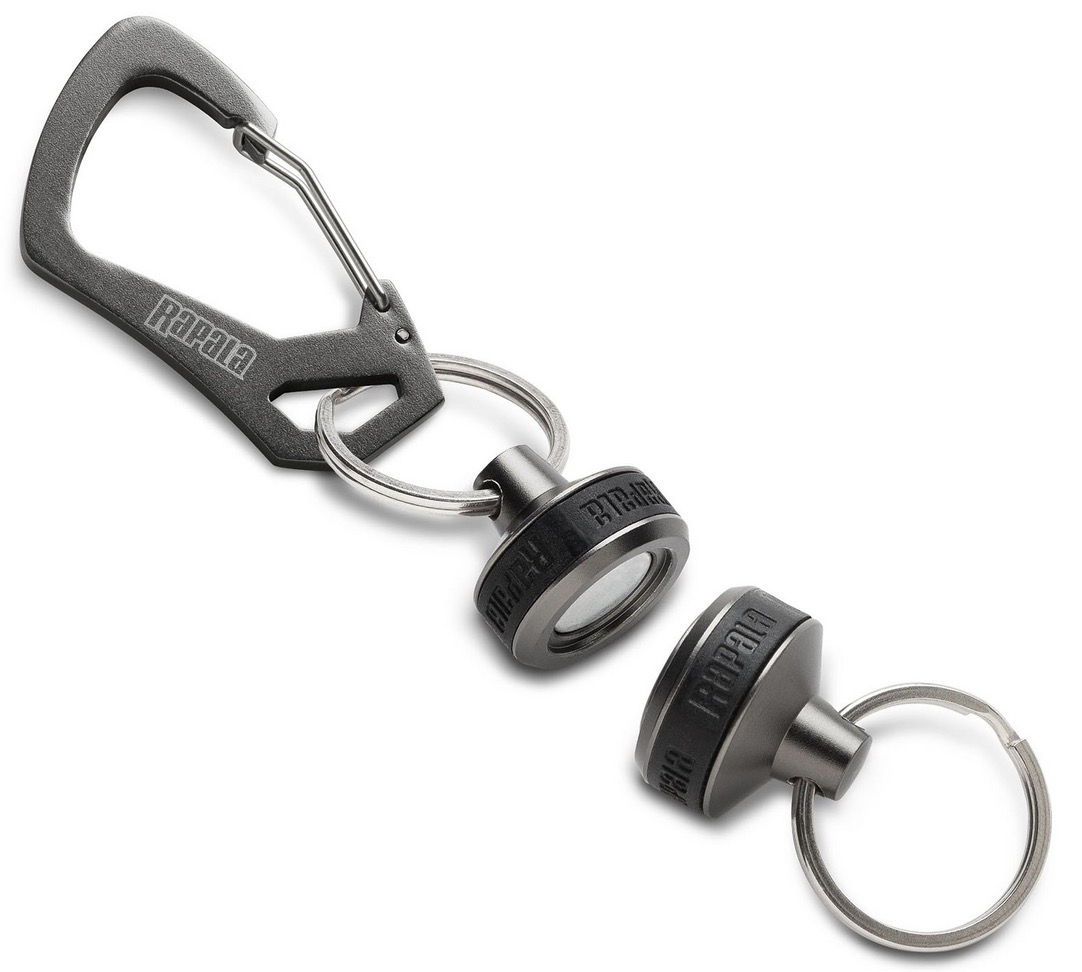
I’ve played with probably a half dozen different retractable lanyards now, and at one point or another either they fall off or the tool falls off. But this Rapala Magnetic Release Clip hasn’t failed me yet. SUPER handy:
|
|
|
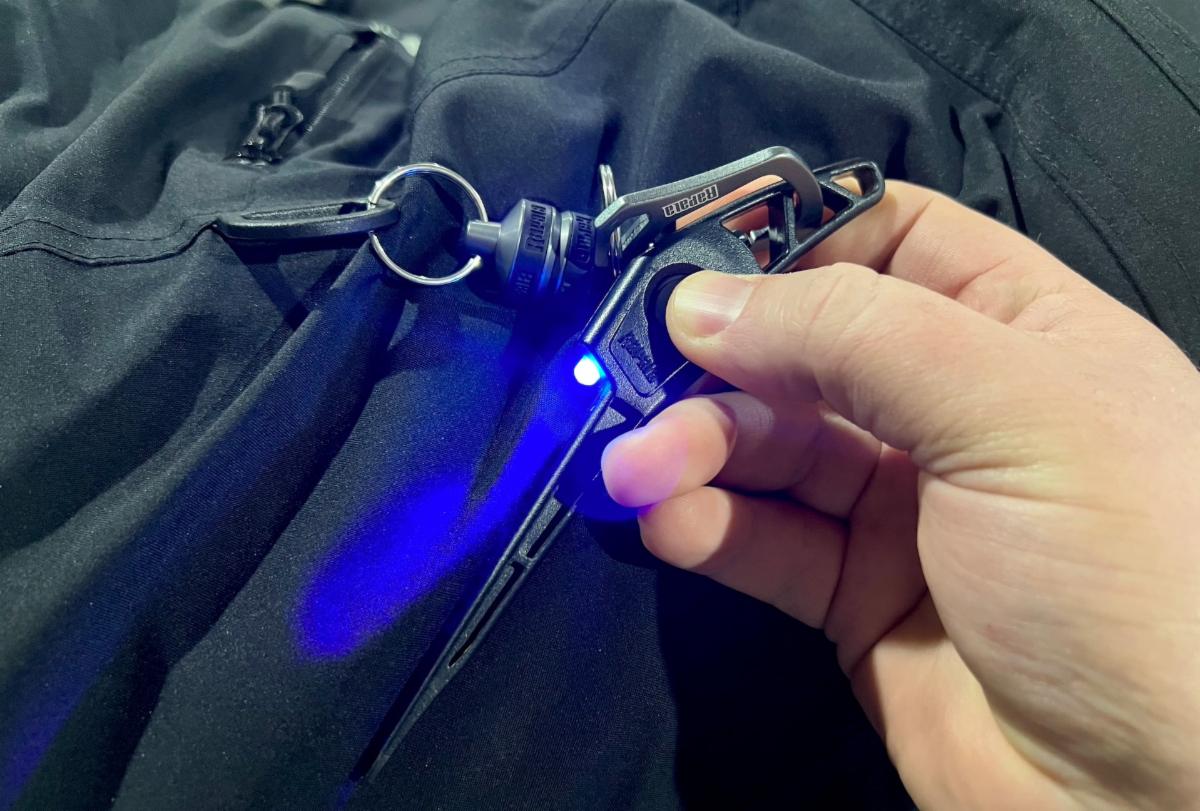
Has a VERY powerful magnet that lets you pop the tool off so you’re not bound by a short leash. I keep it on my ice-fishing bibs with a Glow Pick (for poking out hooks and lighting up baits):
|
|
|
So, what makes a leader a leader?
Of course it's possible to use any line as a leader, but what makes actual leader line different? Interesting nuggets from Seaguar’s gm Gerry Benedicto:
> ...specialized leader materials are designed to withstand shock in short pieces while maintaining strength and abrasion resistance. Longer lengths of fluorocarbon were developed as mainlines – to be spooled onto a reel to make casts which requires a softer feel for better manageability. ...unique formulations of different resins allow Seaguar to develop fluoro lines with characteristics that work well in short pieces....
> "In general, fluorocarbon lines, made for use as a leader, have a stiffer body and are less supple than mainline fluorocarbon lines. These characteristics translate into better overall knot strength and better sensitivity.”
> Line stretch is another difference. “Often, leader lines will have less stretch than a mainline fluorocarbon. Less stretch can be a big positive in that it enhances feel and quick reaction hooksets.” Leader lengths are shorter so there’s also less material which reduces line stretch.
> The general trade-off with leader lines that are stiffer with less stretch is more line memory. "There can be more coiling. This is why we use shorter lengths of leader material and a leader spool with a shallower arbor than our mainlines. More wraps will cause memory issues, even when taking it off a leader spool."
|
|
|
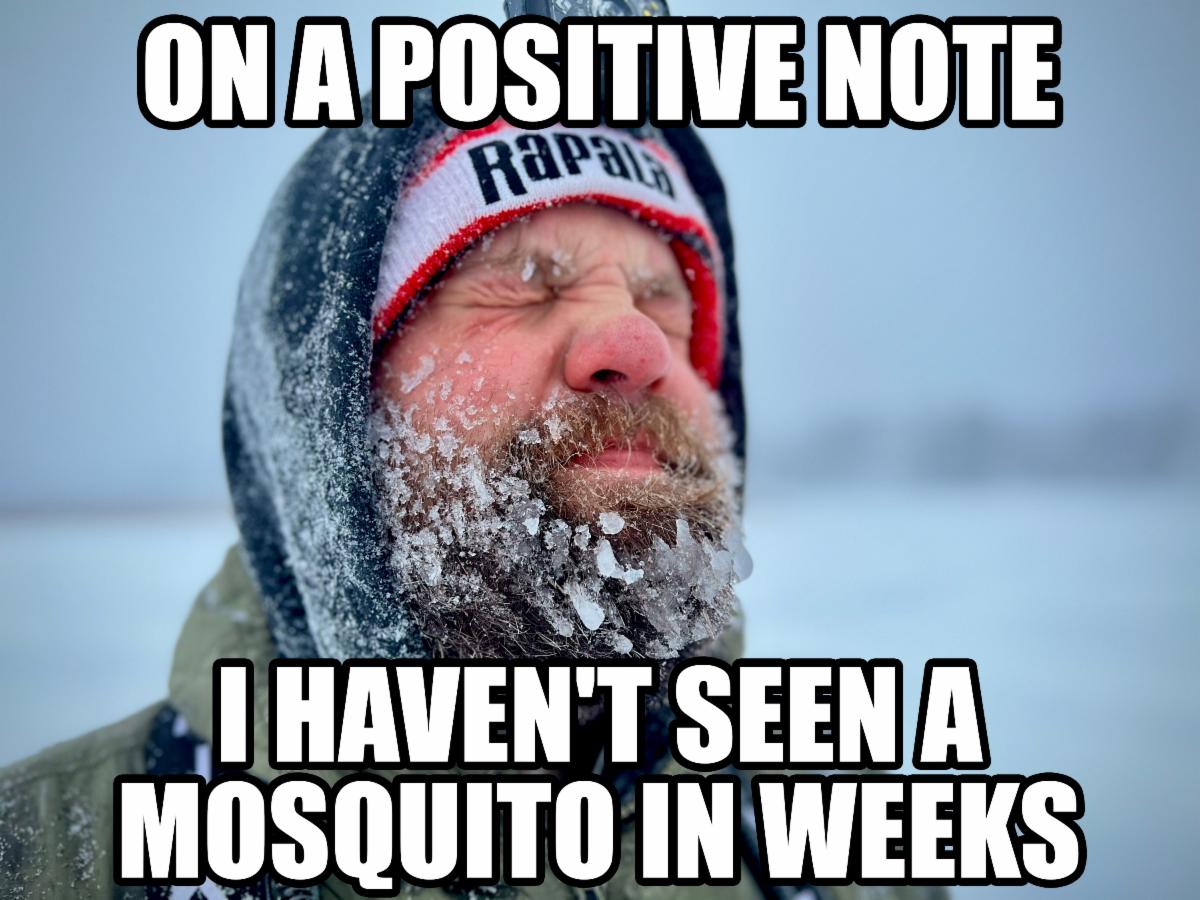
No doubt we've been making some serious ice lately! The temps (not even counting wind chill) will be hitting as low as -31°F ‘round here these next couple days – woof! 🥶 But...
|
|
|
LOL!
But seriously: Please be safe if you’re venturing out!
|
|
|
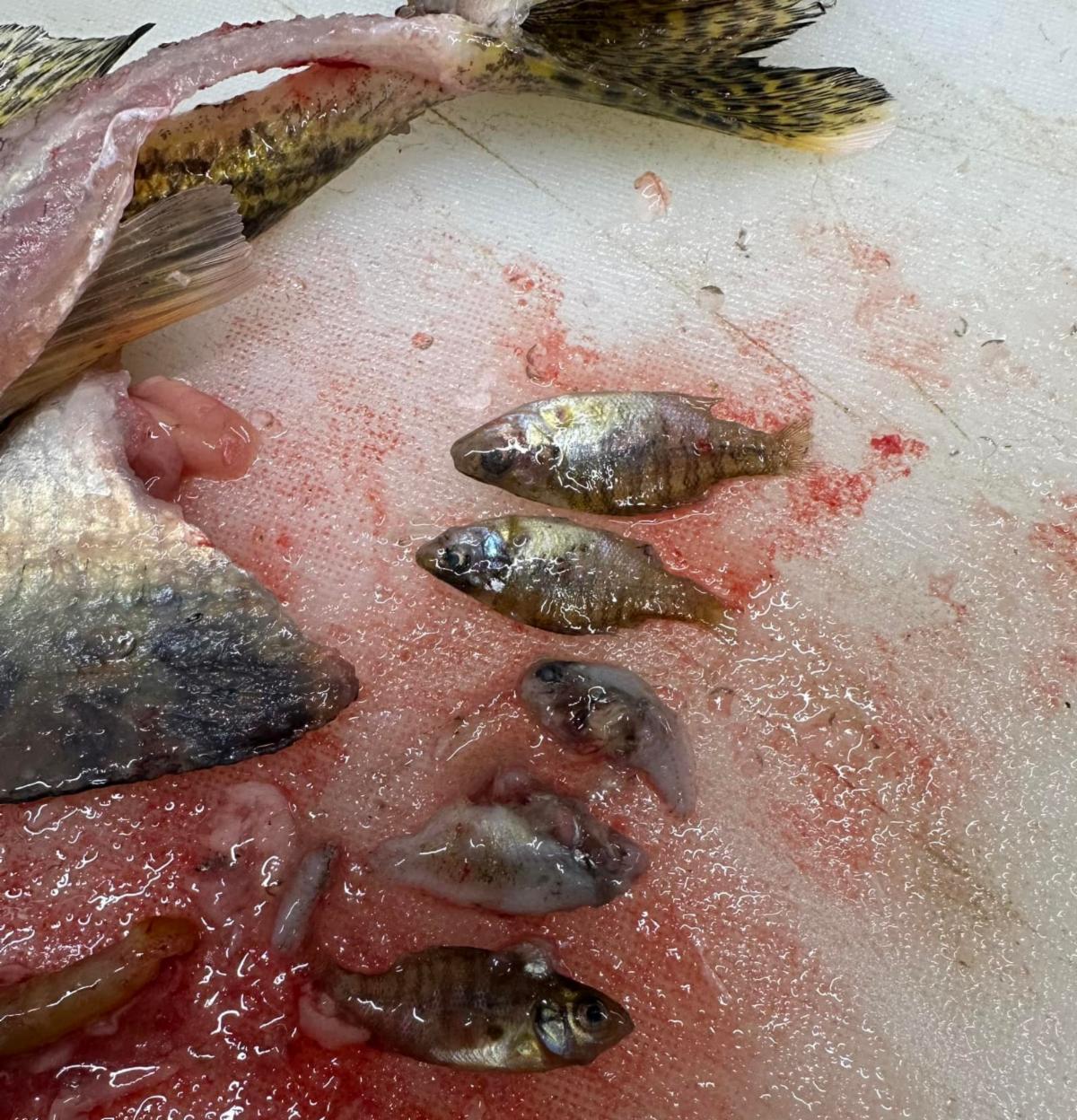
While you’re busy downsizing for midwinter walleye...you should maybe be doing the opposite. 👀 Check out this picture from Ross Grothe of a 16” walleye that apparently had 7 baby bluegill in its belly!
|
|
|
> Ross Grothe: “Panfish are available almost everywhere that walleyes live, and they’re often very abundant. Match the hatch!”
Some more proof that downsizing isn’t always the answer...even when things get mid-winter tough.
Even the smallest bluegill would likely dwarf most folks’ biggest presentations when ice fishing for walleye. So don’t be afraid to bust out that rattlebait and trick ‘em into eating!
Or at least play with one until you get turned down by a couple of fish, THEN switch to more finesse-y stuff. 👍
|
|
|
I’ve been running the Great Lakes Pro Insulated Jacket & Bibs from Whitewater Fishing the last couple of seasons and absolutely love ‘em! Spendy, yes...but high quality gear you'll actually enjoy wearing – for decades. It’s so incredibly comfortable, NOT restricting, and lightweight that I legit don’t understand how it can be so warm. I’ve rocked it in some seriously nasty (tho beautiful lol) conditions:
|
|
|
They say:
> Built with a durable 3-layer design, this jacket features a ripstop 4-way stretch nylon shell and a 100% nylon lining. It’s windproof and waterproof, thanks to 30k/13k lamination, taped seams, and a DWR treatment that sheds water effortlessly, ensuring you stay dry in the harshest conditions. The thermal-mapped Primaloft® Silver insulation provides targeted warmth without bulk, with 80g in the hood and collar, 133g in the front body, 170g in the back, and 100g in the sleeves, so you can fish comfortably and freely.
I say:
Not exactly sure what all that means, but I do know that they knocked it out of the park with this cold-weather get-up! 🙌 Try one on in person and you’ll know what I mean.
|
|
|
Sign up another fish-head!
If you're forwarding Target Walleye to a friend who loves to walleye fish or want your fishing buddies to get these emails, just send us their email addresses and we'll take care of it! (We won't sell the addresses, use them for spam, etc.)
|
|
|
FRIENDS OF TARGET WALLEYE
|
|
|
Target Walleye – walleye during open water and all species during hardwater – is brought to you by Al Lindner, Jay Kumar, Chris Philen, Brett McComas and other diehard fish-heads like you!
|
|
|
|
|
|
Brett McComas is the main man for Target Walleye He was discovered in Brainerd, MN after years of wondering how in the heck people break into the fishing biz. He's in it now, but still can't answer that question.... Brett is one of those guys who majored in marketing, only because there was no such thing as a "fishing degree" at the time.... Get him at brett@targetwalleye.com
|
|
|
|
|