|
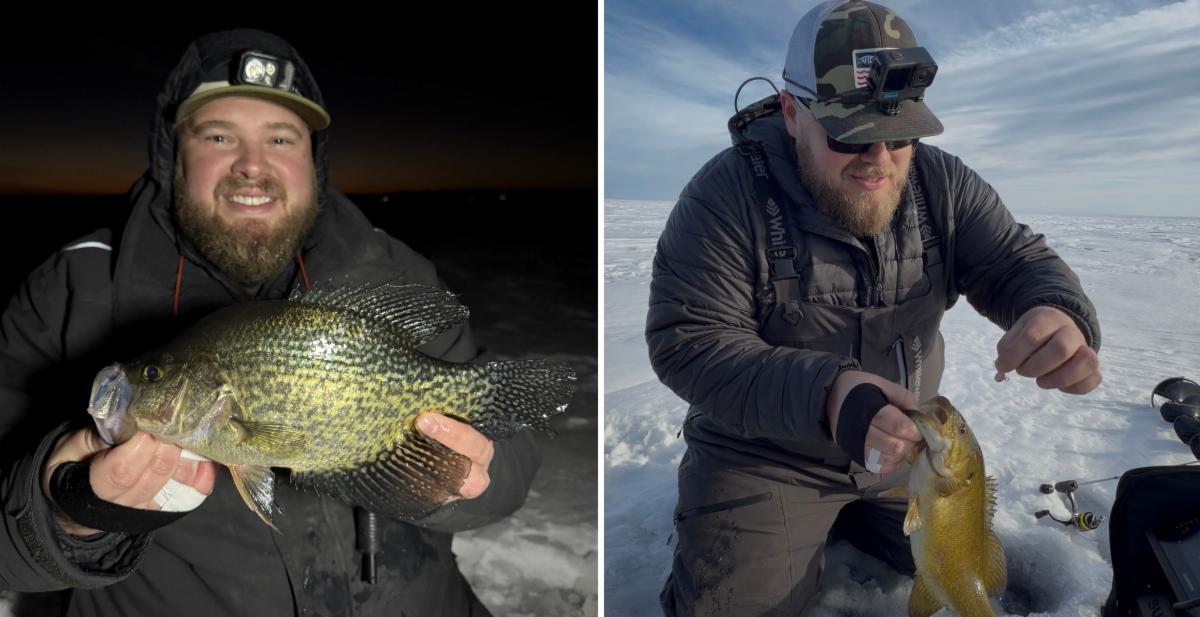
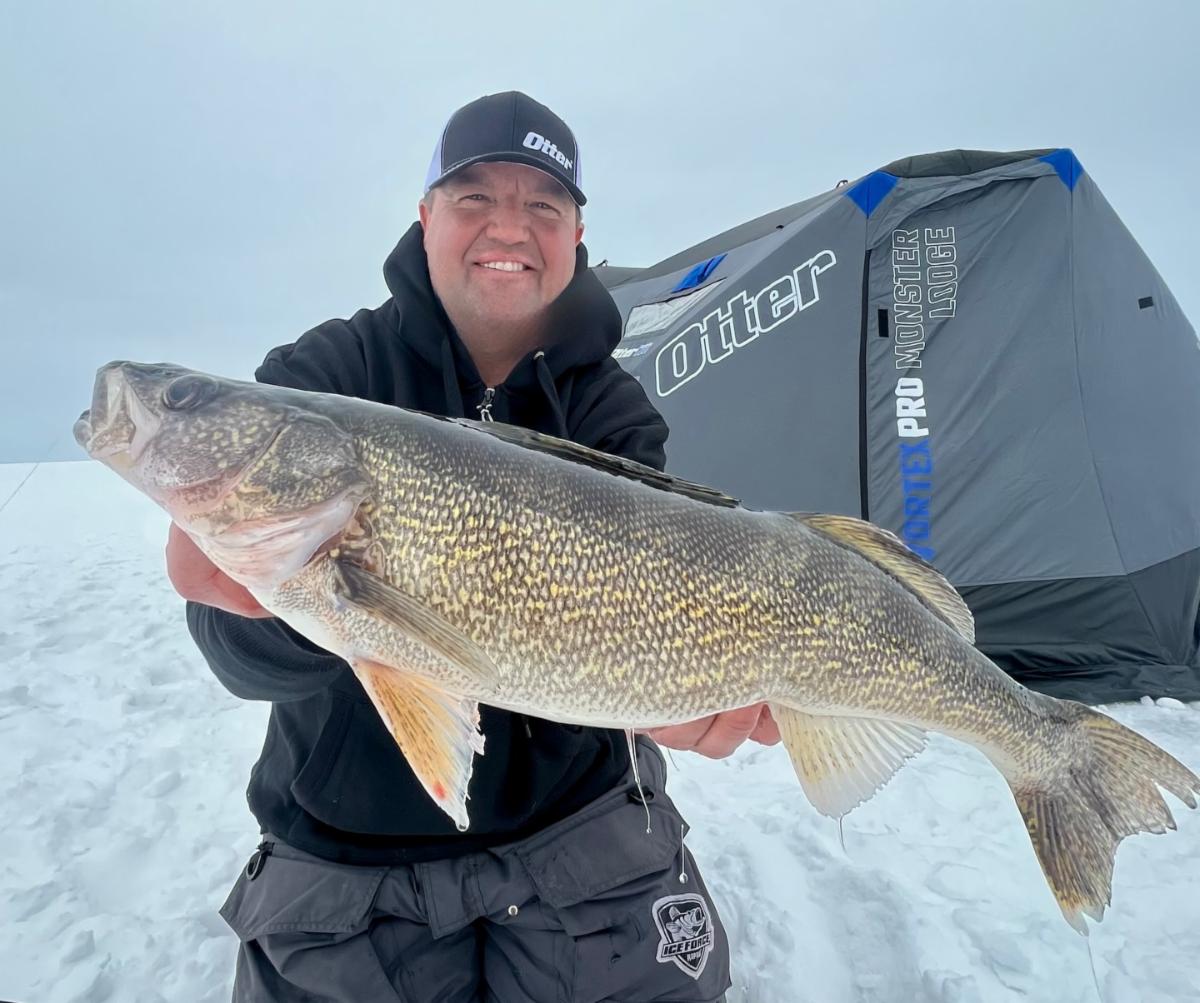
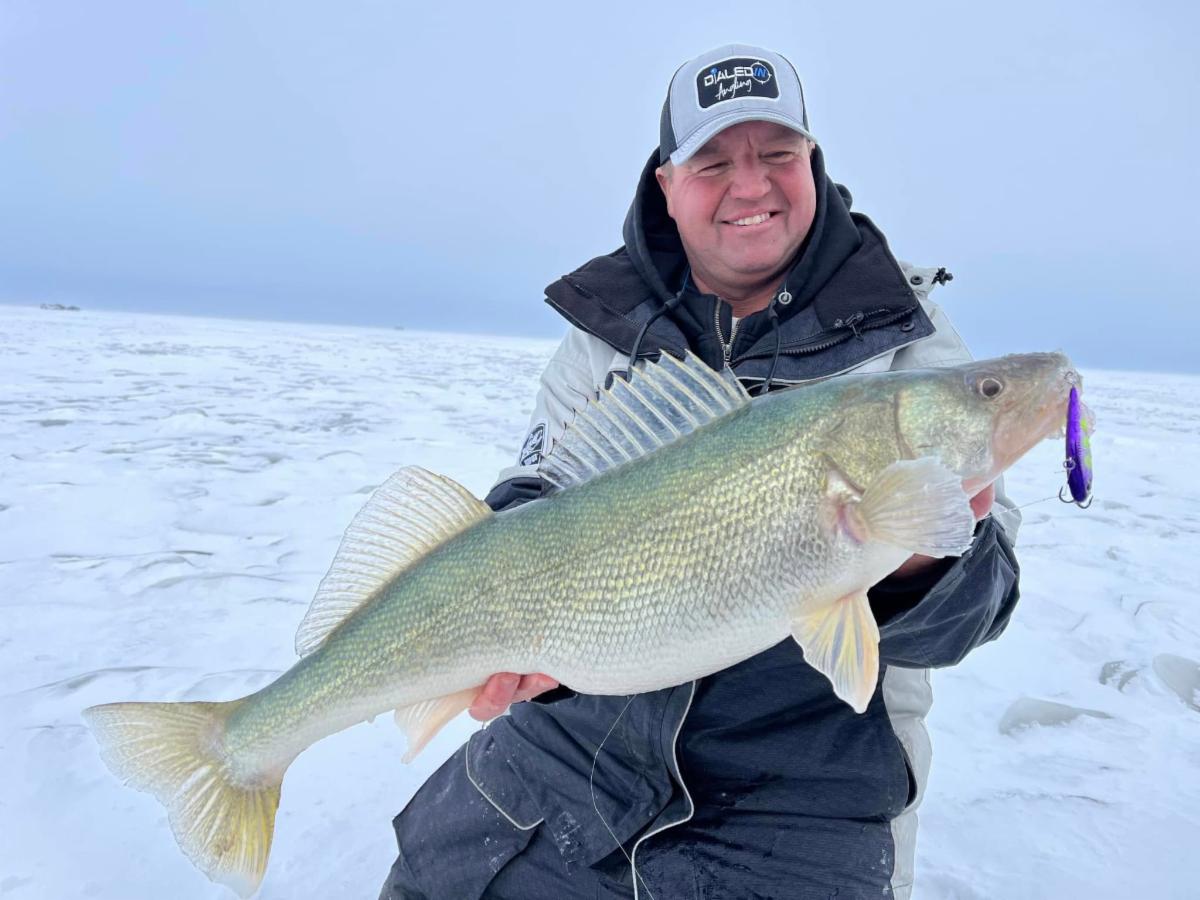
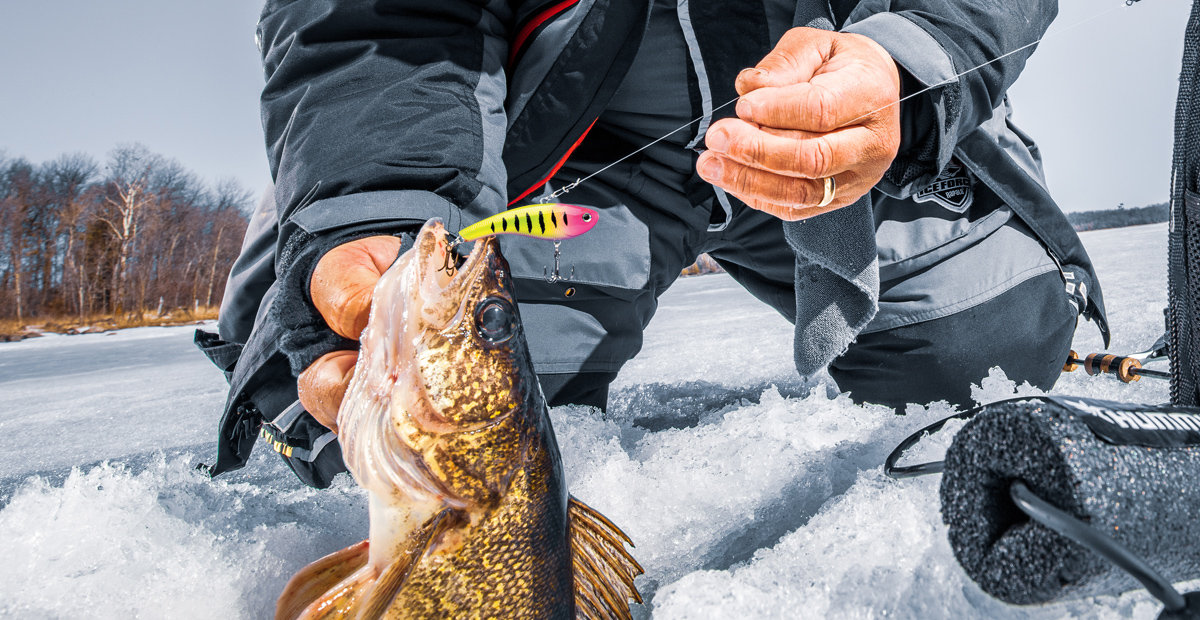
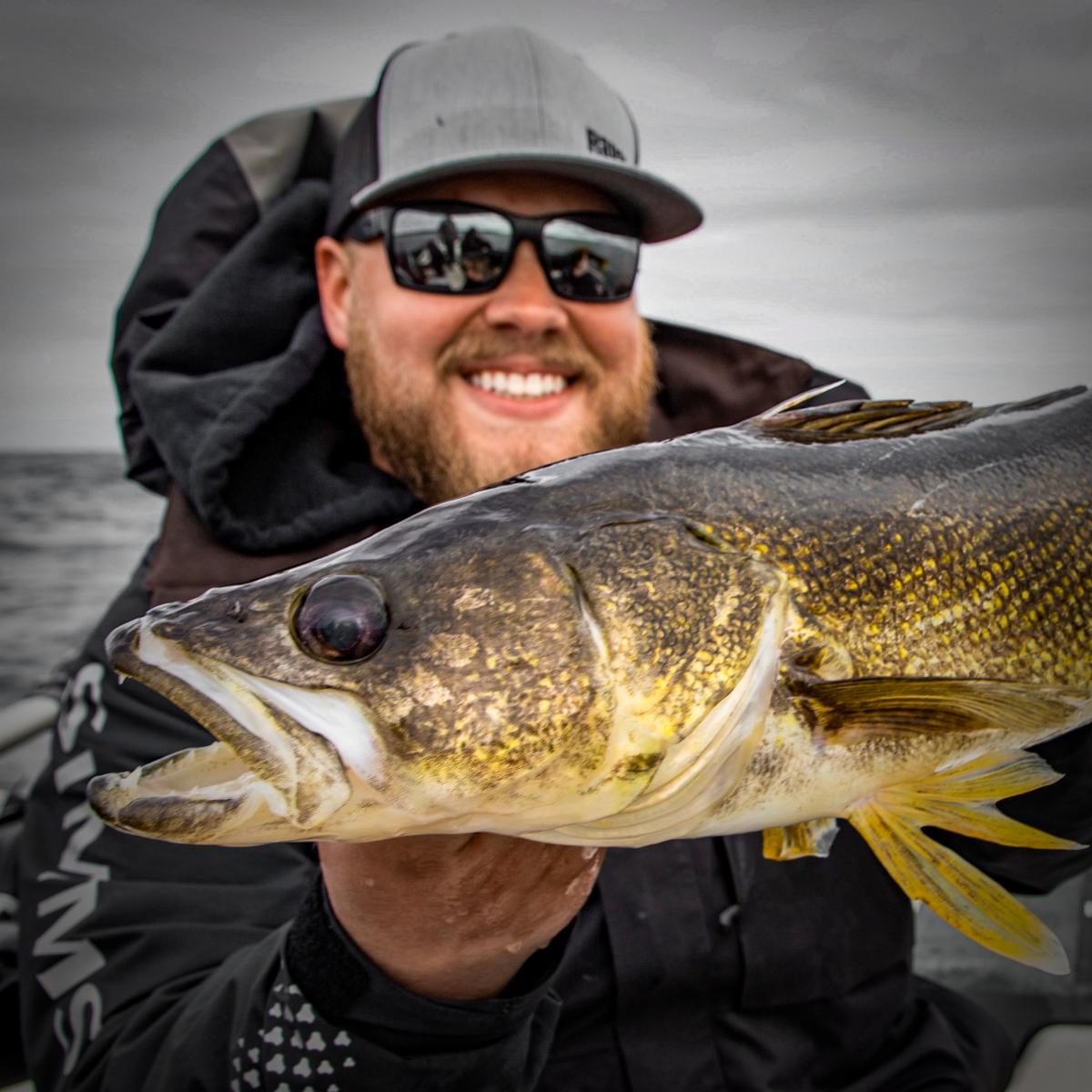
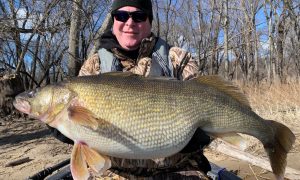
Been burning the candle at both ends 😮💨 which means we'll be kicking out a bunch of new on-the-water-ice videos soon-ish! Here's a couple of catches from the last 24 hours to hold you off:
|
|
Early-ice: How John Hoyer tracks down trophy 'gills 🥶
|
|
|
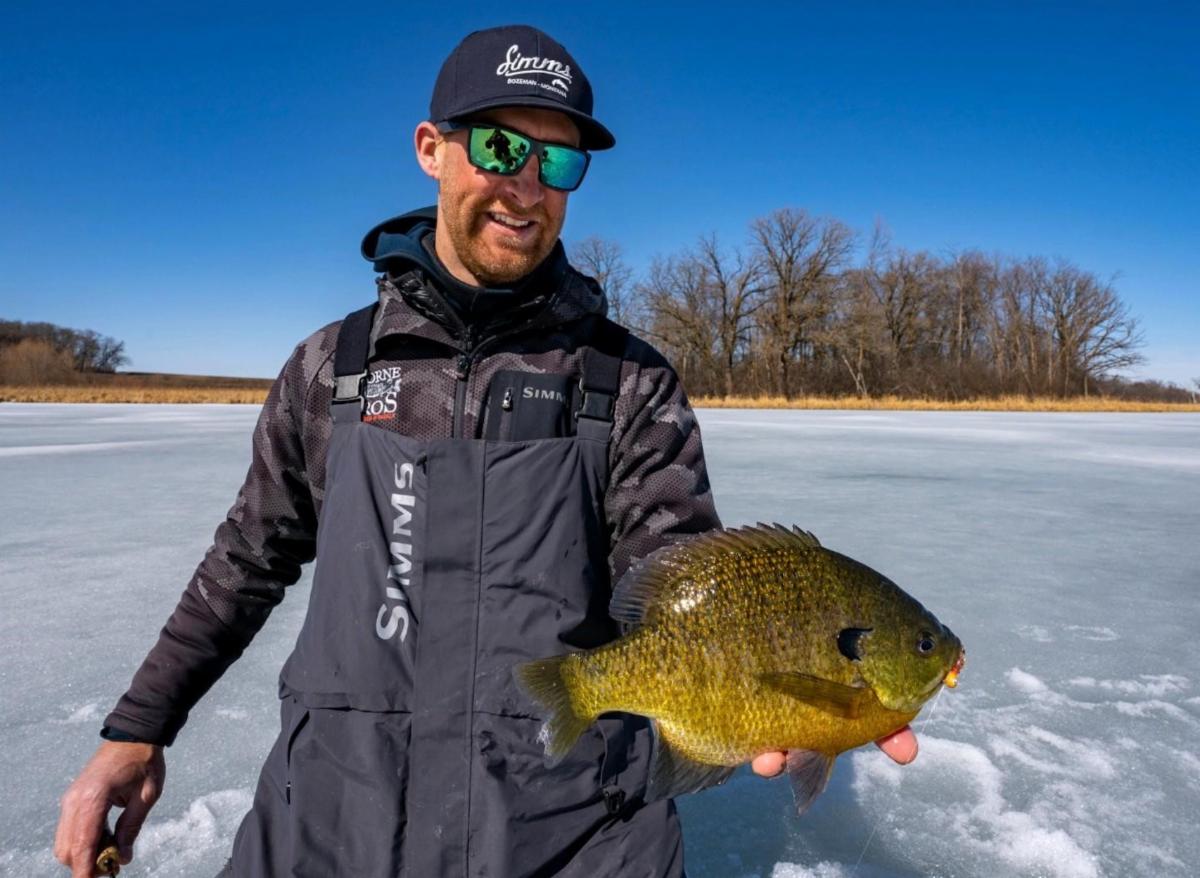
First ice might be your best opportunity of the year to catch truly huuuuge bluegills. Here’s how (and where!) big-fish junkie John Hoyer targets ’em when things lock up, and it’s likely not where you’d think....
|
|
|
Location
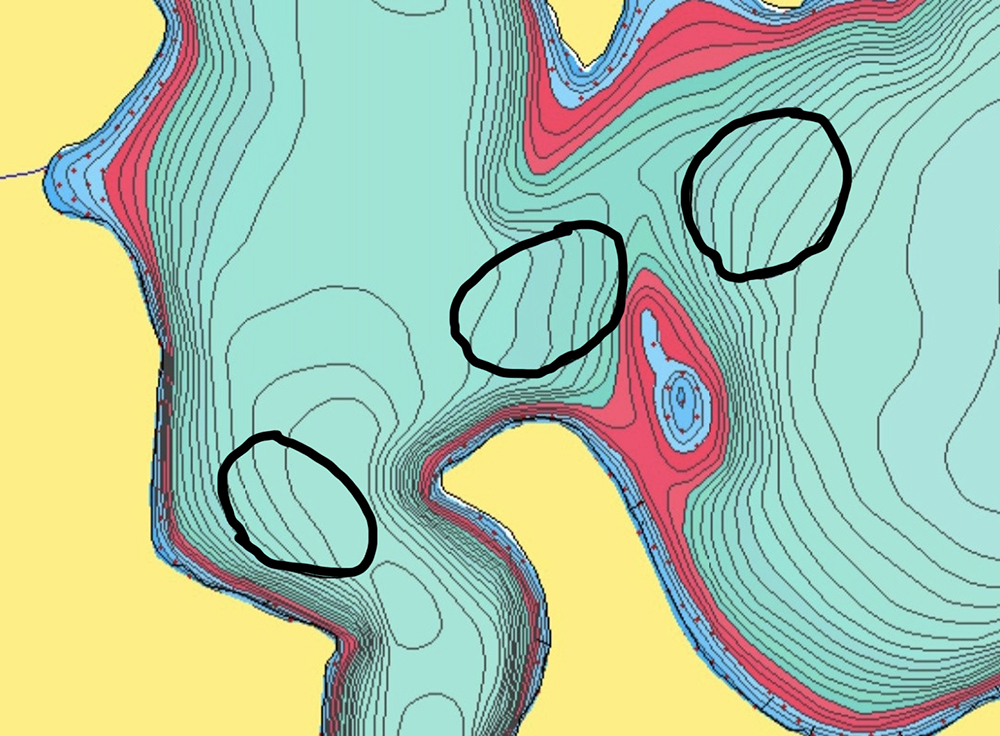
Most folks zip straight off to the weeds...while Hoyer runs with the bulls in 15-30′, focusing on soft-bottom basins that flatten out at the base of a saddle or shelf:
> Hoyer: “They’re out on deep flats that have bug life going on – especially the trophy-sized fish. They’re following the food and not really holding to structure.”
Starts drilling holes in deep water at the base of a drop-off and moves OUT from there:
|
|
|
Timing
Bluegills are picky when a lake first caps. Hoyer says, “they’re crabby” and “it takes a week-ish for them to adjust to it.” When fish start actively feeding again, time of day is crucial:
> “Big bluegills will shut off completely for long stretches – you have to hit the feeding windows, which are usually at first light and then dusk into nightfall.”
Says you can NOT rule out a lake for big ‘gills until you’ve spent time trying to locate fish at lowlight dusk. He’s also a big believer in overcast days with a falling barometer = fish are more likely to feed all day:
> “That’s when we’ll make a long run to a known trophy lake. Other than that, it’s basically the 2 feeding windows.”
Tackle
Any light rod combo will work, the key is a bite indicator like a spring bobber or noodle rod:
> “You have to be able to see the bite, because 90% of the time, you won’t feel it with gloves on.”
Hoyer fishes 3-lb Berkley Trilene Micro Ice Mono, switching to Trilene 100% Fluorocarbon Ice (which sinks) in deeper water to boost the bait’s drop rate. And here’s why he says 3-lb is the deal:
> “4-lb is too thick, and 2-lb will lead to heartbreak on a hookset, guaranteed.”
Lure selection isn’t as meticulous as it can get later in the season:
> “I usually go with a 1/16-oz tungsten jig or a 1/16-oz spoon. I’ll tip it with a red Berkley PowerBait Whipworm or Mayfly, and I’ll always have a bait puck of Euro larvae on hand, too. The key is getting it down in front of their face fast when the bite is on.”
Leans towards dark colors for bluegill, including red, black and motor oil.
|
|
|
Tactics
Hungry bluegills often suspend low in the water column:
> “You’ll see them 2-5′ off the bottom. Sometimes, you can watch them compete for your lure on the flasher – that’s when you can really wail on them.”
Once he marks a fish, he moves his bait 12-18” upward while quickening his jig cadence to mimic fleeing prey:
> “Then you let them catch up to it and eat it.”
Using a flasher also helps visualize the way bluegills feed using lateral line vibration:
> “A 1/16-oz lure will be a thick red mark, like a fish. If I’m getting denied, the first thing I’ll do is downsize jigs. The smaller jig shows up as a thinner, green line, and that lighter frequency is the same thing that happens on a bluegill’s face. When the bite is tough, less is more.”
And if you’re lucky, you might just hit a dusk plankton bloom on some lakes, and then:
> “It’s go-time. It gets so thick you can’t even mark your jig, but that’s their food source. If you hit one of those hatches, the bite is usually good as late as you want to stay.”
Thx for the info, John! 👊 We'll try to apply it on-ice here soon:
|
|
Tony Roach: Which “Raps” to fish when 🎯
|
|
|
Rapala’s got a killer arsenal of hardbaits made for calling walleye in. All pull fish through the ice, but knowing which one to tie on when will for sure help you to catch more (and bigger!) fish.
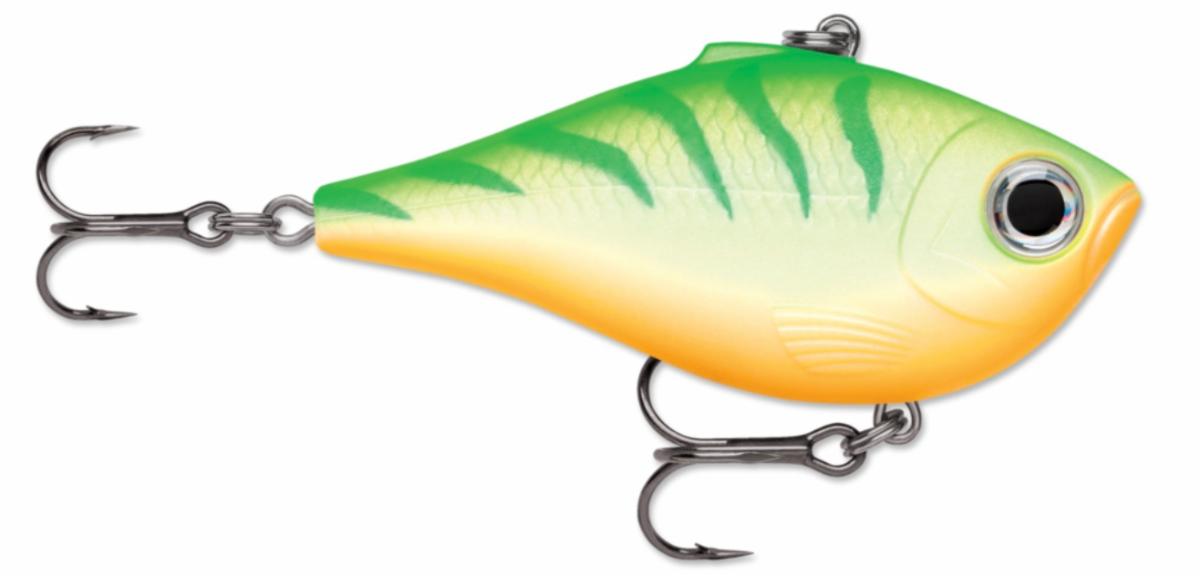
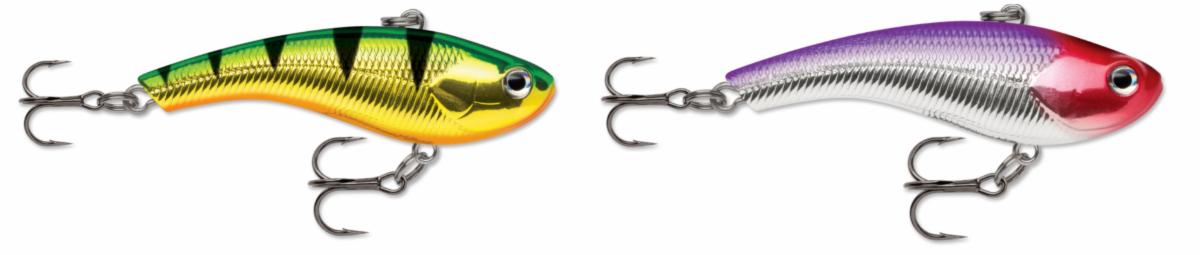
Tony Roach’s general rule-of-thumb is Jigging Raps for early ice, Rippin’ Raps in mid-winter, and Slab Raps later in the season:
|
|
|
> Tony: “Early ice in particular, you get a fair amount of young-of-the-year die-off, so those fish will really be keying in on Jigging Raps...they fall with an erratic swimming motion that matches the struggle of those minnows.
> “It’s a fantastic bait for early-ice, but also when fish are really aggressive throughout the season in the daytime hours...I’ll go to more natural colors: blue chrome, silver and perch. In stained water I will use UV colors."
|
|
|
> “Even when you drop it on a slack line, it’s going to kind of pendulum out, swimming outside your sonar cone and darting back...gives you a wider jigging action than any other bait out there...a cat-and-mouse kind of feel.”
> “Rippin’ Raps often draw more bites at dawn and dusk, or in really stained water. They’ve got a rattle that can help those fish hone in on your bait, and this is when your UV colors are key – it’s like a beacon in the night.”
|
|
|
> “Later in the winter...when they’re really not willing to go outside their strike zone to hit something, that’s where I like to fish more up-and-down presentations like the Rippin’ Rap.
> “The Rippin’ Rap bite really heats up when we’re fishing a little deeper and the fish are somewhat suspended...I’ll fish it a lot higher in the water column than I would a Jigging Rap.”
|
|
|
> “When they’re really keying on Rippin’ Raps or Jigging Raps, but just won’t fully commit, a Slab Rap is a great alternative. It has a real slow, subtle fall, yet it still has enough action to draw fish in.
> “I really like the profile on the Slab Rap for later in the winter, for walleyes and perch in particular. It looks exactly like the young-of-the year prey they’re feeding on."
|
|
|
> “You can add really subtle movements without a lot of action, because of the weight…so it’s great for panfish and finicky walleyes when the bite’s a little tougher. It was really eye-opening last winter how many fish I caught on that thing.”
|
|
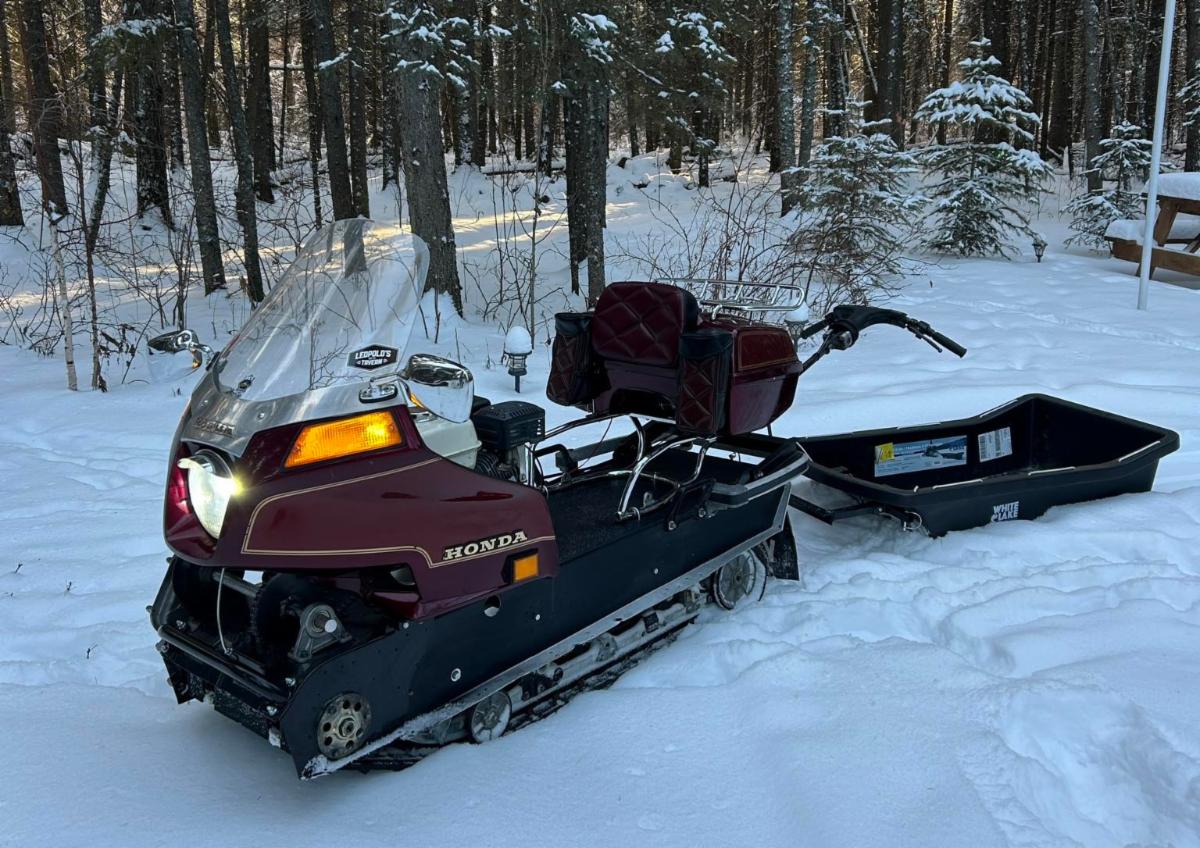
Check out this unique ice ride! 🤯
|
|
|
One of the toughest things about ice fishing is just getting you and all your gear to the spot (thx to slush, deep snow, sketchy ice, you name it). Here’s an off-the-wall mobile that gets it done in style.
It's called the “Cold Wing” and was created by Jody Materi of Saskatoon, Saskatchewan, dontcha know.
|
|
|
1. MN: DNR considering lowering state walleye possession limit
> ...could reduce the state walleye possession limit from 6 to 4 in an effort to maintain a higher population, thereby providing a better fishing experience for all anglers, according to the DNR.
> The MN DNR issued a news release encouraging the public to provide input before any limitations are altered. Should a change be made, it wouldn't take effect until May 2027. According to the release, the department conducted a survey where 48% of the respondents supported the change, while 23% were opposed.
2. OH: Lake Erie walleye hatch 6th largest in 38 yrs
> The 2025 western basin walleye hatch index, which includes trawl sites in Ohio and Ontario waters, was 128 fish per hectare (a standard measure of catch per area). A hectare is equal to approximately 2.5 acres. ...well above the average of 57 fish per hectare.
> Walleye from the strong 2025 hatches should reach catchable size, surpassing the 15-inch minimum length requirement, as early as spring 2027. Walleye fishing is expected to remain fantastic for many years.
> Above-average hatches have occurred in 8 of the past 11 yrs.
3. Scientific proof that ice fishing is traumatic
Especially if you're a 39-yr-old male. 😅
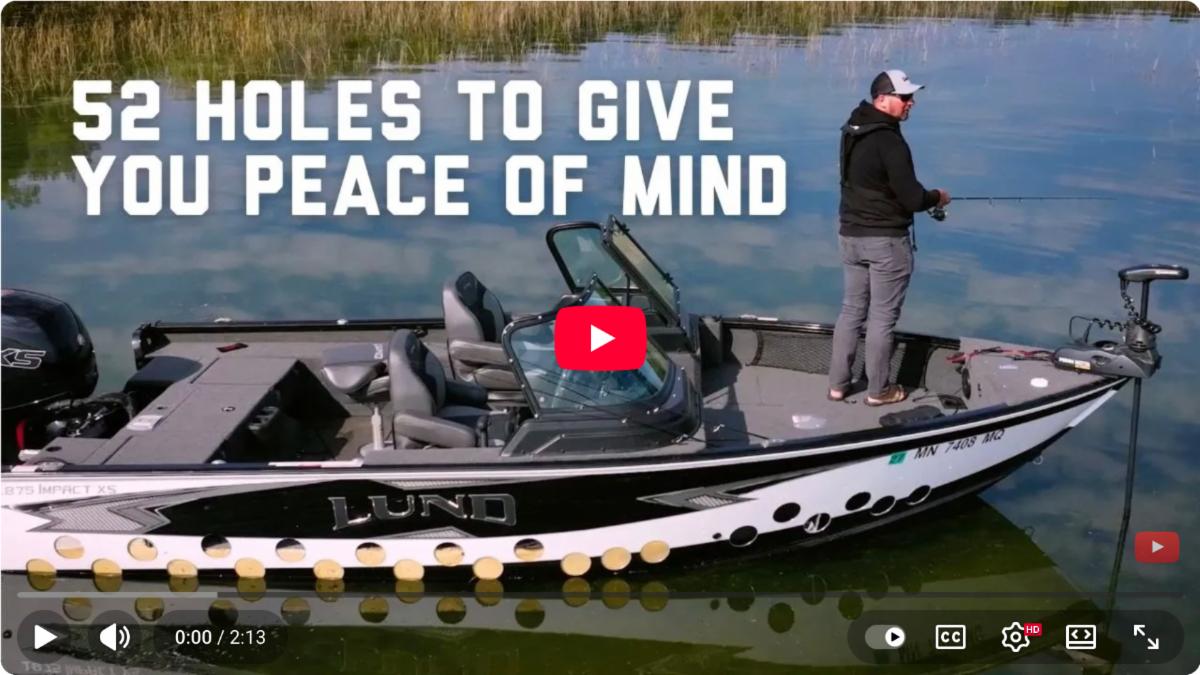
4. Lund made swiss cheese outta this boat
> We’re so confident in Lund’s quality and safety that we put it to the test by drilling 52 holes into our Impact XS. Lund boats aren’t just built to perform; they’re built to keep you safe in nearly any situation.
> Every model is engineered with flotation that goes above and beyond the standards set by the U.S. Coast Guard and Transport Canada. We don’t just meet expectations; we exceed them.
See for yourself:
|
|
|
How fluoro fishes compared to mono and braid
First off: There’s no one specific line type that’s ideal for all situations.
That said…here’s why you should have a rod or two rigged up with fluorocarbon and how it stacks up against the other lines.
How it compares to mono
> Fluoro is going to be more ‘invisible’ than mono, making it the ultimate line in ultra-clear water or on heavily-pressured fish in community holes. You’ll really notice the difference when sight-fishing for finicky panfish in shallow water. Fewer fish hesitate to bite – try it side by side with a buddy who’s not using fluoro.
> It also has less stretch than mono, which is going to make it much more sensitive and help to feel those light bites. Less stretch means more solid hooksets, to really drive those hooks home into the tough upper snout of a walleye.
How it compares to braid
> There’s no better option for outside hole-hopping than fluoro. Braided lines will hold moisture, which can freeze up in really cold temps – especially when fishing outside the shack. Won’t have that problem with fluoro.
> Fluoro does offer a little more stretch than braided line, but that will help keep fish pinned. That slight stretch acts as a shock absorber to the fish’s thrashing head. At the end of the day you’ll have less torn-out hooks and put more fish topside.
The downside
> Fluoro’s needs to be replaced more often than braid or mono. Braided line may last you an entire season or two, whereas fluoro is going to have more memory and will get ‘the coils’ quicker on the tiny spools of micro ice reels.
> Make it more affordable by filling the spool with cheap ‘backing’ or old line, then put on just enough fluoro (say 50′ or 60′) to be able to fish for the day. When the line begins to coil, pull it off and throw on fresh stuff. That way a small spool can last you up to a half dozen trips instead of just one.
Few things to consider
One thing to consider is how running fluoro can affect the action of your bait. Some fluoro actually sinks 4x more quickly than mono. Its sink-rate helps “tighten up” the line when using lighter, non-tungsten panfish jigs.
A quicker drop could also be considered an advantage: This allow you to get your bait back down quickly when on a hot school – or to intercept that mark that showed up out of nowhere on your flasher – especially in deeper water.
Downfall? Some spoons might not get the same fluttery look on the drop – though you may hardly notice the difference with the lower lb-test and lightweight spoons that are most common for ice fishing….
|
|
|
Anyone who’s currently fishing on safe ice + catching + posting on social media =
|
|
|
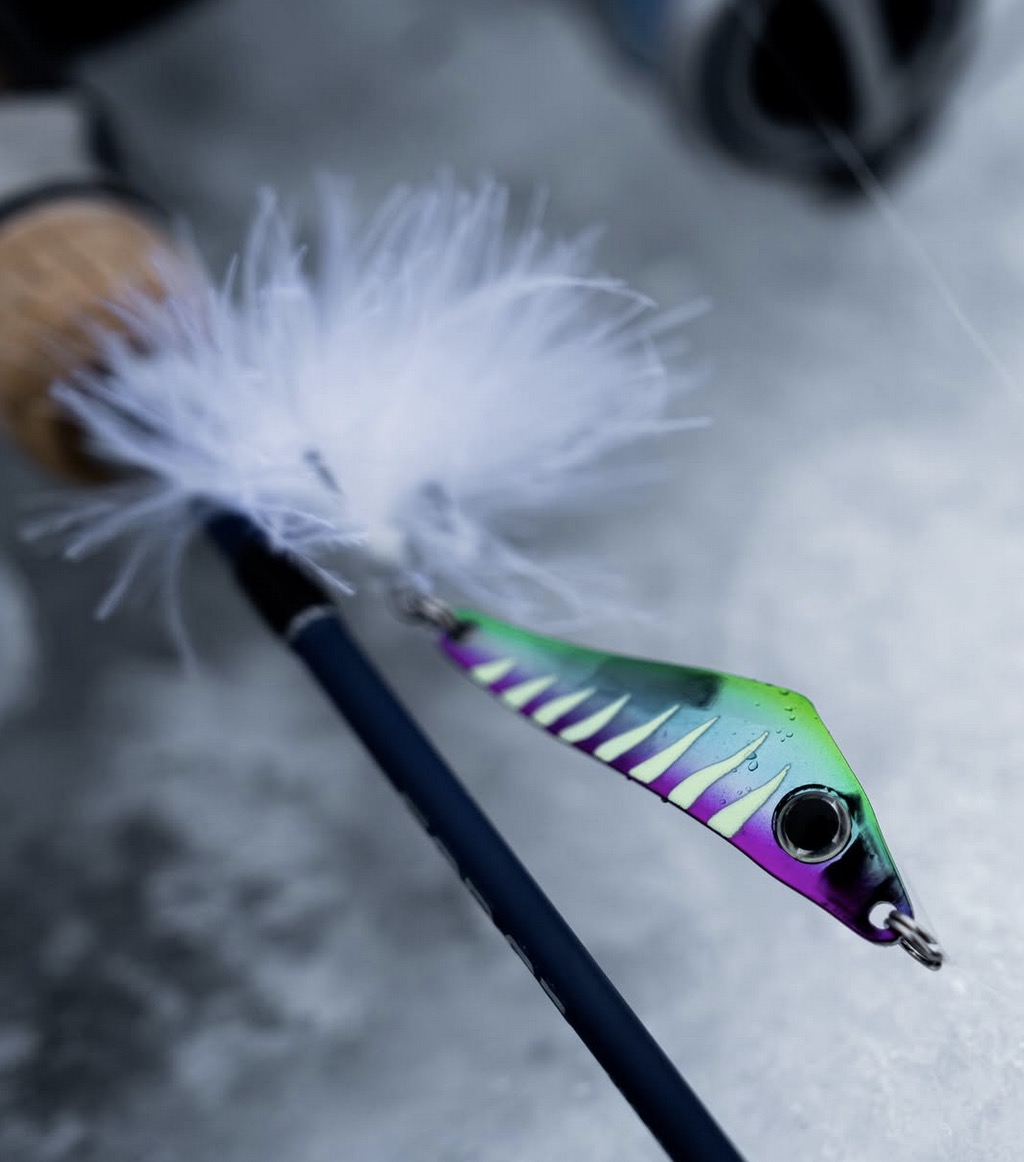
I’ve really been digging the VMC Hatchet Spoon when chasing finicky, clear-water walleye. It has an awesome fluttery action and the marabou comes to life underwater. Of course she looks good while doing it. 🥵
|
|
|
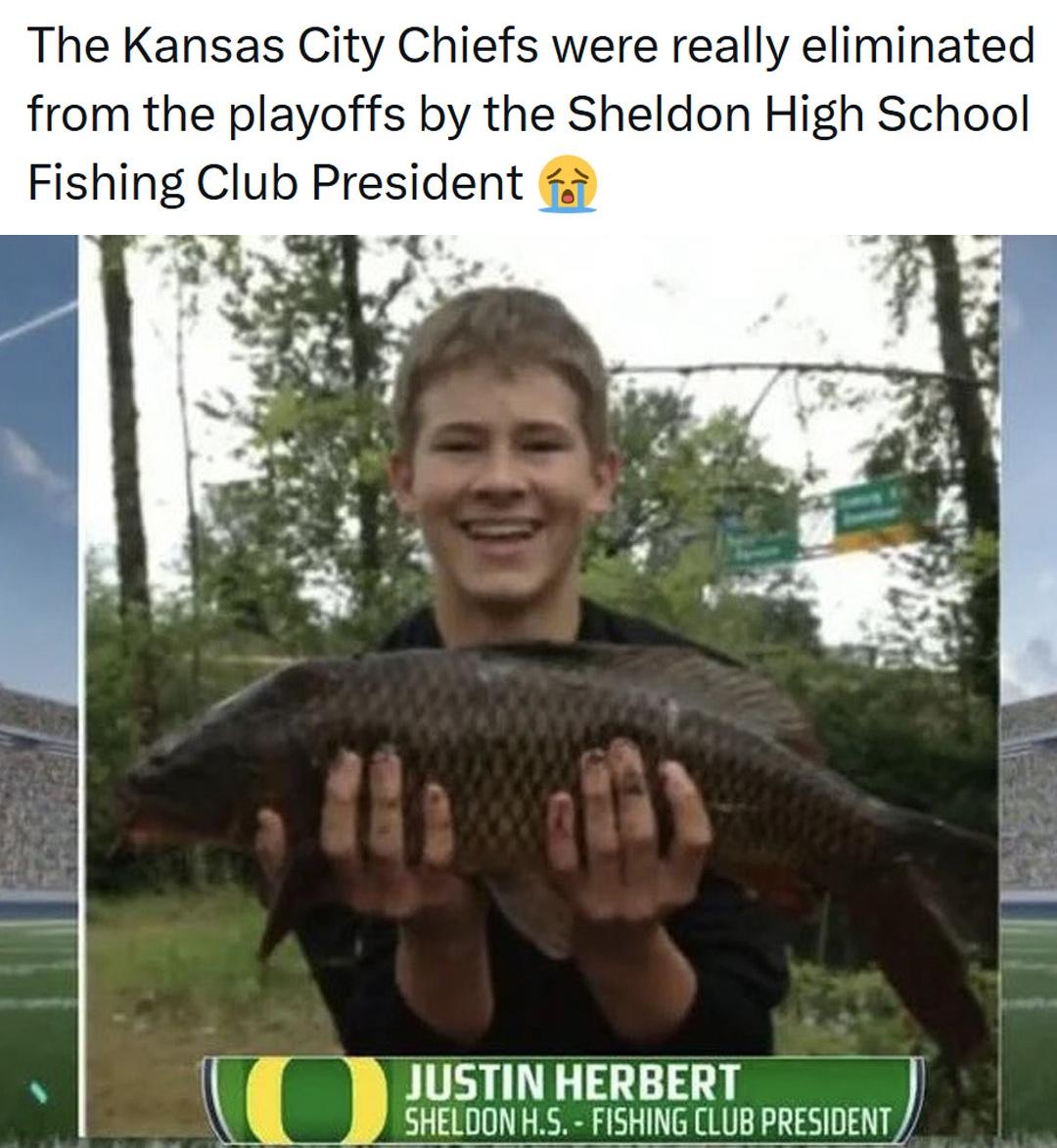
I've never seen Los Angeles Chargers QB Justin Herbert smile THIS big after throwing a touchdown.... 😏
|
|
|
Sign up another fish-head!
If you're forwarding Target Walleye to a friend who loves to walleye fish or want your fishing buddies to get these emails, just send us their email addresses and we'll take care of it! (We won't sell the addresses, use them for spam, etc.)
|
|
|
FRIENDS OF TARGET WALLEYE
|
|
|
Target Walleye – walleye during open water and all species during hardwater – is brought to you by Al Lindner, Jay Kumar, Chris Philen, Brett McComas and other diehard fish-heads like you!
|
|
|
|
|
|
Brett McComas is the main man for Target Walleye He was discovered in Brainerd, MN after years of wondering how in the heck people break into the fishing biz. He's in it now, but still can't answer that question.... Brett is one of those guys who majored in marketing, only because there was no such thing as a "fishing degree" at the time.... Get him at brett@targetwalleye.com
|
|
|
|
|