|
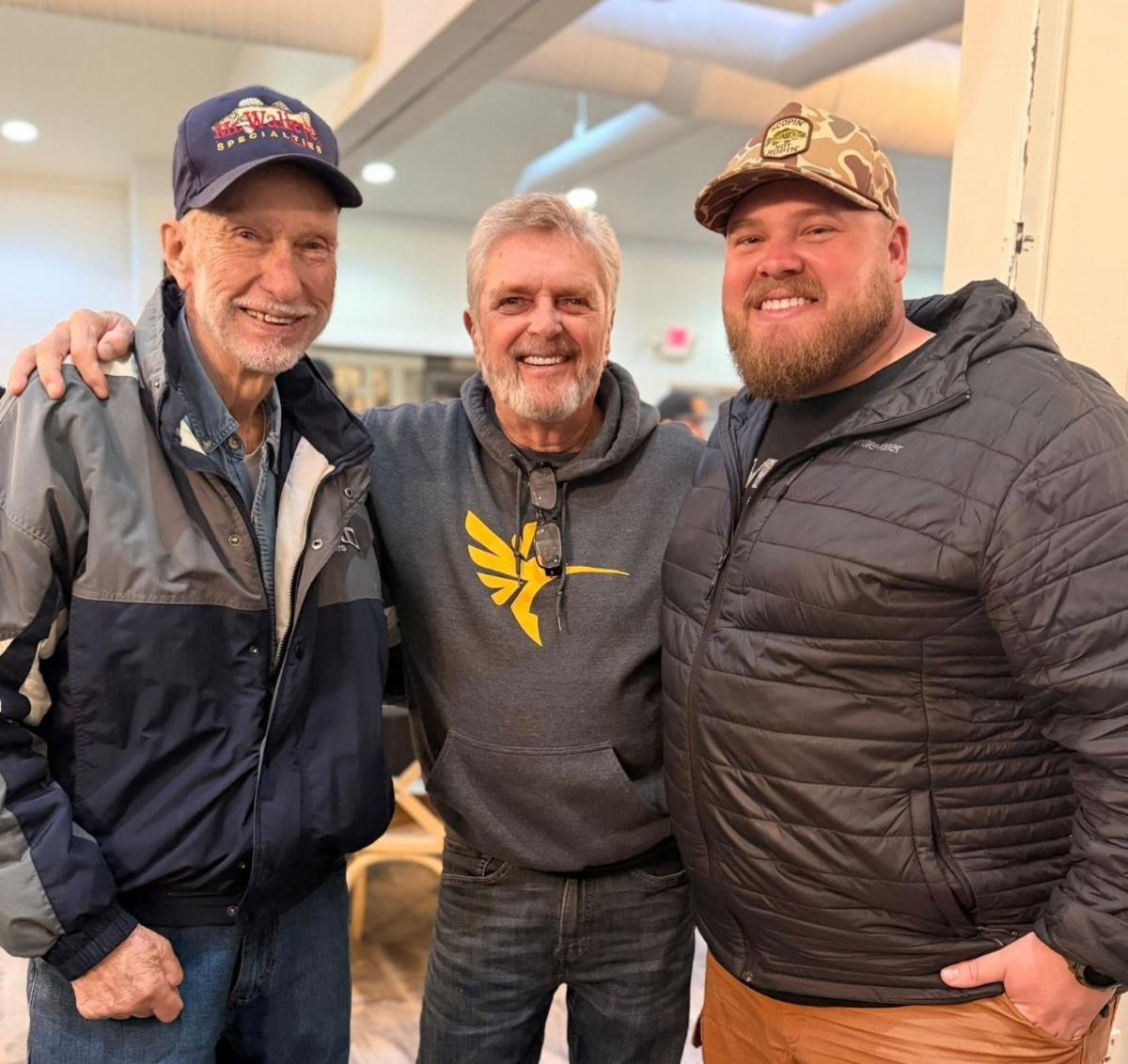
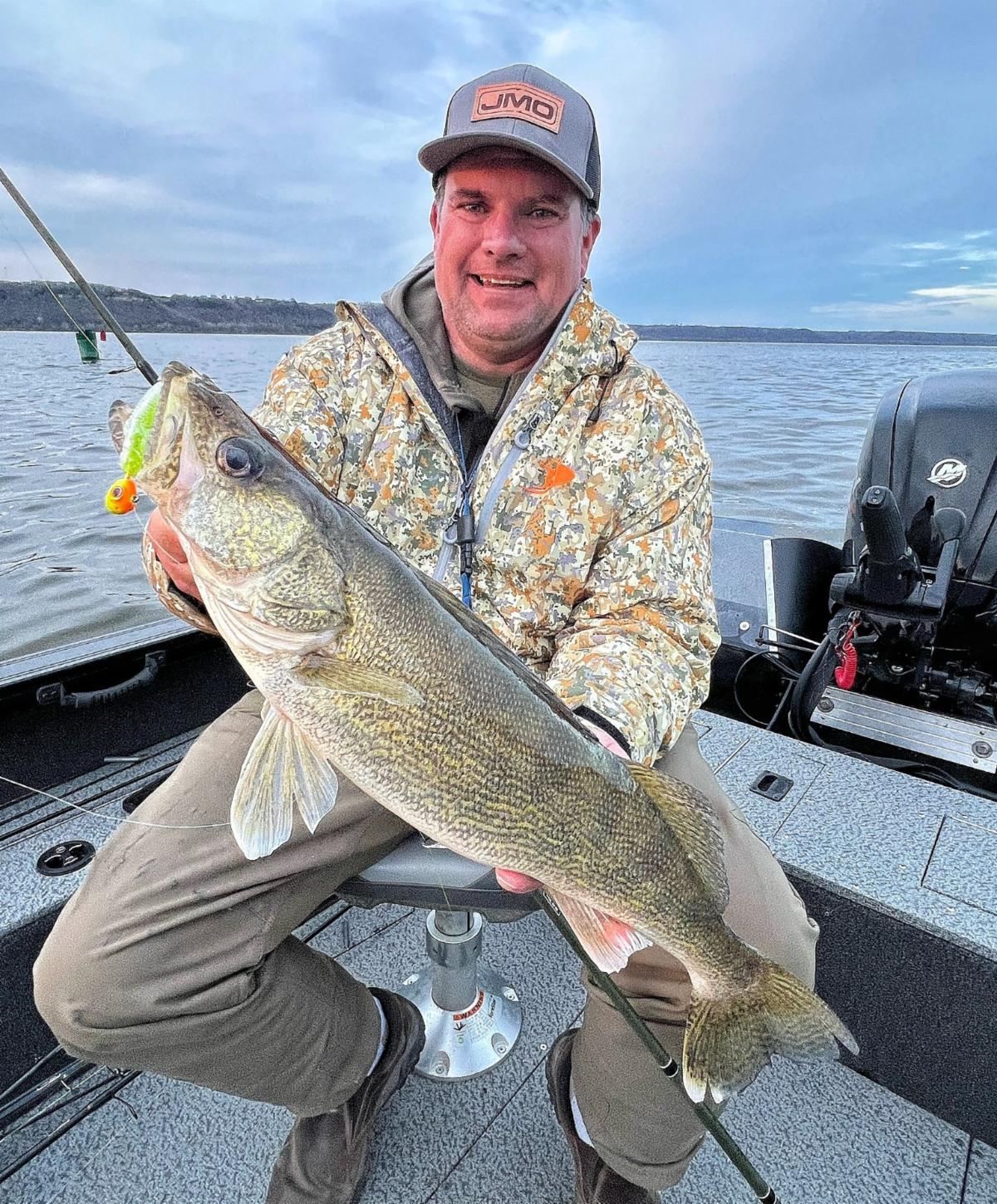
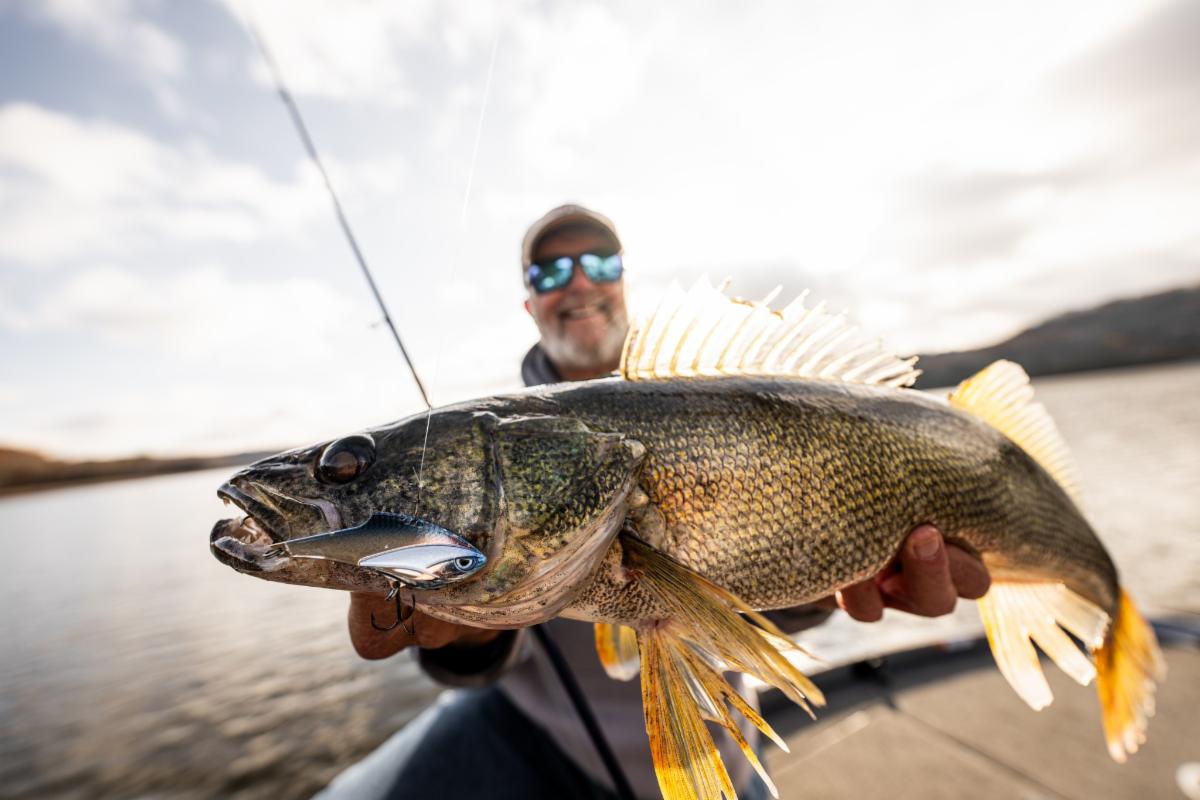
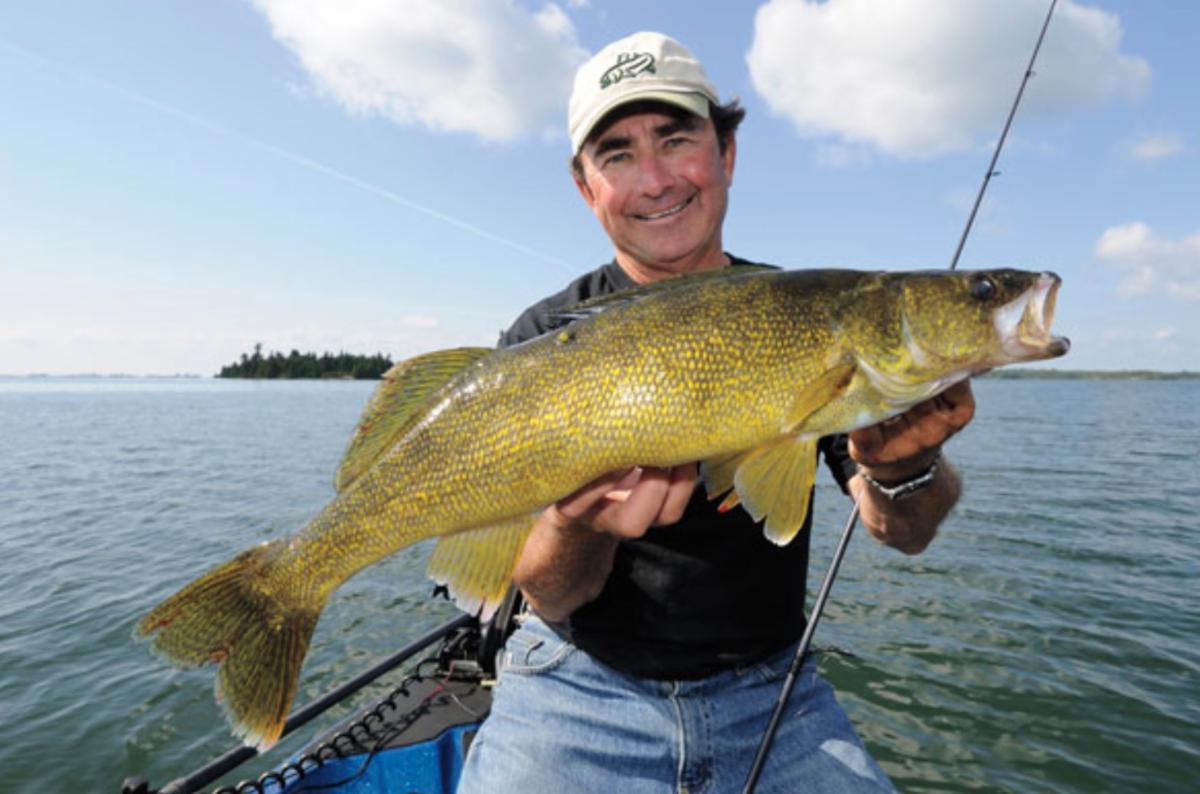
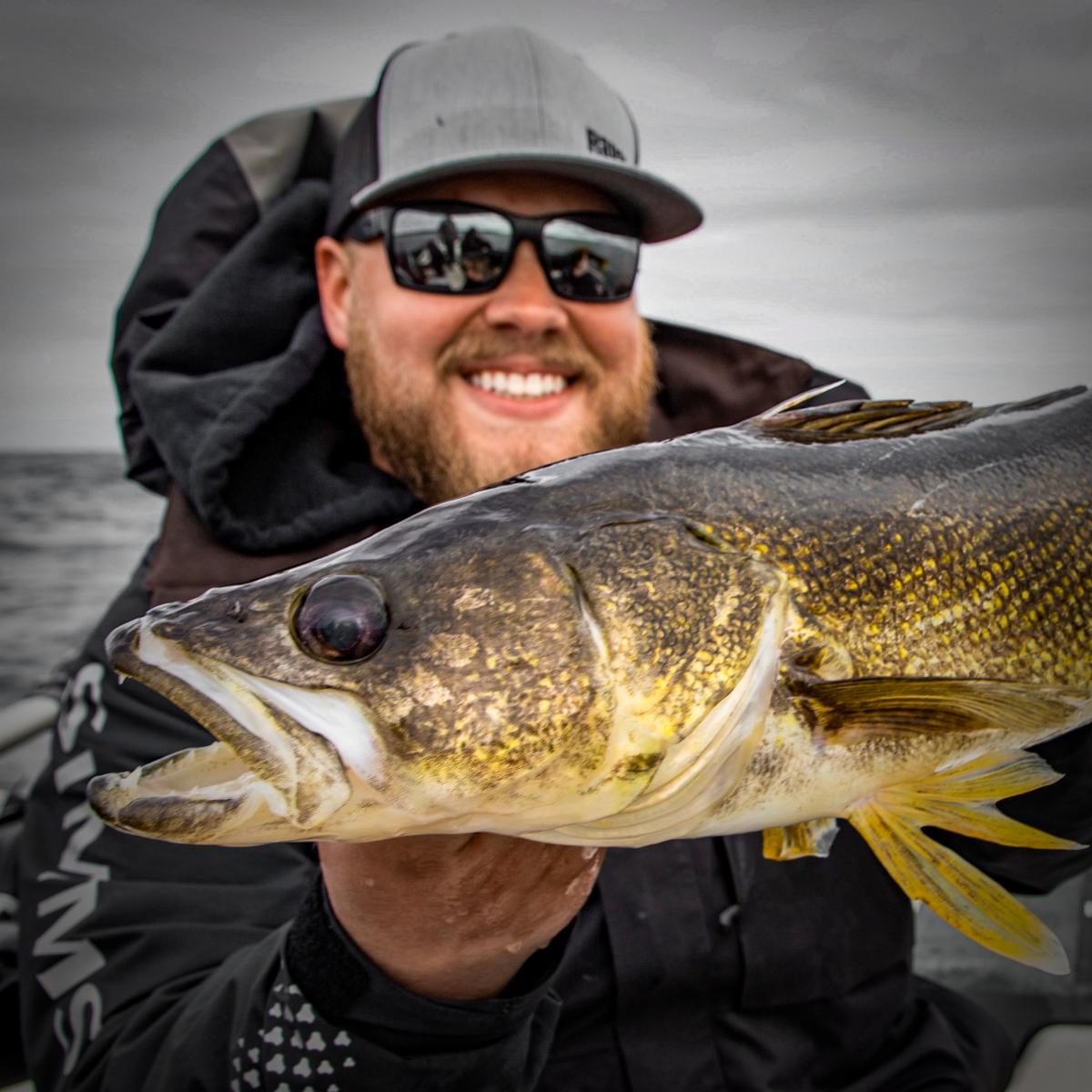
There was an amazing turnout at the sold-out Walleye Alliance Spring Banquet last night. It was incredible chatting with and meeting a bunch of other walleye-obsessed folks 🙌 including this pair of walleye royalty who were nice enough to let a peasant like me snag a pic!
|
|
|
Big thx to all that helped put on this fundraising event that helps raise money to better walleye fishing in the Brainerd Lakes Area! 💯
|
|
Jason Mitchell talks post-spawn walleyes locations 🎯
|
|
|
Found this nugget in this Virtual Angling post with Jason Mitchell talkin' where to find walleye after they exit the love shack:
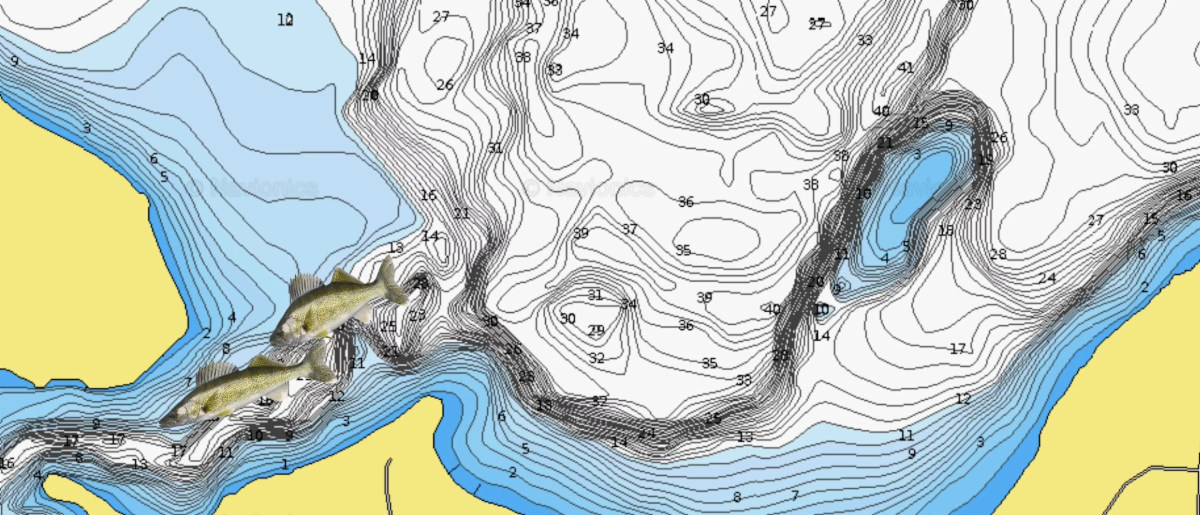
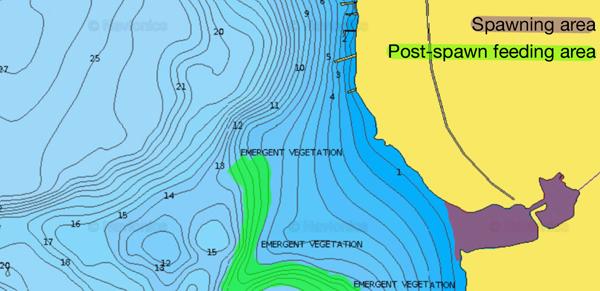
> The biggest thing about finding fish right after the spawn is that you have to identify where they spawn. It might be an incoming tributary or a creek that’s dumping warmer water in and there’s some gravel along the shorelines. Or rip rap along an embankment like a causeway where there’s a bridge with some rock at the shoreline. Might also be just a windswept shoreline where there’s a bunch of pea rock – those hard bottom areas. Typically, if you have good water circulation and a hard bottom, that’s where these fish are going to spawn.
> Right after the spawn, walleye don’t necessarily go very far. Usually within about 400 yards of where these fish spawn is where you can count on finding these fish at least for the first couple weeks after the spawn.
> My favorite locations to look for are large flats adjacent to spawning locations that are less than 12-13' of water. Less than 10' of water is even better because these spots are going to warm up quickly.
> The bottom might be flat, scattered rock, might have some emerging vegetation. A lot of times, the bigger the spot, the more fish it can hold.
> This is not to say that smaller spots aren’t good, because they can be especially great if they’re overlooked by other anglers. With the large flats, you also want to consider the classic access to deep water, but not always [because]...
> ...a lot of times, finding the best location for post spawn walleye is more about water temperature.
> There’s a lot of different patterns that can emerge, and every lake will have its own personality, but...when you’re looking for these shallow flats, keep an eye on that temperature gauge. A lot of times, if you can find the pockets of warmer water on the flat, you’ll find the fish.
|
|
Al Lindner’s 30-day post-spawn rule 🗓️
|
|
|
Gotta bring back this gem from Target Walleye’s Al Lindner on where he starts his search for post-spawn walleyes:
> One of the things we learned about early-season walleye is what we call the 30-day rule. This rule primarily applies to smaller and medium-sized natural lakes and reservoirs. This rule DOES NOT apply to the Great Lakes or other huge bodies of water where massive schools of walleye migrate great distances....
> The 30-day rule in these smaller bodies of water: If you know the precise time that the walleye spawned, you can almost bet that 30 days later, groups of walleye will be on the first lip of the large shallow flats extending out into the main body of water.
> These are fish that have already gone through their post-spawn, are regrouping and feeding heavy. There can be other groups of fish deeper, but many of the good-sized fish will be relating to that first lip.
> The lip could be a 3-5′ drop, either weed-edged or sparsely weeded. In other bodies of water that break might occur at 7-10′, and still others at 12-15′. But in all cases the lip is what is considered the main break for that body of water.
|
|
|
> It helps if there is vegetation – however sparse or thick, the walleyes will likely be relating to it. It’s important to realize that the fish will most likely be up on the flat, rather than down the drop.
> Over and over again as we have crisscrossed North America and have dealt with the seasonal variation of the latitudes, yet this seemed to hold true.
> If you’re going on waters you have never been on before, contact the local bait shop or some reliable source of information to find out when the peak of the walleye spawn occurred. To that, add 30 days. Get out your LakeMaster maps and look for those drops – it’s really as simple yet complex as that.
Thx much, Al! 🙌
|
|
Post-spawn walleye MythBusters.... 🕵️♂️
|
|
|
This is a really great Gord Pyzer write-up on In-Fisherman that’s packed with a TON of info on spring walleye migrations. For sure worth diving into the full scoop here, but I’m going to drop a few juicy nuggets below that caught my attention instantly:
|
|
|
> Larger walleyes also move from spawning areas in a hurry – much faster than most anglers think. “We got into a bunch of small males,” is the usual opening-day refrain from frustrated walleye anglers. “The bigger fish are recuperating and refuse to bite.” But according to Colby, smaller male walleyes predominate in the spring catch because males outnumber females on the spawning grounds. Males mature at least a year earlier than females, adding at least one extra year-class of them on the shoals.
> Colby also says that larger female walleyes quickly vacate spawning areas in search of a deep-water refuge. They head for deeper regions, especially if soft-rayed forage like ciscoes and smelt are available. It isn’t that they just quit feeding.
> Younger, smaller walleyes, both male and female, often forage on perch. Perch tend to stay shallow, so smaller walleyes stay shallow, too. This isn’t to suggest that large walleyes don’t eat perch. They certainly do, especially in emerging weedgrowth during the presummer and summer peak periods.
> Small walleyes eat perch (and shiners) because these baitfish are more abundant, not just because walleyes prefer them, Colby explains. As walleyes grow bigger, however, they switch from what is most abundant to what they prefer: Soft-rayed forage like deeper-dwelling herring and smelt. And walleyes also function metabolically more effectively in the depths.
Keep reading here.
|
|
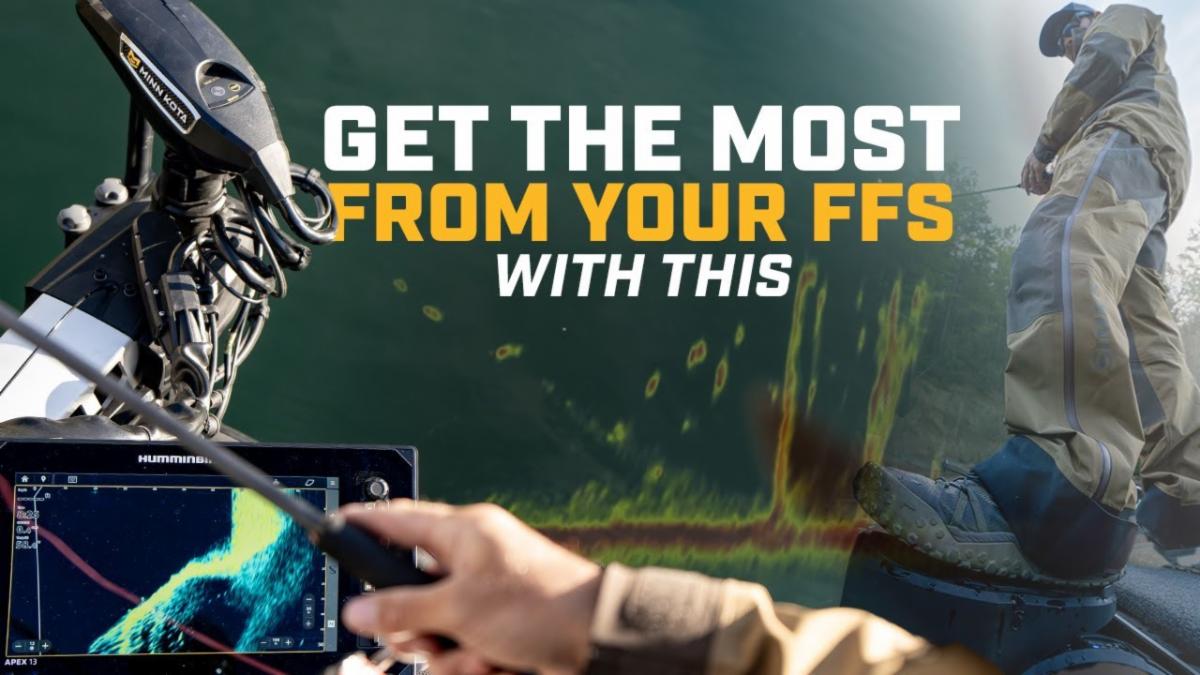
Your trolling motor affects your FFS more than you think 🤔
|
|
|
FFS gets all the glory, but there might be an MVP on the bow doing more heavy lifting than it gets credit for. 👀 Came across this Minn Kota YouTube vid with Bassmaster pro Brandon Palaniuk got rolling on that topic and dropped some interesting 🧃 talkin' how much of a difference your trolling motor makes on your FFS.
Yes, he’s a bassin’ guy...but relax, the walleyes won’t know where the intel came from. 😏
> "One of the biggest things in forward-facing sonar is knowing which angle to make your cast at.
> "A lot of people overlook how important the precision of your trolling motor is, but being able to have that actual cable drive with the electric assist so you get the quiet, smooth operation of the steering of your trolling motor.
> "As you do it more and more, then that's where that cable drive, being able to know exactly how my foot is positioned, is exactly where that head is pointing. You'll get to a point you don't even have to use the directional head.
> "[The Minn Kota Ultrex QUEST] allows you to better pinpoint and stay locked on your target, as well as give you better bait tracking throughout the water column.
> "As fast as these fish move and change, their angles change, their attitudes change, your equipment has to be able to keep up
> "This is especially important targeting fish at further distances. Being able to make micro adjustments as those fish are moving and swimming, chasing bait.
> "Next up is improved torque and efficiency for open-water searching or burning down the bank.
> "...sneak up closer to the fish.
> "This is going to give you 50% more torque and 30% more efficiency with the Ultrex QUEST compared to trolling motors of the past.
> "And then the added power and efficiency equates to longer run times keeping me on the water longer. But then at the same time, brushless technology gives you that power, but it's also more quiet."
Moral of the story, if you wanna catch a walleye nowadays, you gotta move like this guy:
|
|
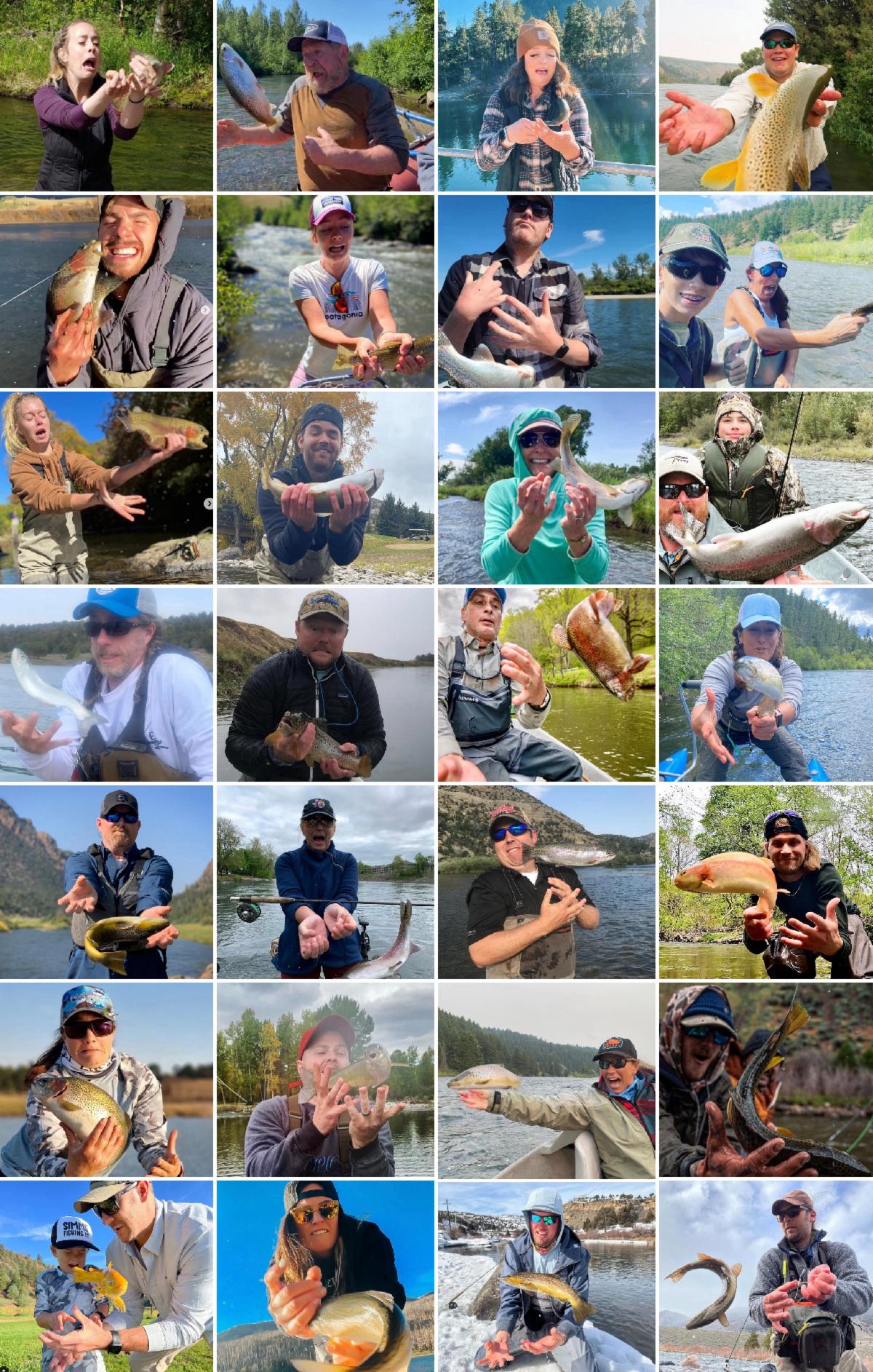
Love me some 'Fish-Flop Friday!' 😂
|
|
|
Although it’s only funny when it happens to someone else lol. 🙋♂️
|
|
|
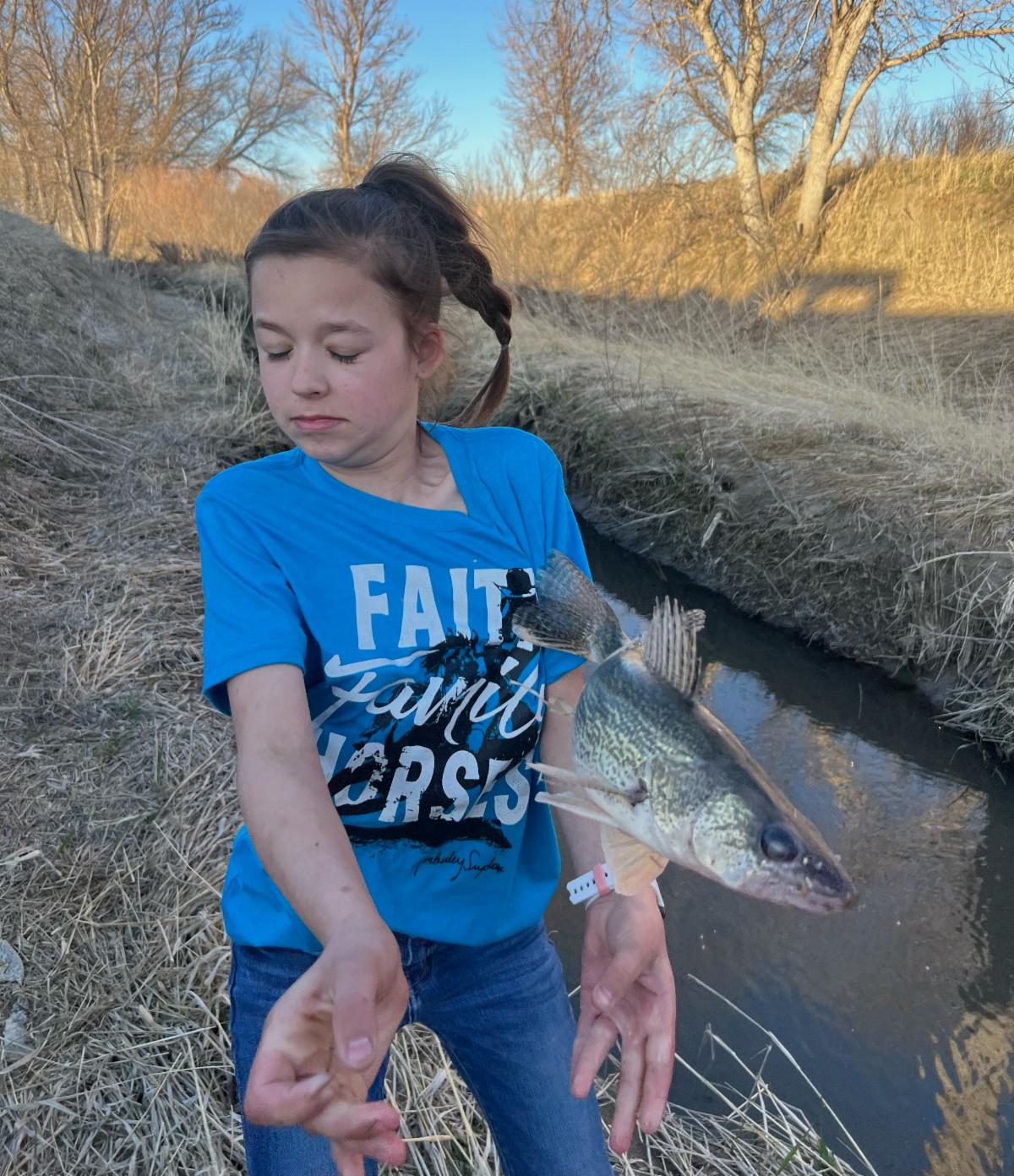
Normally trout (those slippery little buggers!) hold the top spot for fish-flop Friday pics. Do NOT forget to check out the facial expressions!
|
|
|
But occasionally you’ll see walleye make a surprise appearance...
Zach Mader sent this one in and said “Not today, sucker.” 😅
|
|
|
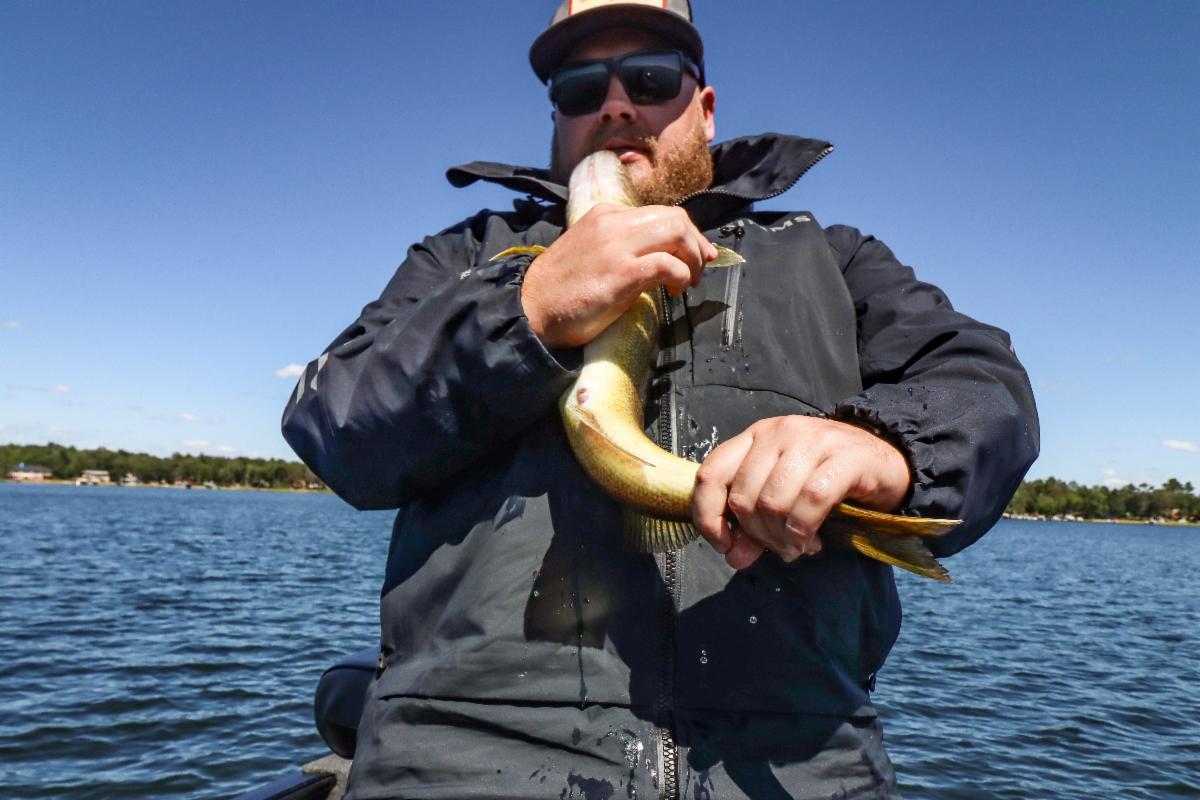
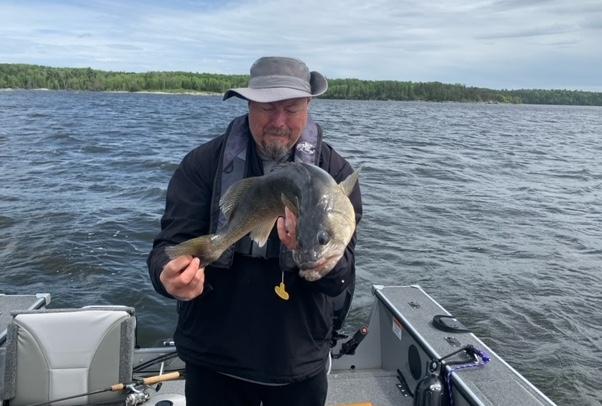
This Lake of the Woods’ 27.5-incher was giving Mike Erickson and run for his money below the water and above:
|
|
|
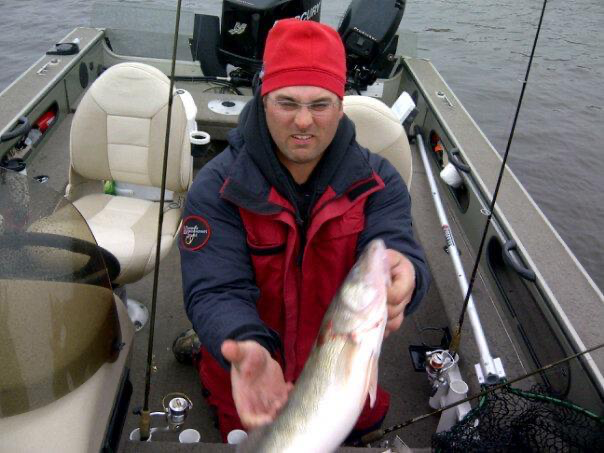
This Rainy River walleye had Kory Wermerskirchen doing the stank face:
|
|
|
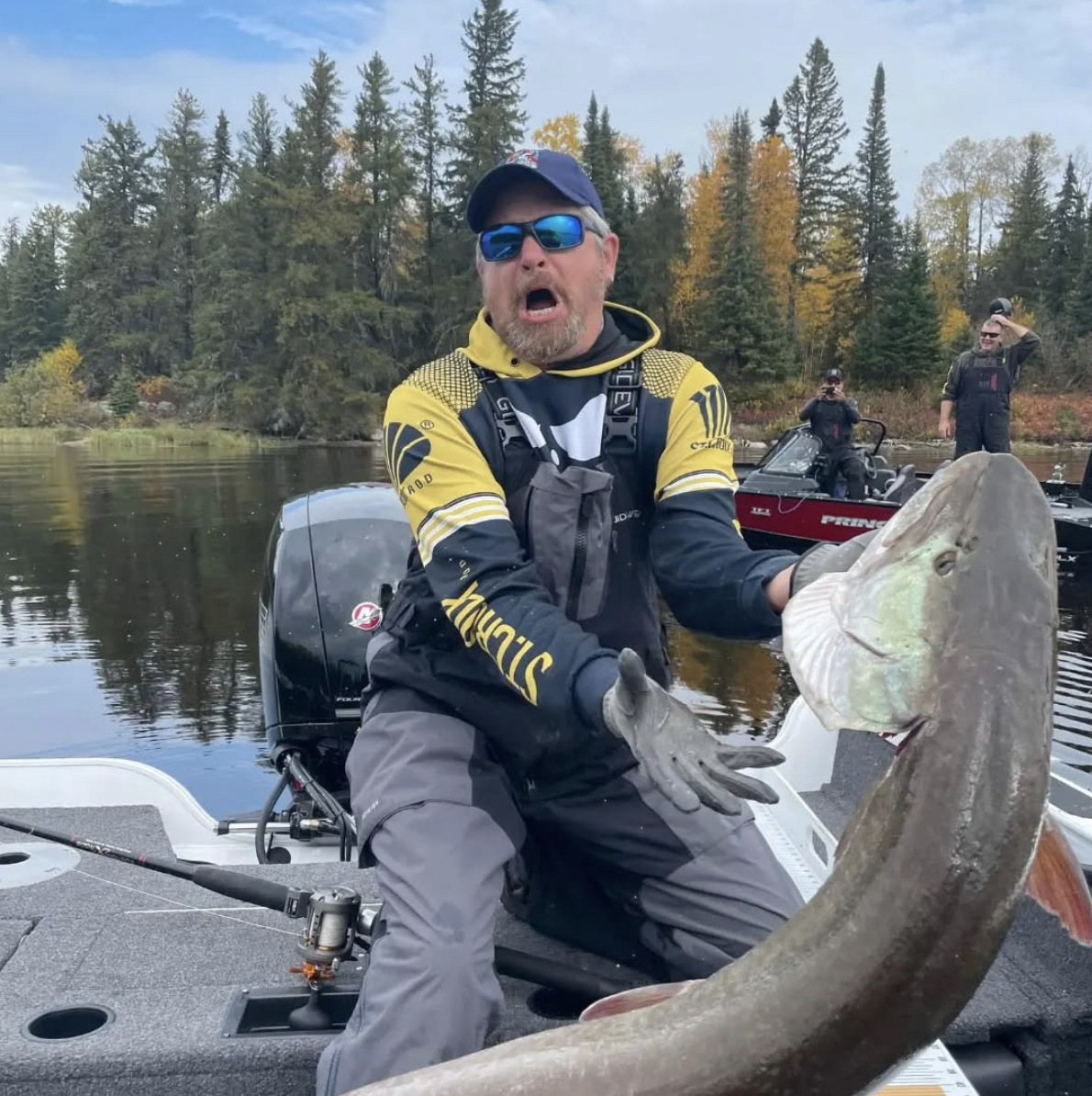
Oh, and things definitely get a lot scarier when they’ve got more weight to throw around! #MuskiEEEH!
|
|
|
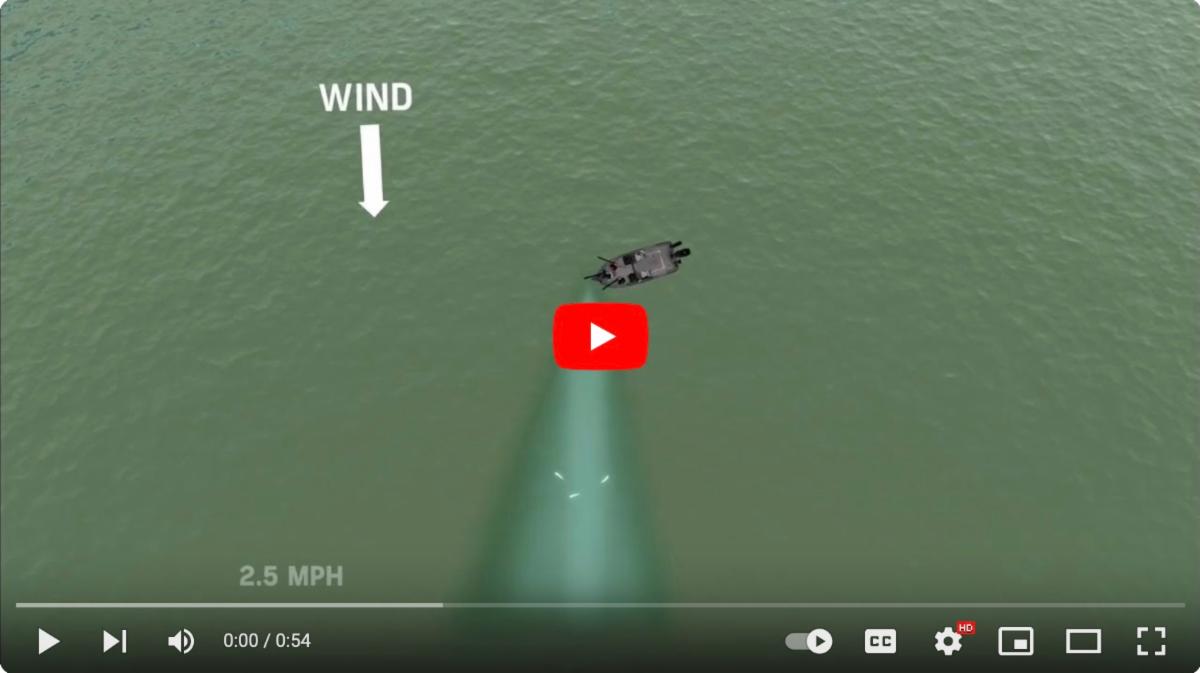
How Tom Huynh uses FFS in heavy wind
Not talking your average “walleye chop” where he would typically just fish with the nose of the boat always pointed into the wind...I’m talking about the kind of rollers they get on big systems like the Great Lakes, basin fishing on Lake of the Woods, etc.
|
|
|
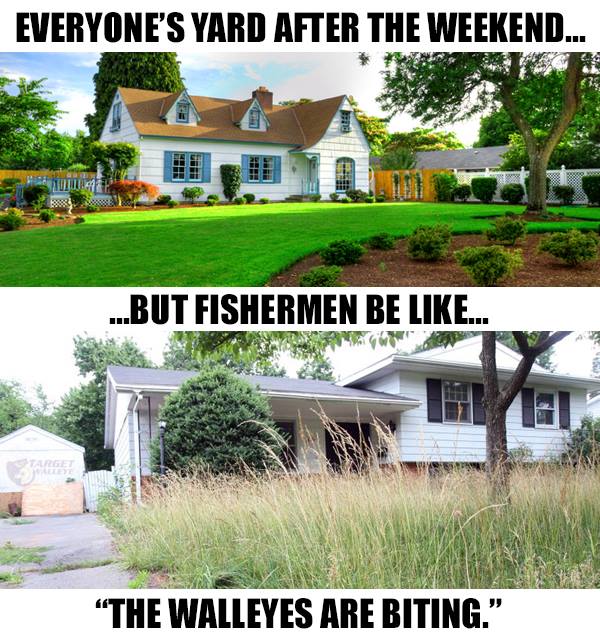
It’s so nice to see green grass again that I might not even cut it for the first month-ish of the walleye season....
|
|
|
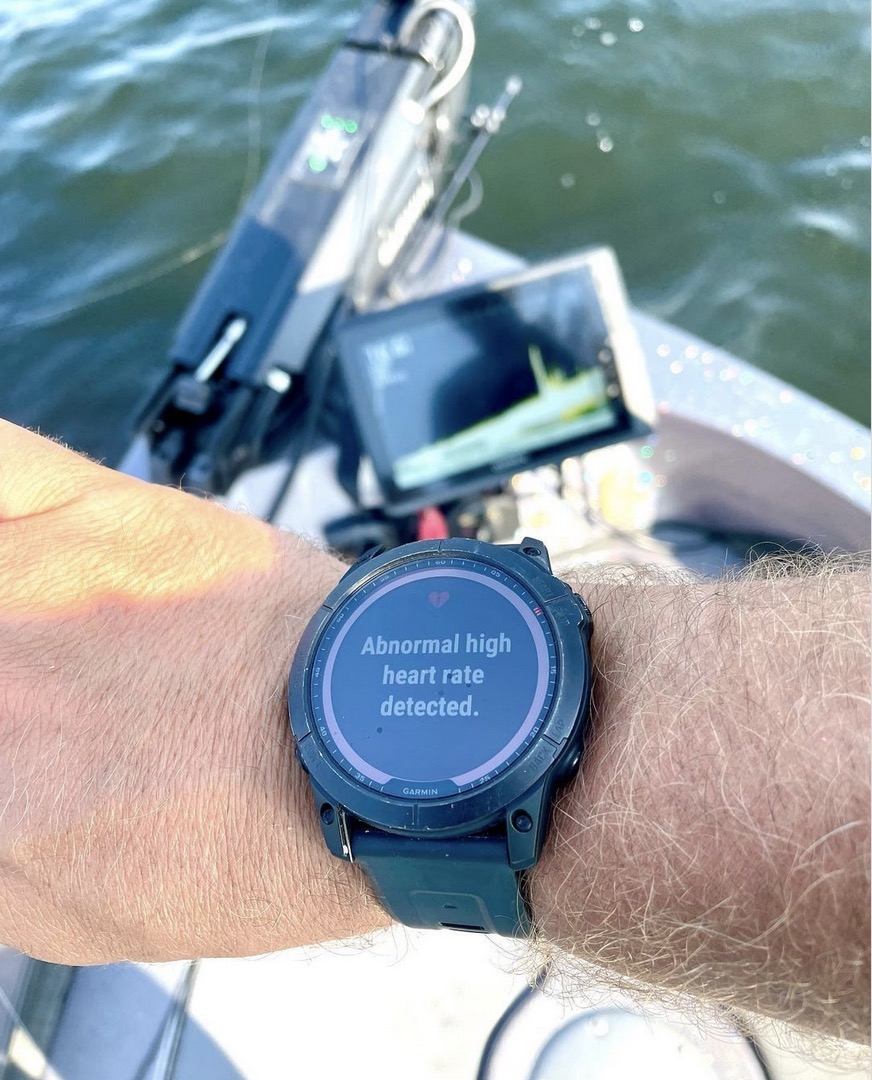
Hope you’re getting your heart rate up this weekend, too! 👊
|
|
|
Sign up another fish-head!
If you're forwarding Target Walleye to a friend who loves to walleye fish or want your fishing buddies to get these emails, just send us their email addresses and we'll take care of it! (We won't sell the addresses, use them for spam, etc.)
|
|
|
FRIENDS OF TARGET WALLEYE
|
|
|
Target Walleye – walleye during open water and all species during hardwater – is brought to you by Al Lindner, Jay Kumar, Chris Philen, Brett McComas and other diehard fish-heads like you!
|
|
|
|
|
|
Brett McComas is the main man for Target Walleye He was discovered in Brainerd, MN after years of wondering how in the heck people break into the fishing biz. He's in it now, but still can't answer that question.... Brett is one of those guys who majored in marketing, only because there was no such thing as a "fishing degree" at the time.... Get him at brett@targetwalleye.com
|
|
|
|
|