Understand the fall turnover! 🔄
|
|
|
And I’m not talking about these kind of turn-overs:
|
|
|
We’re talking what happens when water temps start to drop in the fall. Info is from this throwback Rick Olson write-up.
> As water temps reach their summer high, a layering process occurs...an upper warmer layer and a lower cooler layer – separated by a quickly changing narrow band known as the thermocline.
> This deeper, cooler, bottom layer can quickly become totally void of oxygen.... ...dead water can be a complete waste of time. ...concentrate your efforts at the thermocline and shallower.
> Fish-finders display density of objects.... The upper warmer layer is less dense than the cooler bottom layer – it’s this change in density that will show up on a graph...looks like a constant narrow band.
> Some lakes are so shallow and windswept that they may never thermocline, like Mille Lacs.... The big lake circulates every time you get a decent wind, and the temperature remains relatively consistent from top to bottom....
> It’s not just the fact that a lake will turn over that causes tough fishing conditions...more likely due to the rapidly-dropping water temps. The body temp of a fish is subject to its environment – rapid changes in water temp can shut fish down...it may take some time for their body to adjust.
|
|
|
> The turnover usually coincides with the first hard frost of fall, but not always. Some years the change is so gradual that it becomes difficult to pin down. One of the indicators to look for is water temperature.
> When surface temps drop into the lower 60s and upper 50s, you can figure you’re in the turnover zone. Walleye activity can range from bad to good depending on how quickly water temps cool off. A gradual slide can make for better fishing....
> Another option, would be avoiding the negative effects of the turnover by trying to find a lake that hasn’t turned yet, or one that already has and had a week or 2 to settle down. The first ones to go are the shallow lakes as they have less mass and cool quicker.... There may be as much as 2 weeks difference – or more – as to when it all begins and ends.
> Typically you can still find walleyes sticking to deeper summer patterns, but on certain bodies of water there is also a move to shallow water and is where you can expect to find the largest number of active fish.
> The move to shallow water will depend on how much good shallow-water cover is available (shallow weed-choked bays, rocky bars/reefs, as well as larger weed flats). The food [baitfish] that has been hiding out in shallow cover is now getting pushed out into the open where it becomes extremely vulnerable. It’s the very reason why walleyes can be found up tributaries on big reservoirs, schooled up on shallow rocky reefs in natural lakes, or running the edge of weedy flats.
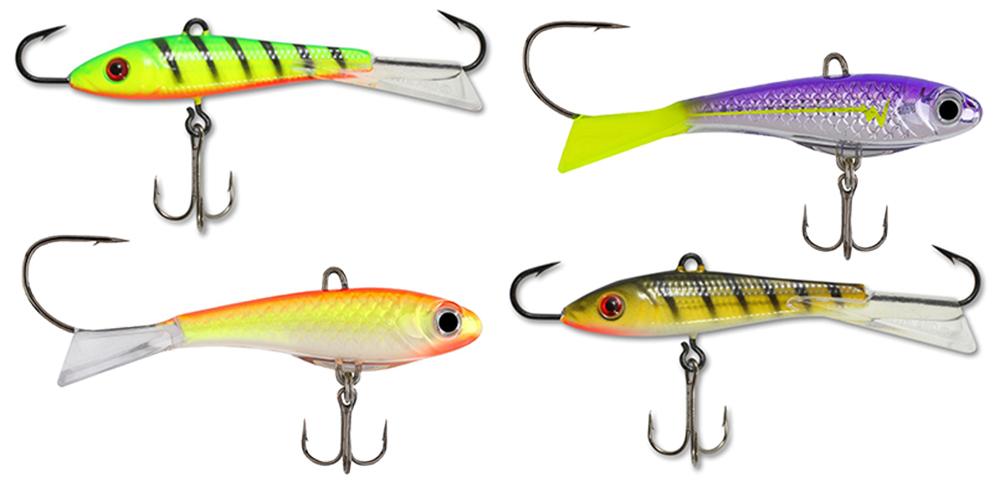
> Late summer and early fall can be one of the best times to work the shallow rocks with Rapala Shad Raps. ...the most effective crankbait for working shallow structure there is. ...perfect fish-attracting wiggle and some great fall colors like ‘fire tiger’ and ‘crawdad.’
> Later in the fall as water temperatures cool off walleyes will quite often change their preference and the longer slimmer baits like the Original Floating Rapala can become more effective.
> Spinners can remain effective until the temps dip below 60 degrees. Spinners, trolled over sparse weed flats, along deep weedlines, and along any potential fish holding structure, can be extremely productive. While spinners are usually associated with a harness and crawler setup, don't overlook a spinner and minnow combo.
> A spinner, with a single long-shank hook, is the way to go. The longshank can be run through the mouth of the minnow, out the gill, and slid into the tail, along side the anal vent. This technique will help keep the bait alive, and fresher, much longer than other methods.
|
|
TJ Erickson’s fall walleye fishing breakdown 🎯
|
|
|
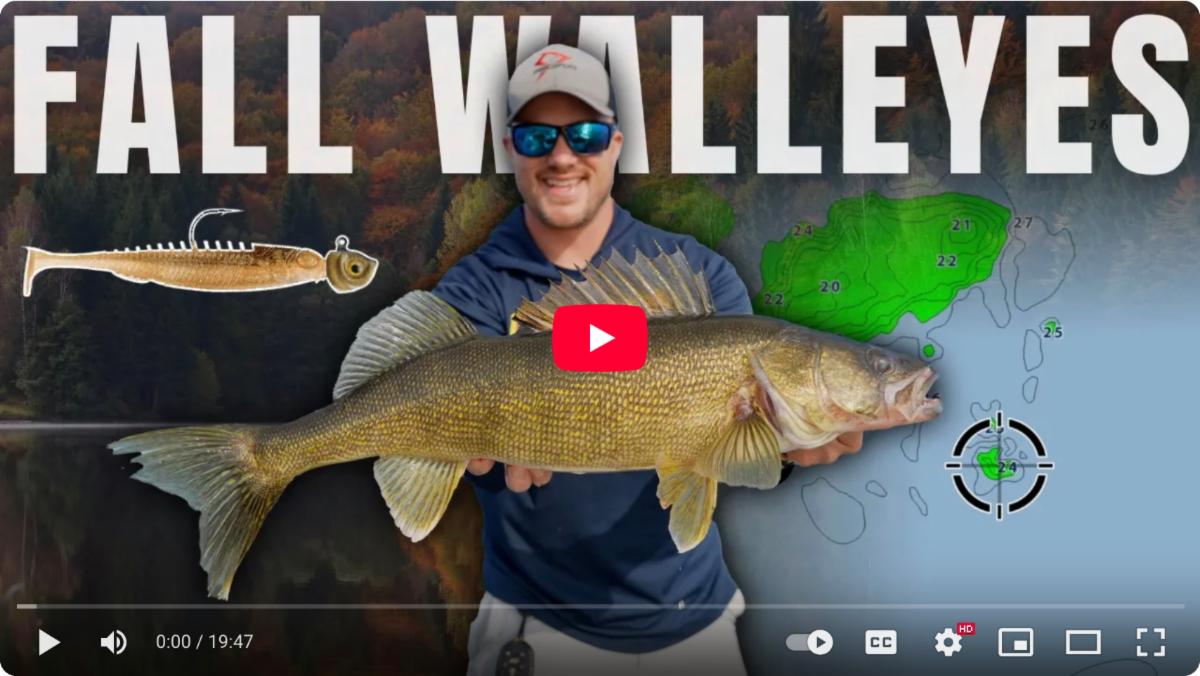
Fall is officially here and it's prime time for chasing big walleyes, but it ain't always easy! Here's 5 tips from the hammer TJ Erickson (video) on how to break down water to find the grown ones:
|
|
|
1. Know your body of water
> "Maybe it's a home body of water, maybe it's a new body of water. Talk to the bait shops, talk to locals, do some research online....
> "...get to know your body of water because that will really indicate what's going on at that time of year, and it will help to eliminate a lot of time spent searching around.
> "For example, like you go to Leech or Winnie, they have this really good shallow sand bite going on in the fall where you know a lot of my home lakes, smaller deep stocked lakes, they might not have that same type of bite.
> "It might be more of a weed oriented bite while they're still there or it might move to that deep bite on some of that structure. Then you go to...a Canadian shield style lake, it can be a really good suspended bite."
2. Reverse summer patterns
> "Essentially just to reverse the patterns...especially earlier in Sept, fish your summer spots, fish with crawlers, fish with leeches, do all the same things you're going to do in the summer.
> "If that starts to slow down [or] if that's not working, then I reverse my patterns back towards what I did early summer and then even into the spring where maybe those fish are suspended in the summer and then they're not there anymore.
> "Now I'll look closer to those break-lines, maybe a little closer to some of the weaves as it continues to progress. Move up a little shallower, see if they're there."
3. Follow the weeds
> "In general, as summer transitions in the fall, that's when you start to see some of those weeds dying off.
> "A lot of times those weeds will stick around even into the winter, especially some of those shallow ones...those weed lines will get a little bit shallower....
> "...as those weeds kind of lose their green and they start dying off, that's when that bait starts to move from the weeds and can move into some of those shallow areas....
> "Keep track of the weeds, follow them up as they get shallower. They'll still be around those weed edges if there's any green weeds. And then as that goes away, you might want to keep working shallow...."
4. Find current
> "...this could be pinch points, this could be islands where there's kind of a natural funnel, this could be...an actual river that's flowing in.
> "For whatever reason, a lot of times in the fall, that bait likes to move towards that current and then those walleye are often there to follow."
5. Upsize baits and get aggressive
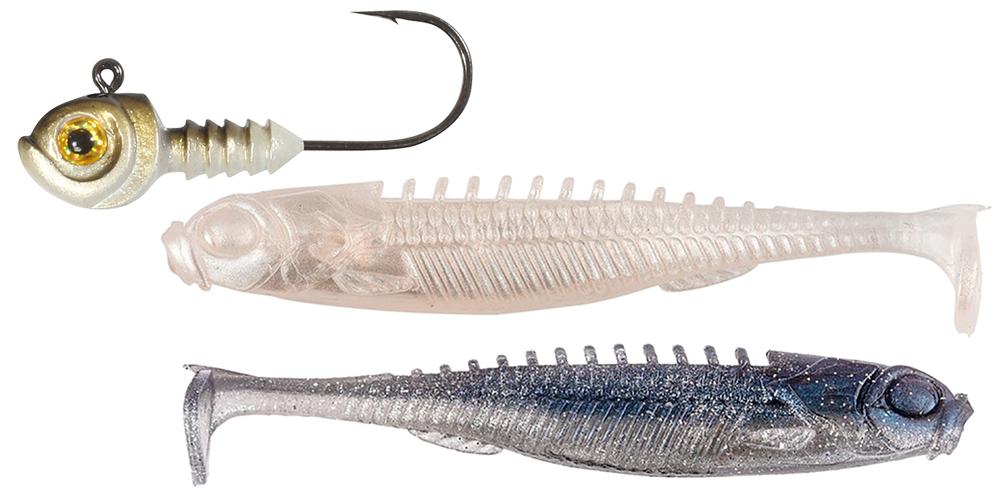
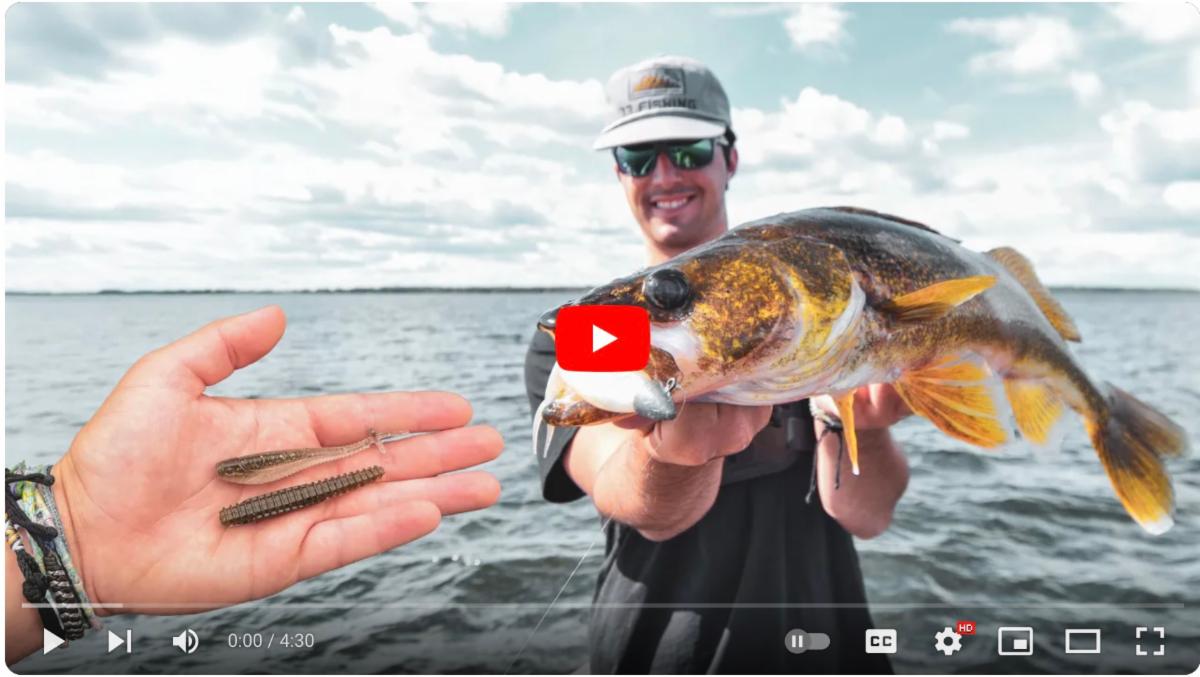
> "...right now, I'm using...a Smeltinator and a 4” Northland Eye-Candy Paddle Shad. One of my favorite presentations in the fall...just mimics those larger minnows...as they get to be this size in the fall...they're looking for a little bit bigger meal."
|
|
|
> "...as you can see, these fish have been a little bit lethargic, but when they want to eat, they crush it.
> "...whether it's...your plastics that you're using, if you're using a reaction style bait, I upsize those as well. If you're using crankbaits, upsize those...especially minnows. ...I love using big minnows.
> "When in doubt, use a minnow profile bait.... Whether the bite is tough, whatever it is in the fall...the later it gets in this fall especially, using those minnow profile baits...it could be...a paddle tail...whether it's rigging a chub, whether it's a crankbait, whatever it is, using those minnow style baits really seem to get bit a lot in the fall.
> "Get aggressive. ...you know, this is what I would consider a somewhat aggressive presentation, especially when you're working it above them. As they start falling, you can reel up faster.
> "Another one that...you've probably heard from a lot of people is using some sort of glide bait...like a Puppet Minnow, Pitchin’ Puppet, something like that. I'll upsize on those as well."
|
|
|
> "If I need to get bit in the fall, the one presentation that I will use is a big minnow on a rig...I will often just drive almost right over top of them so I don't have to cast that thing or I don't have to troll behind the boat. I'll almost just drop it straight on top of them."
Here’s TJ’s full YouTube video breaking things down, and walking the walk. Vid is loaded with lots of great map and sonar examples:
|
|
The ultimate finesse rig for fall walleye fishing 🤫
|
|
|
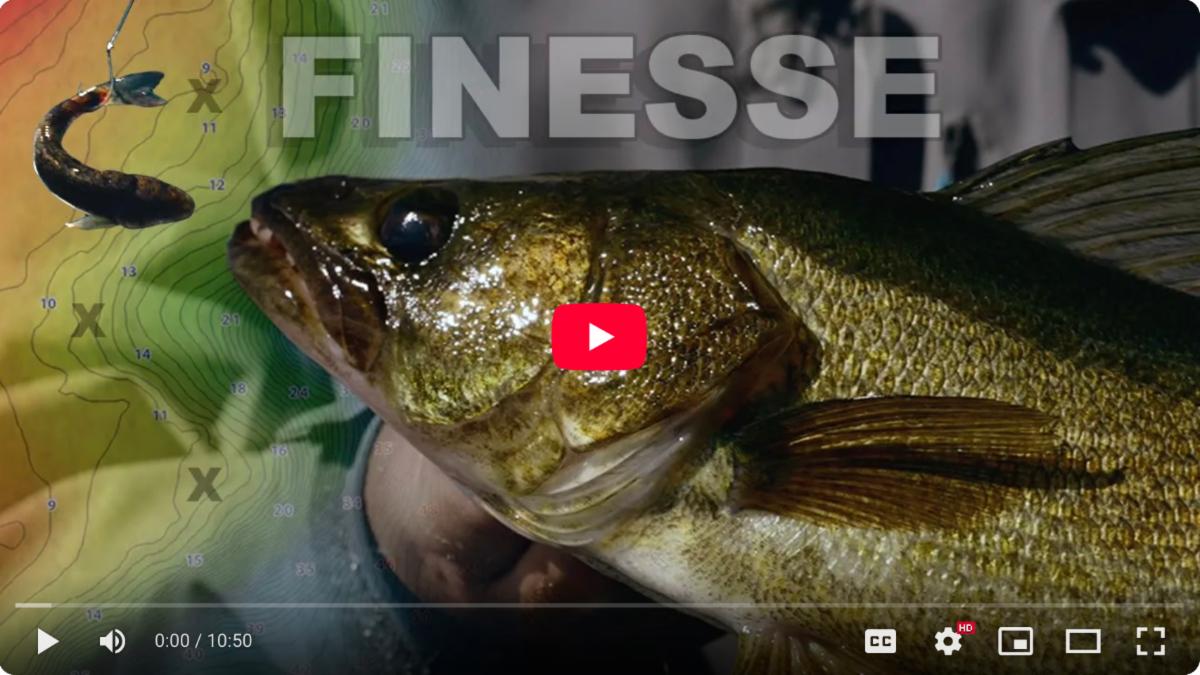
The split-shot rig is a finesse walleye presentation that was being used far before the word “finesse” was even applied to fishing techniques. It can get you bit when all else fails – especially when talking about pressured fish in the fall.
This video also shows a little twist I've been using on mine this season with a bunch of success. The bite will really start to ramp up as water temps (finally) dip into the upper-50s.
|
|
Is there science proving that Ned rigs won't catch as many fall walleyes…
|
|
|
....compared to throwing minnow-profile baits? 🤔 Specifically in the fall.
A little nugget from Liam Whetter, who was referring back to his chat with crayfish biologist Tom Brooke Jr:
> Liam: “We all know walleyes love eating crayfish, and dialing in on a crayfish pattern can lead to some of the most action-packed fishing you'll find. However, late Sept brings a fundamental change: crayfish molt and hide in the rocks.
> "This means walleyes have less access to this forage. Keep this in mind, watch this video, and you'll save yourself a lot of frustration when targeting walleyes during this period.”
Liam essentially says that where he’s at, fall walleyes do a 180° flip from eating crayfish to instead focusing on baitfish towards the end of Sept:
|
|
|
I mean it sort of makes sense! But then also instead of crawling or “bopping” your Ned rig along the bottom like a crayfish...you could fish it higher in the water column and use a more baitfish-y pattern (shiners, perch, etc):
|
|
|
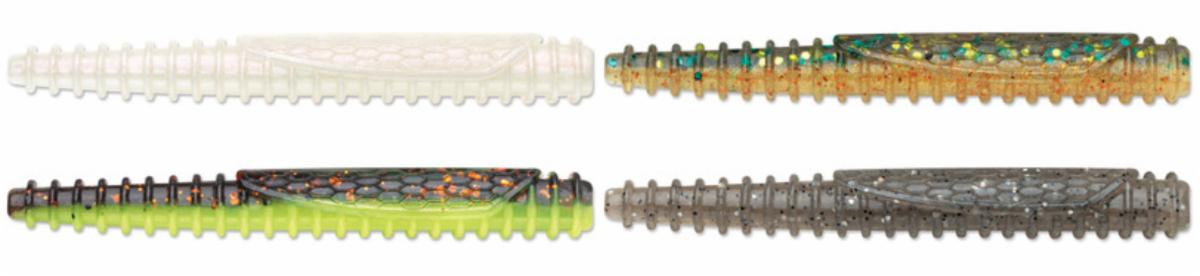
Funny enough one of the main reasons “goby” is one of my favorite all-around CrushCity Ned BLT colors is because it can look like a little bit of everything. It has a darker top when fished near bottom ⬇️ and then a lighter belly when walleye are looking up at it. ⬆️
|
|
Soooo...I guess PETA is taking on MN's fishing industry? 🙄
|
|
|
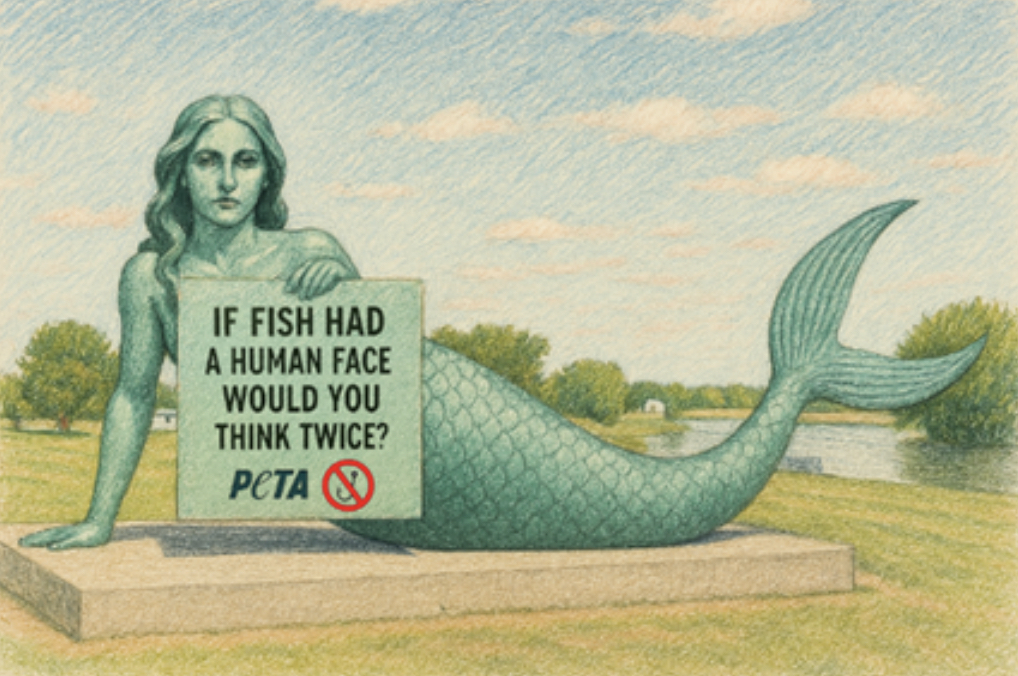
Apparently PETA sent a letter to the mayor of Baudette (Lake of the Woods) asking to "shift the tide toward a kinder future by adding a statue to Willie Walleye Park that encourages everyone to leave fish in peace.”
They said:
> "Would you please place a mermaid statue next to the iconic Willie Walleye? By pairing the big fish with a graceful mermaid, Baudette would send a clear, positive message that we can celebrate our aquatic neighbors without glorifying their abuse. If you agree, we’d be delighted to help commission a statue similar to the one below:"
Here’s a mock-up of that statue. 😅
|
|
|
1. Your 2025 Future Legend Award Winners are...
> Congratulations Shyla and Bryce!! Both of these kids have extremely high character and a passion for fishing. We are so proud to have you as part of our "FAM"ily!
> They will receive a lifetime fishing license and a whole bunch of other things, but the biggest prize is a lifetime of mentorship from our board members and volunteers.
And if you don't know what this program (Future Anglers of Minnesota aka FAM) is all about:
> Future Legends is our flagship program. We select 1-2 kids every year through an extensive application process of an application, essay, report card, references, and video. We select the kids based on their character, passion for fishing, and their application process.
> The kids that are chosen, receive a lifetime fishing license, $1K in fishing gear to help them become self-sufficient, a $500 Scheels gift card, a guided fishing trip for them and one other person, a Clam ice suit, and a lifetime of mentorship from our board and volunteers.
> We create activities for them that teach public speaking, sales, networking, marketing, fundraising, giving back, and many other real world skills.
Speaking of FAM...
2. MN: From first cast to forever 🙌
Future Anglers of Minnesota (FAM) is making anglers and memories! They’re getting 250 kids on the water every year. Most of ‘em are fishing for the very first time as they don’t have a family angler in sight. FAM jumps in with tournaments, clinics, and events where kiddos learn how to cast, tie knots, battle fish, and respect the resource.
The kicker: They’re shoulder-to-shoulder with pro anglers and community mentors teaching way more than fishing – they’re teaching confidence, conservation, and how to carry yourself on and off the water. It’s about building a community that’s bigger than one cast, one fish, or one day. And if you’ve ever seen the look on a kid’s face when they reel in that very first fish...let’s just say you know they’re hooked for life.
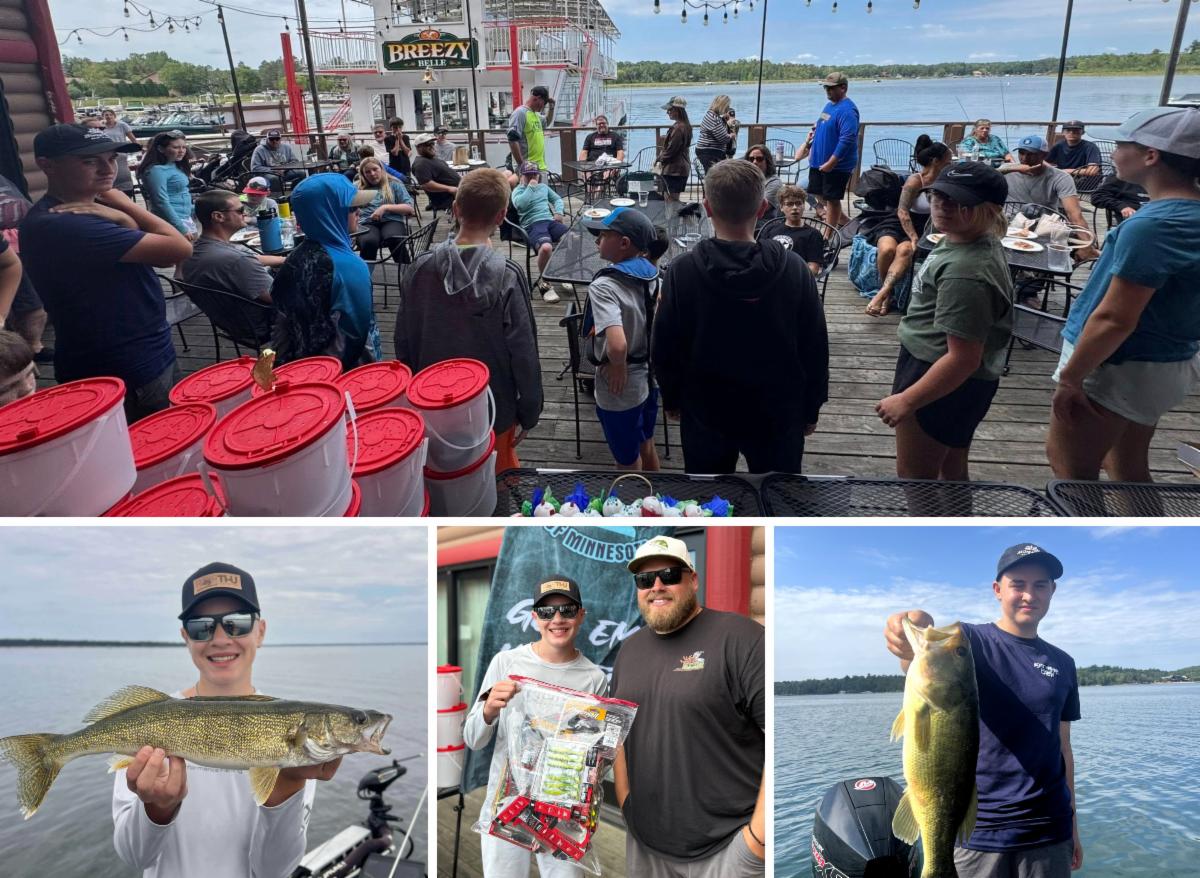
FAM recently held a kid’s fishing clinic on Pelican Lake (Breezy Point, MN) that helped get a bunch of kiddos on the water. I was fortunate enough to be a guide boat, and man was it ever a great time!
|
|
|
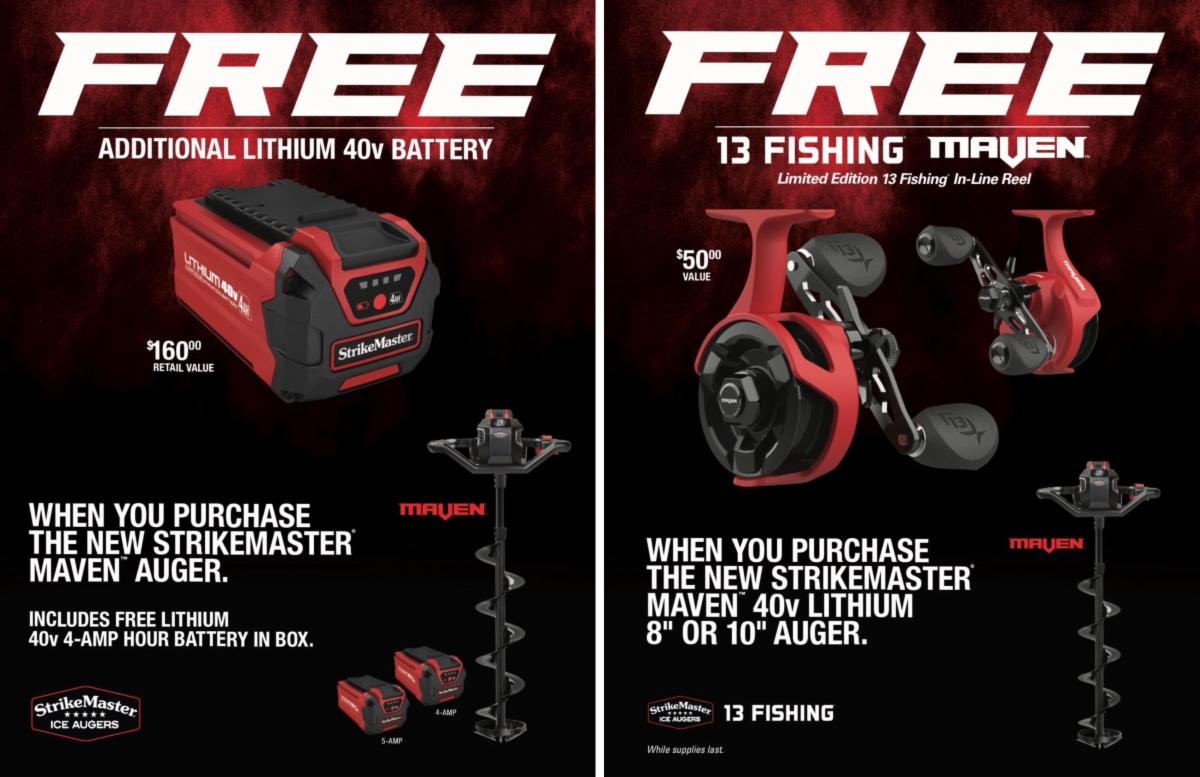
5. NEW StrikeMaster Maven 40V ice auger is here 💯
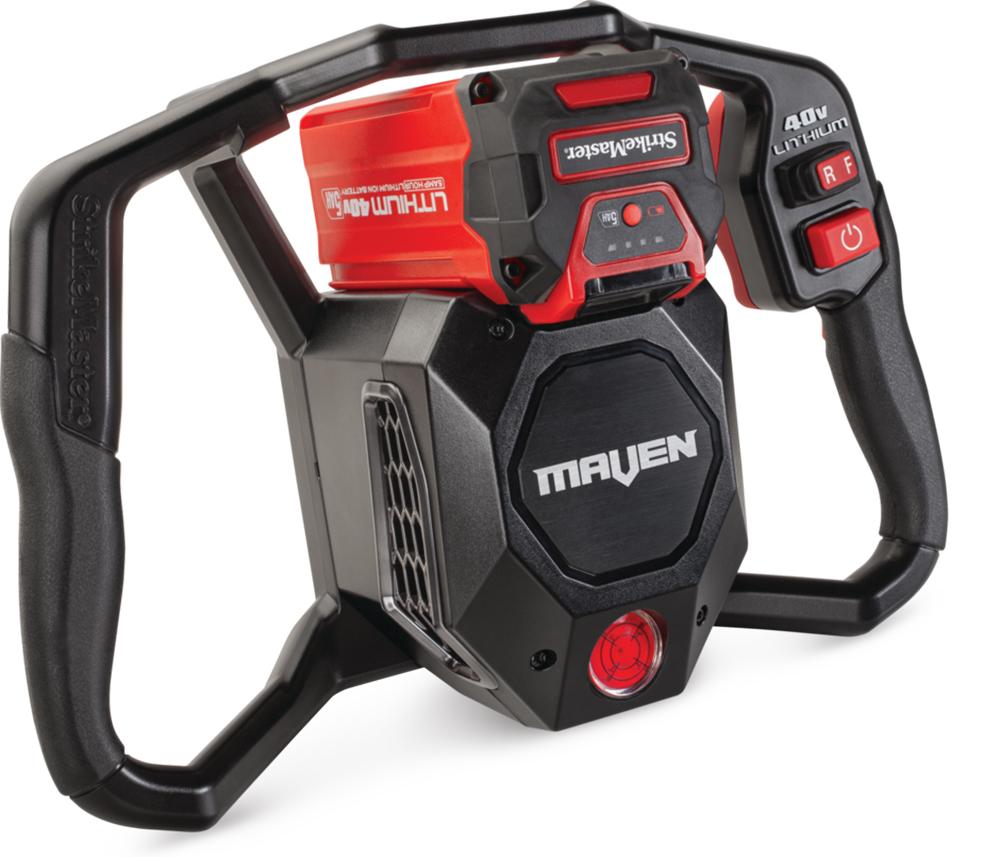
I believe this is now the lightest, fastest, and most powerful 40V ice auger in its class. Won best of category for 'Ice Fishing’ at ICAST. The 8" unit smoothly cuts at 3.6" of ice per second and can drill thru 2,000" of ice on a single charge. 😮💨 I can’t wait to take one out for a rip!
|
|
|
Weighs just 14.5 lbs, has a brushless motor, variable speed 'throttle', reverse, built-in LED light and bubble level, is more compact for getting those corner holes in the wheelhouse, the list goes on.
There will also be a 10” version that weighs just 15.5 lbs, cuts at 2.5" of ice per second and can drill thru 1,440" of ice on a single charge.
Heads up: Scheels just got ‘em in stock and right now they’ve got a killer promotion where you get a second battery AND a limited-edition 13 Fishing in-line reel for FREE when you buy the new Maven.
|
|
|
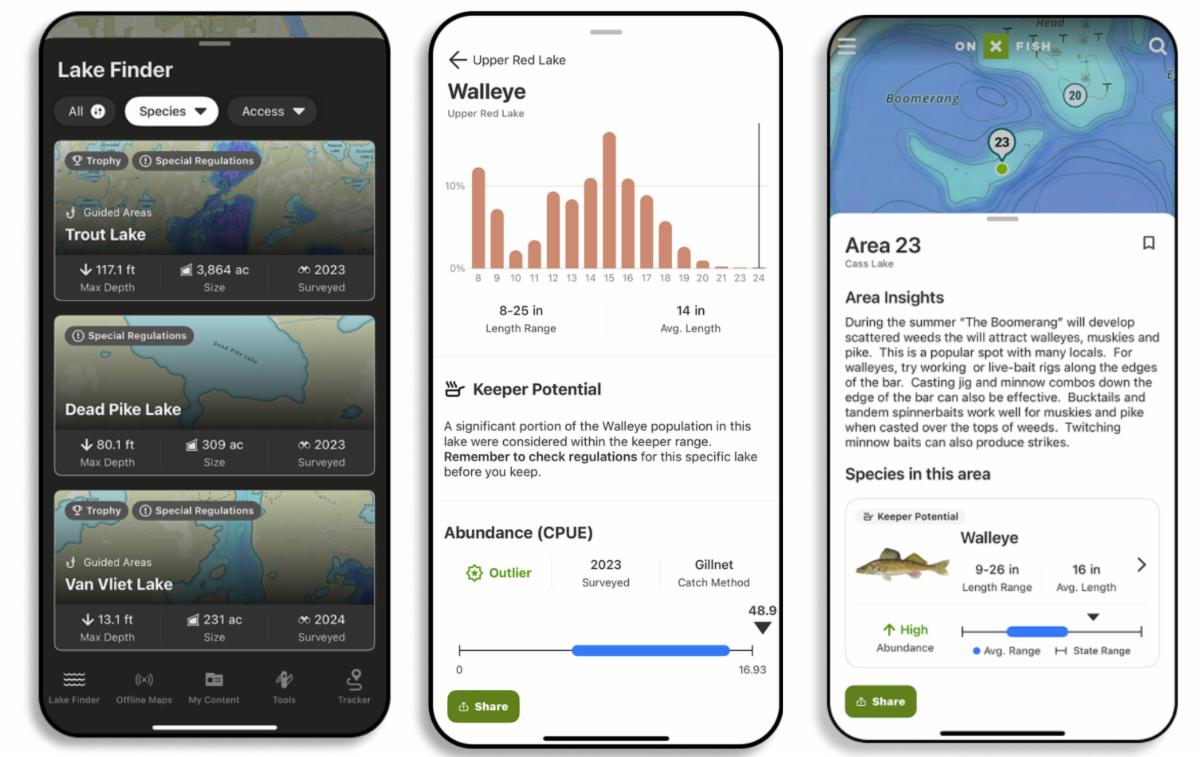
6. IL: onX Fish now available in Illinois
No doubt onX Fish is making moves! They’ve been busy adding more states: Now available in Minnesota, Wisconsin, Michigan, North Dakota, Indiana, Ohio and now Illinois – and they’ll be adding more states throughout the year.
It’s literally a cheat code for researching fisheries (e-scouting!) and finding your new favorite honey hole. The onX Fish app has powerful filtering tools to search by species, trophy potential, keeper potential, and high abundance.
|
|
|
I’ve been using it since last summer here in MN and have legitimately found multiple new lakes in my backyard holding walleyes – sometimes giants! – that I never knew existed. Oh, and did I mention it’s helped me find sneeeeaky ways to access water that I didn’t know was public? 🤫
You can start a 7-day free trial and check it out for yourself! The app costs less than $3 a month, and that’s before you get 20% off when signing up with code: TW on their site. 👊
7. Missile Baits’ new sales director is Ryan Escutia
Believe he came over from Pure Fishing.
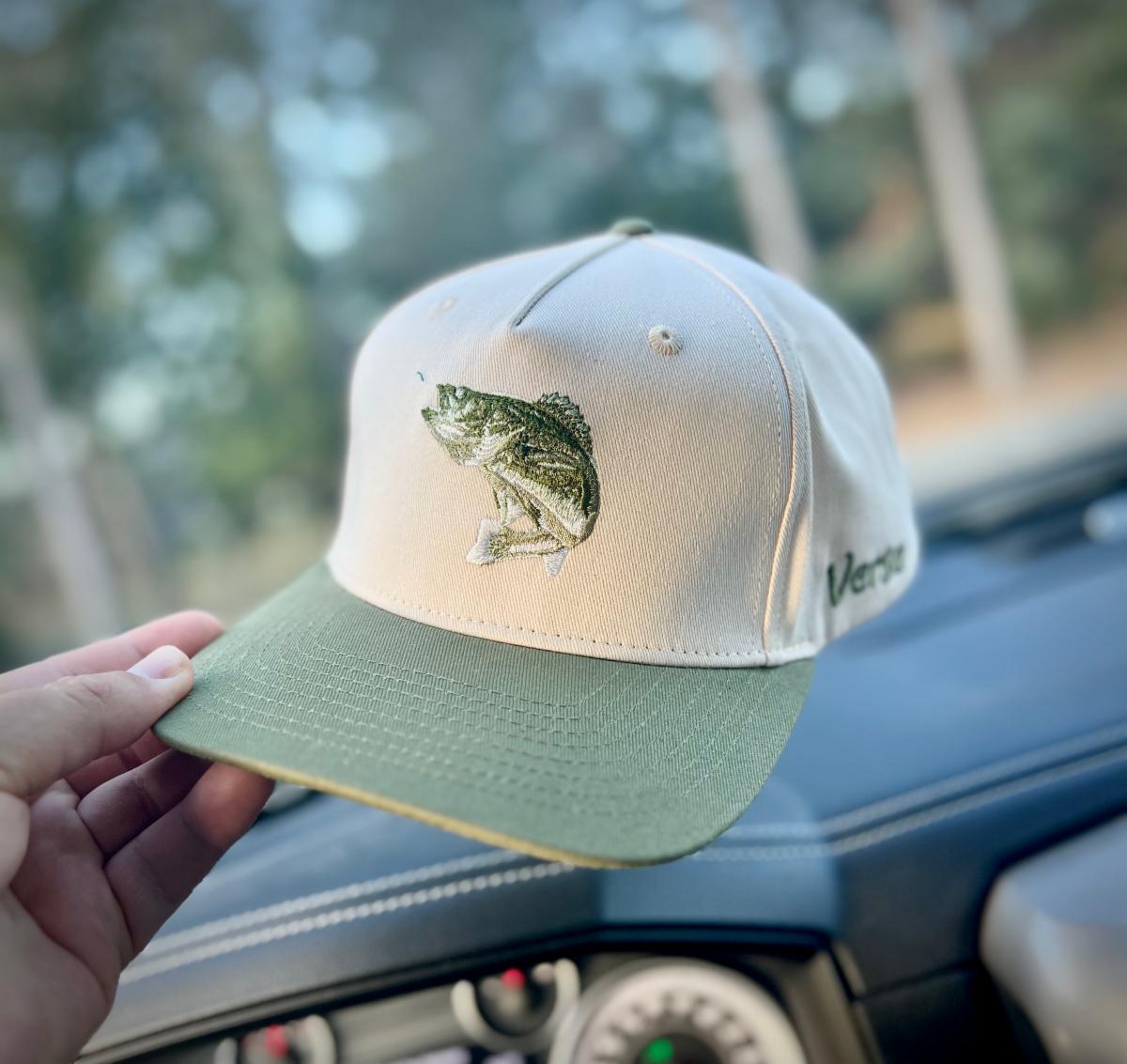
8. I LOVE the classic look of this hat!
Called “The Walter” and made by Versa 🔥 has become one of my favorite daily wears.
|
|
|
Brosdahl: The summer-to-fall walleye migration
We’re not quite to true fall fishing here yet, but summer is starting to slip away. Brian “Bro” Brosdahl talked about the fall walleye migration in a MidWest Outdoors collab, droppin’ a few fishy excerpts below:
> Water temps determine most of the long-term patterns in lakes...summer patterns will hold as long as the surface temps remain above 70 degrees.
> When the real fall cool-down begins, summer patterns fall apart pretty quickly and the fish start their fall migrations and put on the feedbag to get ready for winter.
> Minnows and small fish gather in larger schools and make their way into deeper water. Their main defense...when they move deep…is to travel in large schools, so they can ‘hope’ somebody else gets eaten instead of them.
> Where walleyes go and what they do depends largely on the type of lake they live in, and what options they have for habitat. Access to deep water is a critical aspect of fall/winter locations for most species of fish.
> ...walleyes in large shallow lakes that don’t experience thermocline during the summer will often move towards the shallows in the fall.
> Walleyes in deep lakes usually move into deeper water in the fall, using complex structures that can provide all of their needs when the lakes eventually ice over for the winter.
> ...I like to concentrate on the big shallow lakes early in the fall, and then move to the deep lakes later in the fall, when the water temps cool into the 50s.
|
|
|
“People talk about fall and it brings up iconic things like sweater weather, pumpkin lattes, cooler mornings...my brain says things like walleye weather, big minnows and fall feedbags....”
- It both looks and sounds like Sportsman’s Journal TV host Sara Trampe has her priorities right. 🙌
|
|
|
Time for some oink oink 🐷 from Berkley hardbait designer Dan Spengler, who said:
> Stuck a big one on the local pond...28"+ on the Berkley Finisher 9! The head shape and body dimensions on this fish was totally insane!! Local fishery has produced some giants! Finishers = Walleye $$$
|
|
|
Sign up another fish-head!
If you're forwarding Target Walleye to a friend who loves to walleye fish or want your fishing buddies to get these emails, just send us their email addresses and we'll take care of it! (We won't sell the addresses, use them for spam, etc.)
|
|
|
FRIENDS OF TARGET WALLEYE
|
|
|
Target Walleye – walleye during open water and all species during hardwater – is brought to you by Al Lindner, Jay Kumar, Chris Philen, Brett McComas and other diehard fish-heads like you!
|
|
|
|
|
|
Brett McComas is the main man for Target Walleye He was discovered in Brainerd, MN after years of wondering how in the heck people break into the fishing biz. He's in it now, but still can't answer that question.... Brett is one of those guys who majored in marketing, only because there was no such thing as a "fishing degree" at the time.... Get him at brett@targetwalleye.com
|
|
|
|
|