|
Heads up: This might be the only Target Walleye email this week as I’m heading out of town for the St. Paul Ice Show. Pumped to see everyone! #IceIceBaby
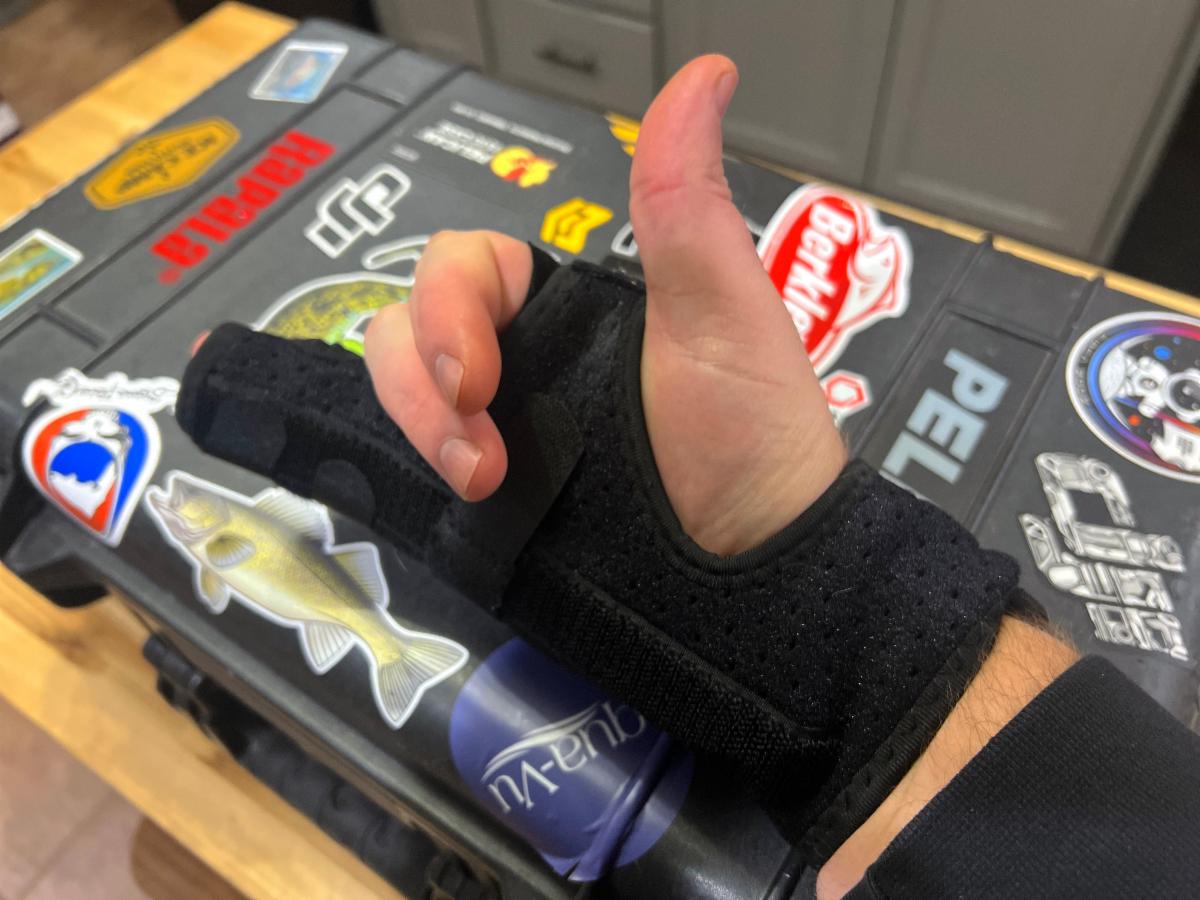
My apologies that today’s TW is coming at you off schedule compared to ‘the yoozsh’ 🤦♂️ but I had a little mishap that's made things move a bit slower.... Please consider this my doctor’s note excusing the tardiness:
|
|
|
Always something! But all good. I checked and a XXXL chopper should fit over it. 😅 And thank goodness the new StrikeMaster Maven 40V is so light and smooth, otherwise there'd be no ice fishing for 3-6 weeks lol.
|
|
How Jason Mitchell targets shallow-water walleyes
|
|
|
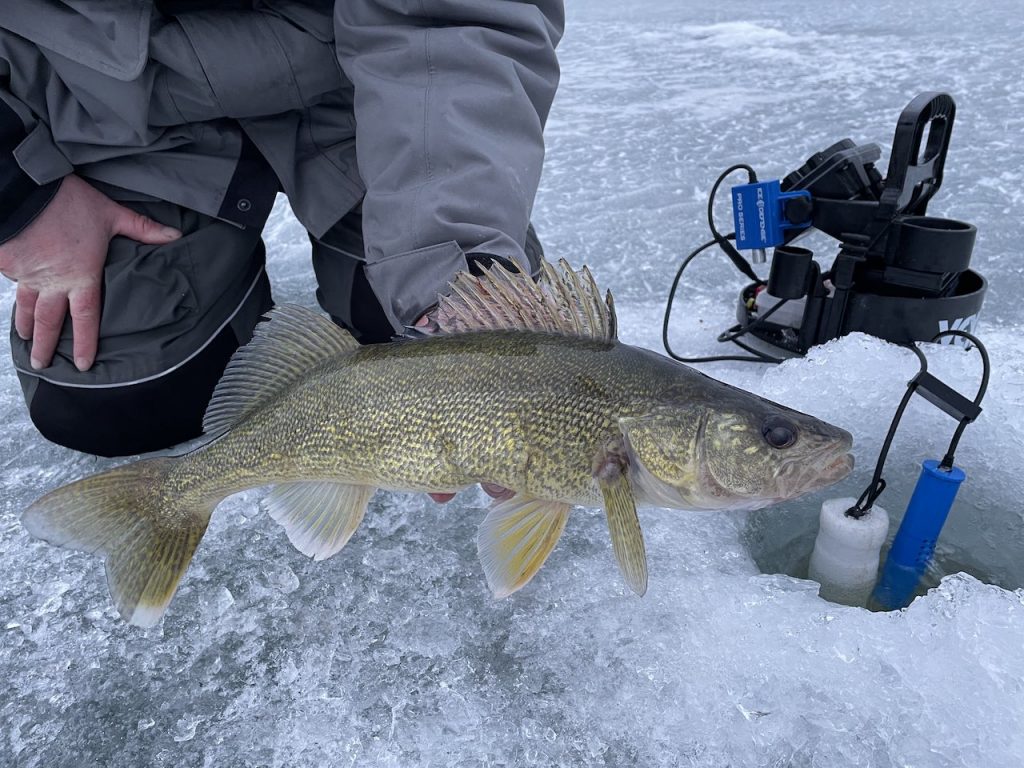
According to the 🔨 Jason Mitchell, some of the very best walleye patterns on many different systems across the Midwest – particularly at early-ice – are happening in less than 6’.... 👀 There’s a lot more info in Jason’s full Virtual Angling write-up here, but gonna plop a few excerpts below to get you started:
|
|
|
> Jason: Shallow is relative...10′ might be shallow on some bodies of water...other fisheries the basin or deepest water available might only be 10′. We often catch walleye in shallow water, but how shallow? A mistake I’ve made over and over in my own life is sometimes not fishing shallow enough.
> ...if you see extremely shallow patterns unfold on a fishery during the open-water period, you better anticipate some of the same skinny-water patterns under the ice.
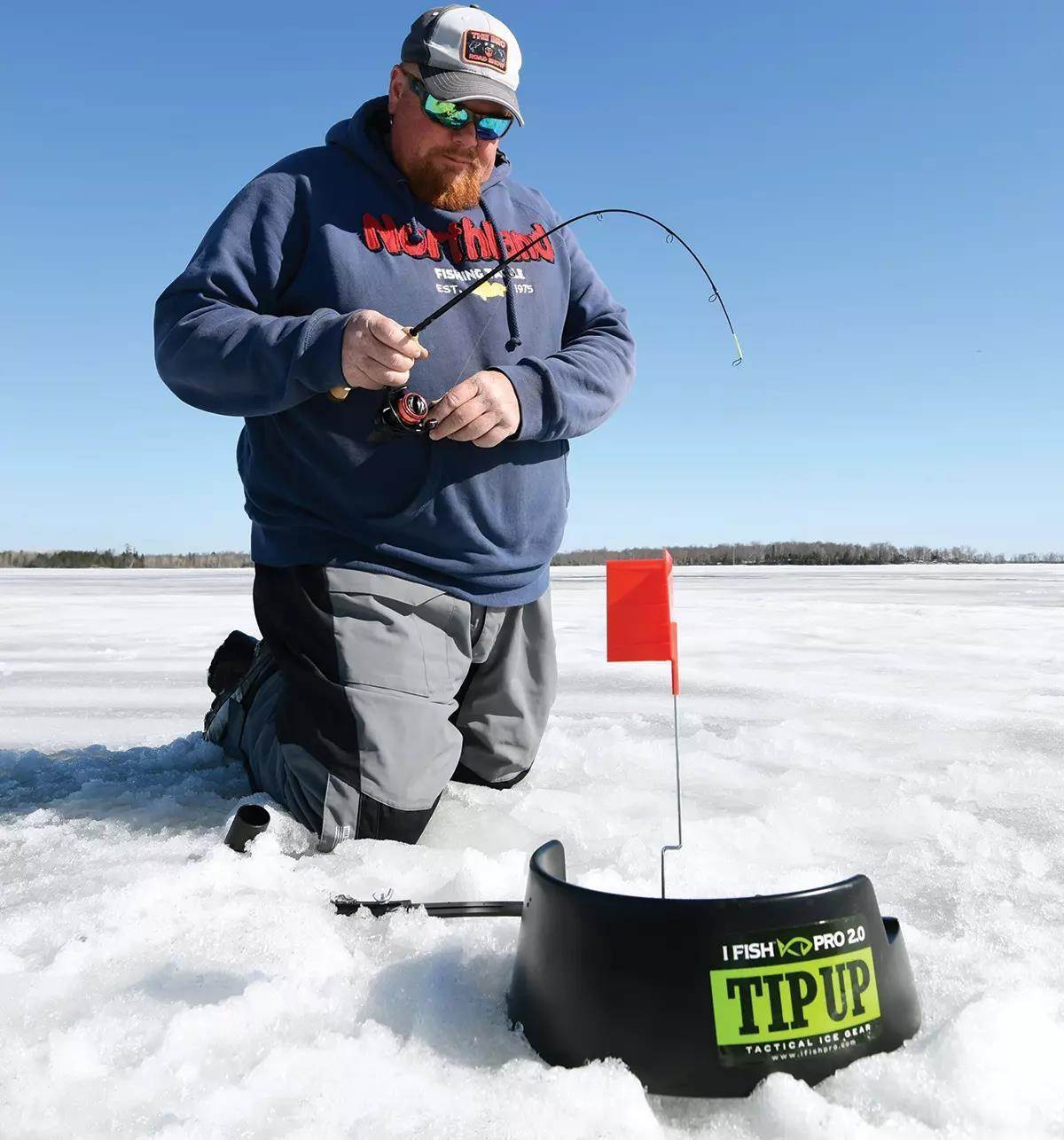
> The toughest conditions seem to line up with a little bit of clear ice in clear water. These fish seem to be the most sensitive. Catching fish in shallow water during these conditions is often a low light affair and you must make a conscious effort to be quiet. Drill your holes ahead of time and keep your lights limited to head lamps that you can turn on and off. Take your ice cleats off and try not to make a lot of noise, settle down into an area and let the fish come to you. Tip-ups and extra lines set remotely can be important. The bite will often occur in the dark.
> Stained water, cloudy ice and simply more ice however can make these fish much more tolerant of noise and what you can get away with. Not all shallow walleye patterns require stealth mode but universally, a lot of big vehicle traffic seems to shut down every shallow walleye bite we have ever seen. Therefore it is so important to be the angler that finds the fish first. With shallow walleye, you won’t get there in time if you are waiting for reports.
> ...these fish are often simply aggressive. You’re not working with much water so when these fish come in and punch a spoon or glide bait 3′ from the end of your rod, the hits feel electric. The fish fight hard and are still full of energy when you bring them topside.
> A challenge when fishing for walleye in such shallow water is simply dumping fish at the bottom of the hole when they hit the ice. Can also be a challenge navigating big fish up a hole when dealing with less than 6” of ice. These fish can back up and leverage their tails against the bottom of the ice. Almost must just plan to get your hands wet for big fish where you reach down below the ice and simply pin them to the side of the hole or get ahold of the gill plate.
> ...upsize those treble hooks on your lures [when fishing skinny water]. Take about any spoon or glide bait and double the treble hook size. Seems like overkill but that larger hook and wider gap will keep fish pinned up much better when they hit the bottom of the ice. When dealing with a few feet of water, these fish will often hit the bottom of the ice basically when you set the hook. This isn’t a situation necessarily for finesse unless you are using live minnows below tip-ups and are simply letting the fish swallow the minnow.
> Because these fish are often so aggressive, match your presentation and cadence to the attitude of the fish. Ring the dinner bell. Pound the lure with hard cadences. These fish are looking for a meal, they are looking for you so make sure fish can find you.
> Use a rod with plenty of backbone just so you can get the right pound on the lure and drive the bigger hooks into fish. In such skinny water, my best cadence is often just a hard 6” knock where the lure bounces hard in a tight area.
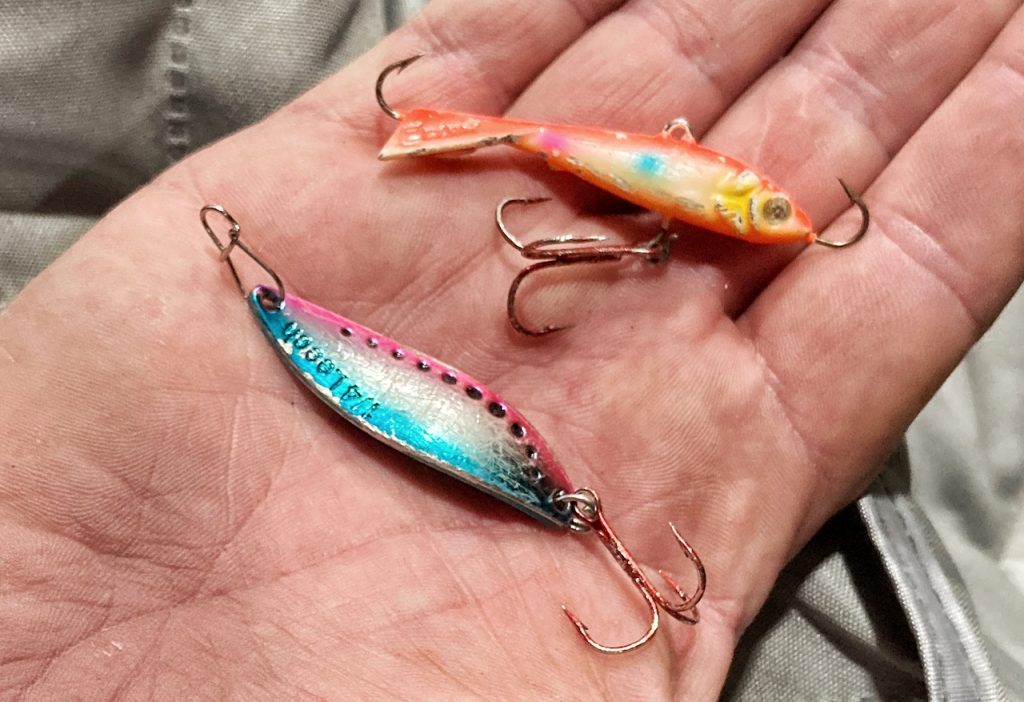
Couple of Jason’s favorite skinny-water baits are the Clam Tikka Mino (top/right) and the Leech Flutter Spoon (bottom/left). Would love to know how many fish he’s caught on these specific ones! #ChewedUp
|
|
|
> Marking shallow fish with electronics can be tricky and some of these fish will just blow you up and surprise you where you don’t see them until they hit. Get your transducer as high as possible and learn to look for water displacement. Sometimes (especially with bigger fish) fish will dart in and out and as they move water and stir up the sediment on the bottom, that commotion can show up on your Vexilar as thin, choppy lines. Get ready. Even in 3’ of water, however, you are still going to have about a 1’ cone angle so get your transducer high, use the lowest power setting and you will be able to mark many of the fish.
|
|
Brian ‘Bro’ Brosdahl's set-line juice 🧃
|
|
|
Can’t talk ice fishing for walleyes without talking about those bonus setlines and Bro spills the beans in this In-Fisherman write-up, few excerpts below:
> How long should you wait to set the hook on a tip-up? Old-timers will tell you to smoke an entire cigarette after the flag trips, then set the hook. Of course, this can lead to gut-hooked fish, making release difficult. But there is a kernel of wisdom in this old-school approach.
> “Bro: When a walleye hits, you need to give it a little time, especially if you’re using large shiners, suckers, or rainbows. Walleyes kill their prey, but they don’t have crusher pads in their throats like bass or catfish. Their throats are just a soft membrane, so they take their time killing prey before they swallow it. Often, during the killing process they squeeze the minnow until it stops moving, turn it in their mouth, then swallow it.”
> Brosdahl believes too many ice anglers set the hook when the walleye is still in the killing stage and then the fish swims away unhooked, leading to frustration. While the walleye fully intended on eating the bait, it was just going through its feeding routine, and the hook was set prematurely. “Give the walleye anywhere from 30 seconds to over a minute, depending on the size of the minnow.”
> He uses 50-lb braid so it doesn’t burn fingers when retrieving hand-over-hand. To the braid he attaches a barrel swivel, a 6- to 8-ft, 5- or 6-lb Sunline fluoro leader, and a neon-colored slipbobber knot to mark his depth positioning. He also uses a medium-sized split-shot to pin the minnow in place.
|
|
|
> At the business end, he snells a Gamakatsu Octopus Hook for smaller- to medium-sized minnows...with bigger bait, he uses a Gamakatsu Walleye Wide Gap Hook. “I like fluorescent and red hooks,” he says. “Sometimes I add a little bead above the hook for added attraction. You’re fishing vertically so you don’t have to tie the bead in. It just sinks down to the hook. Dorsal-hook a minnow and set it 6 inches off bottom. In gin-clear, zebra mussel-infested waters, I might run the minnow a foot and a half off bottom.”
> But walleyes don’t always feed near bottom. Especially if you’re using forward-facing sonar like Humminbird MEGA Live, you might notice that walleyes are cruising 4-5’ off the bottom, so you need to set your bait accordingly. “You don’t want to fish under the walleyes,” Brosdahl advises. “You want your bait at their level or slightly above.
> “And here’s the kicker tip. If you’re fishing an 8-10’ flat, don’t be afraid to set one of your tip-ups just off the nearest drop-off over the 30-40’ water at the same depth as the shallower, adjacent flat. You’d be surprised how many walleyes don’t run along the bottom of the break into the basin. Instead, they suspend high in the water column at the same depth as the nearby flat.
> If Brosdahl is fishing a clear lake where walleyes are fussy, he’ll rig a deadstick with a red #4 Gamakatsu Octopus Hook, often sizing down to a #6 or #8 if the fish are spooky.
> For his deadsticking routine, he’s been using the same simple and economical technique for over 30 yrs. “While deadstick-assisting devices and baitfeeder reels have become all the rage, I prefer to deadstick the cheap and old-fashioned way. I put a rubber band on the handle of my St. Croix Dead Eye rod, flip the bail open, take a little bit of the line out, and tuck it under the rubber band – then, when the fish hits, it pulls the line out from under the rubber band and can run freely with the minnow.”
|
|
|
Lethal little tip-up setup from Pat Kalmerton in this In-Fisherman write-up, few excerpts below:
> Pat Kalmerton of Sheboygan, Wisconsin-based Wolf Pack Adventures will be the first to tell you tip-up fishing is a surefire way to cover lots of water quickly and ice more walleyes and perch. “I’ve had the opportunity to learn tip-up secrets from seasoned ice anglers that would have taken years to figure out by trial and error,” Kalmerton says.
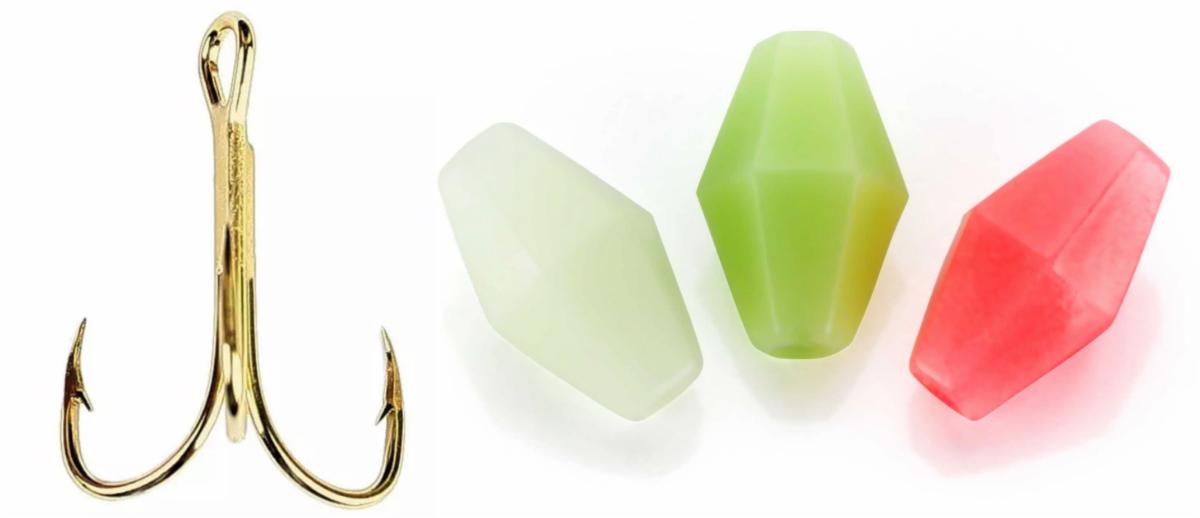
> He says there’s a time and place for big hooks, but when fishing for numbers of “eater” walleyes and perch, go smaller, like his favorite – a flashy, gold Eagle Claw #16 treble.
|
|
|
> “I load the tip-up spool with 30-lb tip-up line and tie on 8 to 10 feet of 8-lb Trilene 100% Fluorocarbon to a smaller barrel swivel. Make sure to tie the fluoro side first so you don’t have to run the whole tip-up through the Palomar knot loop. Then I slide one Owner glow bead up the fluoro and connect the #16 gold treble with another Palomar, sliding the bead over the knot. I attach a split-shot just heavy enough to keep the bait in a small strike window 6 to 10 inches above the hook.
> “Again, with regard to small treble hooks, the fish doesn’t spit the bait because it doesn’t feel the metal. As soon as I feel weight, I reef on ‘em hard. Chances are you’re going to get a good gullet or corner-of-the-mouth hook-set because that fish is committed to your bait.
> “A lot of people get turned off to tip-ups because they spend all day in no-man’s land. Or setting tip-ups right on top of weeds, which can result in a tangled mess that fish pass up 9 times out 10. So study your body of water and formulate a game plan with the Navionics or Humminbird [One-Boat Network] app.”
> Locations like green vegetation, breaks, river currents, bottom transitions, wood/brush, and rockpiles draw baitfish. Where you’re allowed more than one setline by law, fish different locations along any given structure, spreading them out as far as your state regs allow. Imagine the ice as a grid, and position your setlines out from your base along a break at different depths.
> ...also uses electronics to find baitfish to pinpoint where in the water column fish are feeding. For example, in late winter you may find that fish are up high and close to the ice, looking for water with more oxygen.
|
|
Christmas gift ideas for walleye/ice anglers 🎁
|
|
|
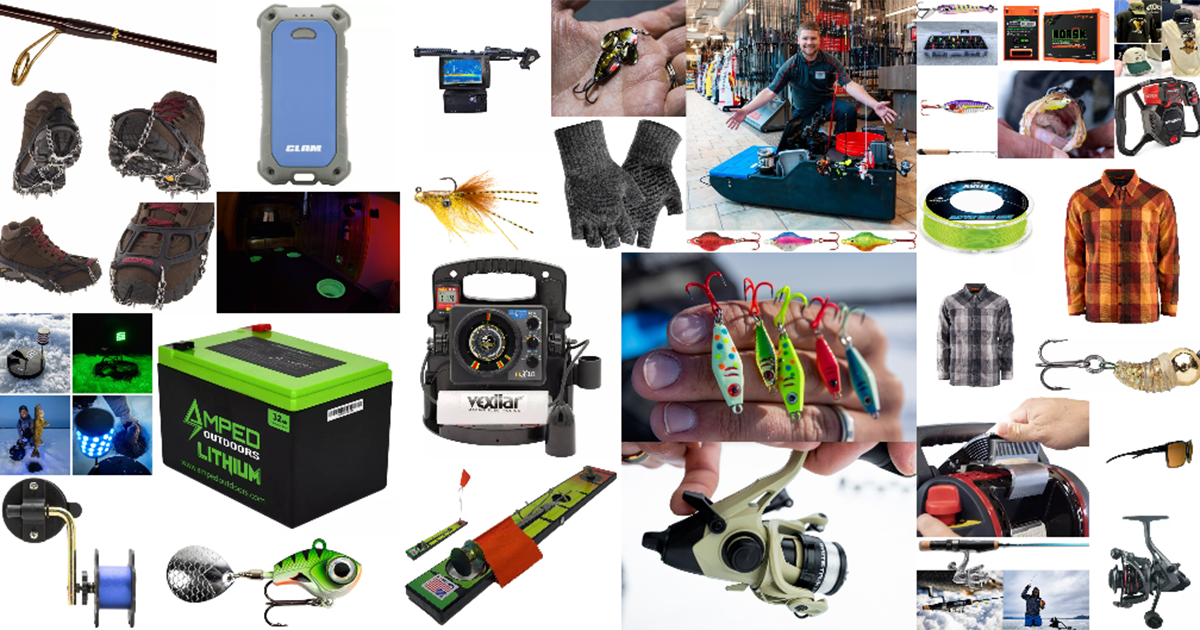
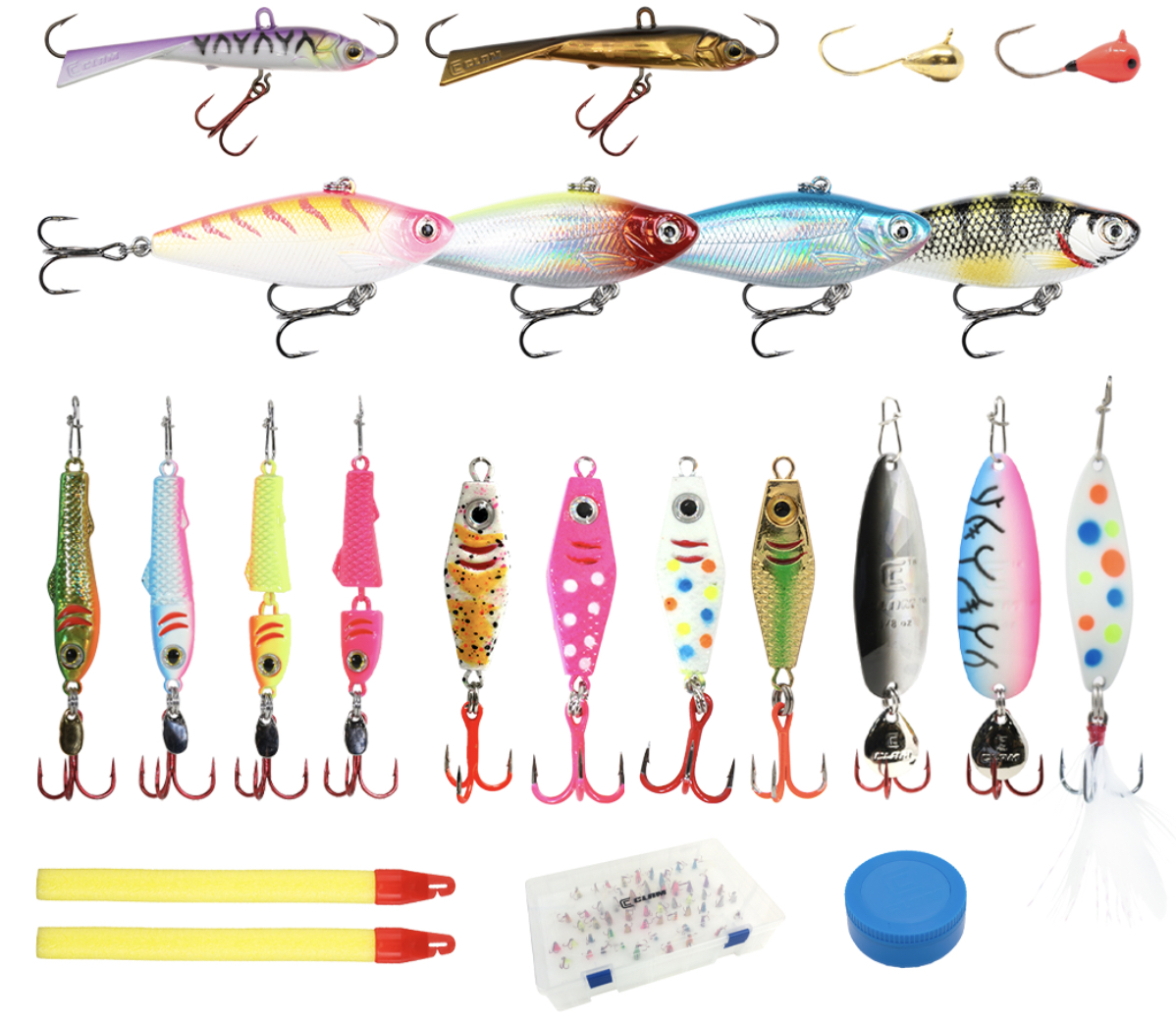
Have a fisherman/woman on your Christmas shopping list? Here’s some great NEW stuff they absolutely “need” (lol) in our special ice-fishing baits and gear issue we sent out last week! Click the pic below for the full rundown:
|
|
|
2. MN: St. Paul Ice Show, Dec 5-7
Something a lot of folks call “the Super Bowl of ice shows” takes place each year at the St. Paul RiverCentre, where you can “shop more than 190 exhibits with products and services dedicated to the die-hard ice fishing and winter sports enthusiast.”
We’ll be there roaming the show floor. 👍
3. MN: Mille Lacs winter regz finally set
> Walleye: ...limit for ice fishing season on Mille Lacs Lake will remain at 3 fish longer than 17”, only 1 of which can be longer than 20”.
> Perch: ...the daily and possession limit will be 10. The change is a shift from last year, which began with a perch daily and possession limit of 20 that had to be reduced to 5 after the state in early March, exceeded its harvest allocation. The daily and possession limit of 10 is intended to provide state anglers the opportunity to harvest a meal of perch while also keeping the state within its harvest allocation.
4. MN: Automatic hook-setting devices allowed NOW
> Non-motorized devices that set the hook using the force of a spring device or the force of a bent fishing pole are now legal for use in MN while ice fishing. The hook-setting component of any device must be non-motorized. Motorized jigging devices that are not designed to set the hook are considered legal. The device must not be capable of automatically reeling the fishing line or retrieving fish.
> These devices are triggered automatically when a set bait is hit by a fish. They are typically used with a “tip-up” type angling device and may reduce the number of swallowed hooks, reducing hooking mortality.
> All other fishing regulations still apply while using automatic hook setting devices and automatic jigging devices. Importantly, as is required with all tip-up use, the angler must be within 200 feet of the tip-up and not leave them unattended.
Also means you’re gonna want to add some JawJackers (top) or Clam Predator Tip-Ups (bottom) to your ice arsenal before they're sold out state wide!
|
|
|
Those JawJackers are a tried and true option that's been around for roughly 18 years.
Folks have been raving about the new-ish Clam Predator Tip-Up the last couple seasons.
It’s designed to be used as both (either) an automatic hook-setting device or as a traditional tip-up flag system. So best of both world.
Cool-looking design that can do it all if you travel to fish in different states/provinces. Even if you are in a state that does allow automatic hook-setting devices, there are times when using big suckers or deadbait that you actually want the fish to be able to eat it for a bit before setting the hook.
Couple more quick details:
> ...has an adjustable sensitivity and power setting so ice anglers can set how much force they would like [both for bite detection and hook-setting power].
> Ice spikes on the bottom of tip-up to hold it securely in place. Folds down for easy storage. Constructed of a heavy-duty nylon material. ...adjustable so it fits a variety of ice fishing rod lengths and actions....
Full rundown on the Predator Tip-Up in this video with fish-head Caleb Wistad showing how to set it up for fishing in either function.
|
|
|
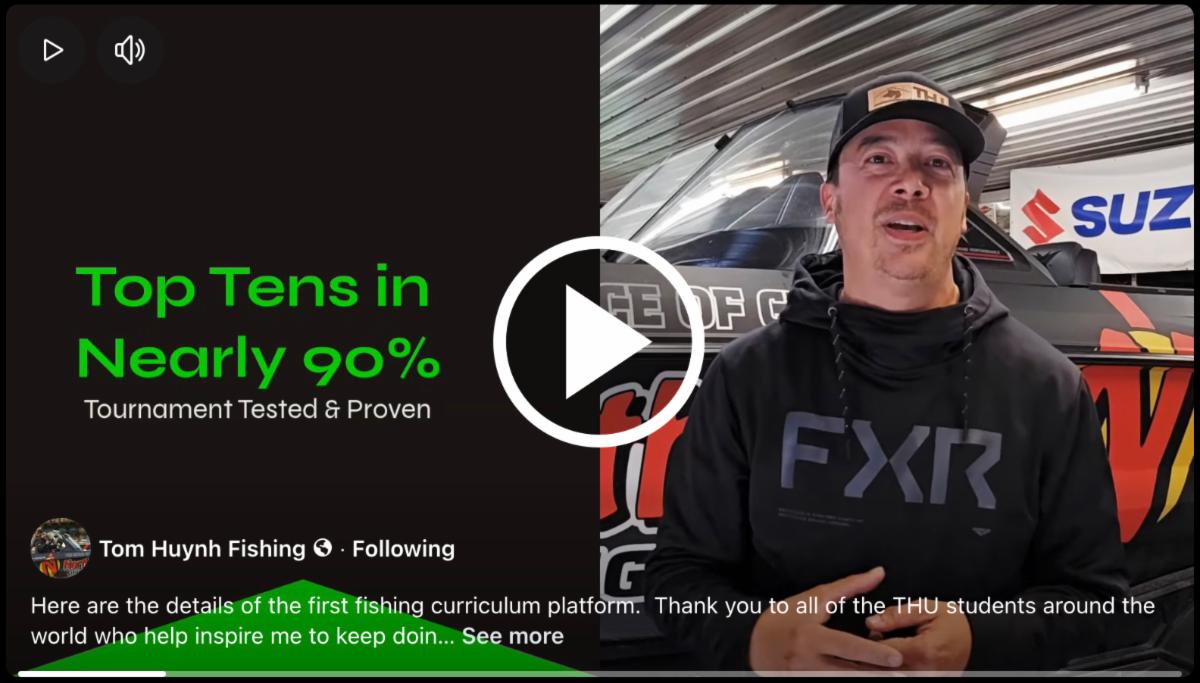
7. Tom Huynh University just leveled up
Now featuring a community where you can share, learn, and connect with Tom and fellow anglers! ‘Cuz: “You spend thousands on equipment, so why not invest in learning how to use it?” More info on what THU is all about in this new vid:
|
|
|
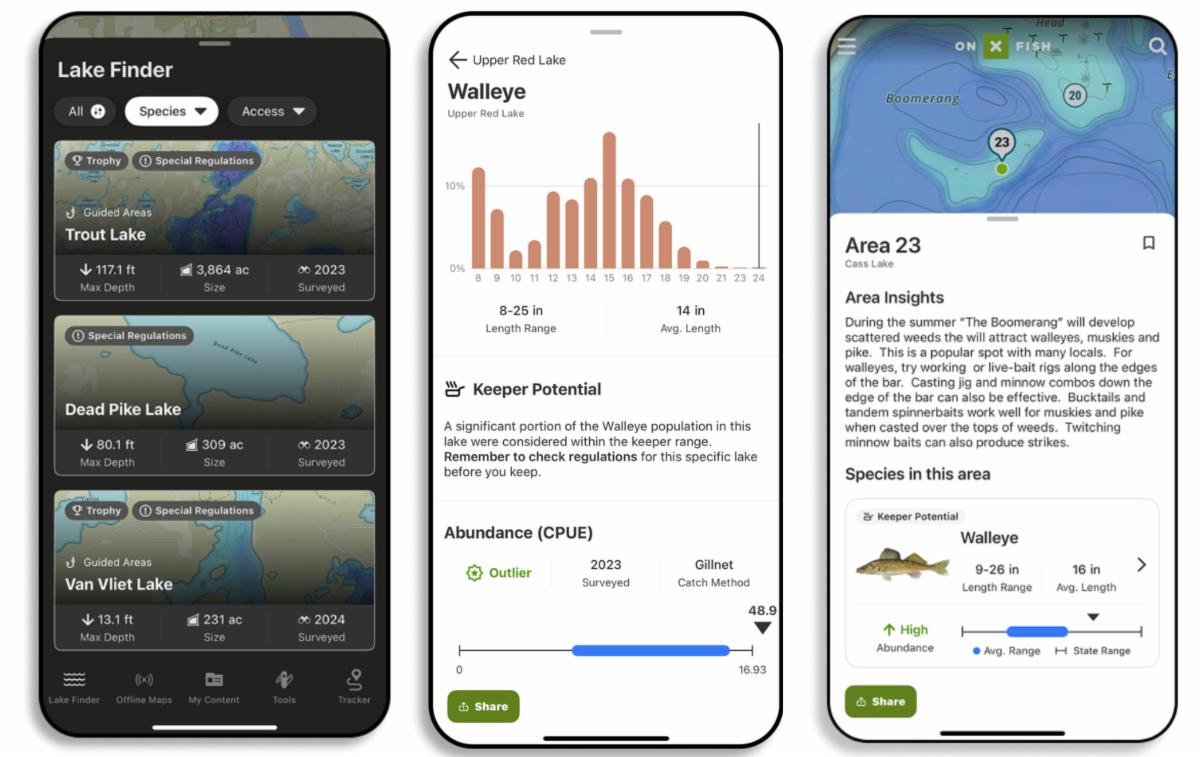
It’s literally a cheat code for researching fisheries (e-scouting!) and finding your new favorite honey hole. The onX Fish app has powerful filtering tools to search by species, trophy potential, high stocking effort, keeper potential, and/or high abundance, and then quickly see lakes displayed on the map that meet your search criteria.
|
|
|
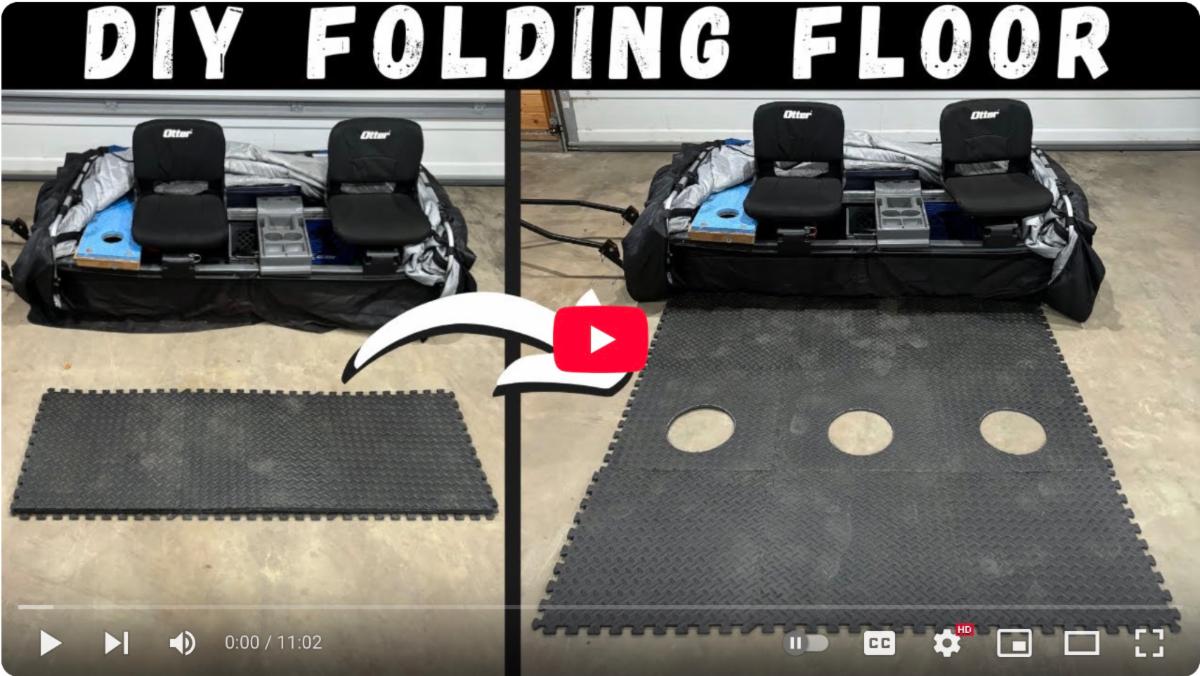
DIY floor for flip-over ice fishing shacks
Some more ice gear tinkering while you’re waiting for things to thicken up! This time it’s my bud TJ Erickson breaking down how he made an insulated floor for his flip-over shack last season that packs down and sets up FAST.
|
|
|
Saw it in action when I hit the ice with him last season and immediately knew I had to make one for my Clam X200 Pro XT Thermal flip-over. Super slick!
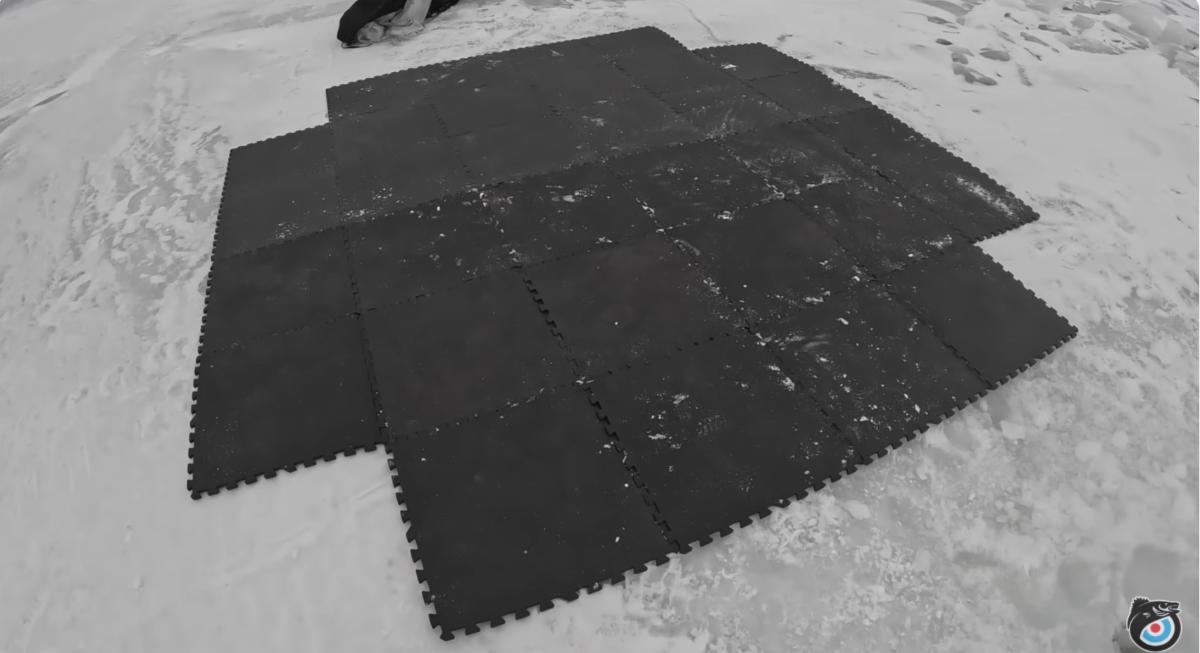
I also wish I could just Flex Tape this whole setup together 👇 32 foam floor mats that I spread out for my Clam X-600 Thermal hub house while ice camping. Crawling around on all fours to piece it together is a pain in the tuchus...
|
|
|
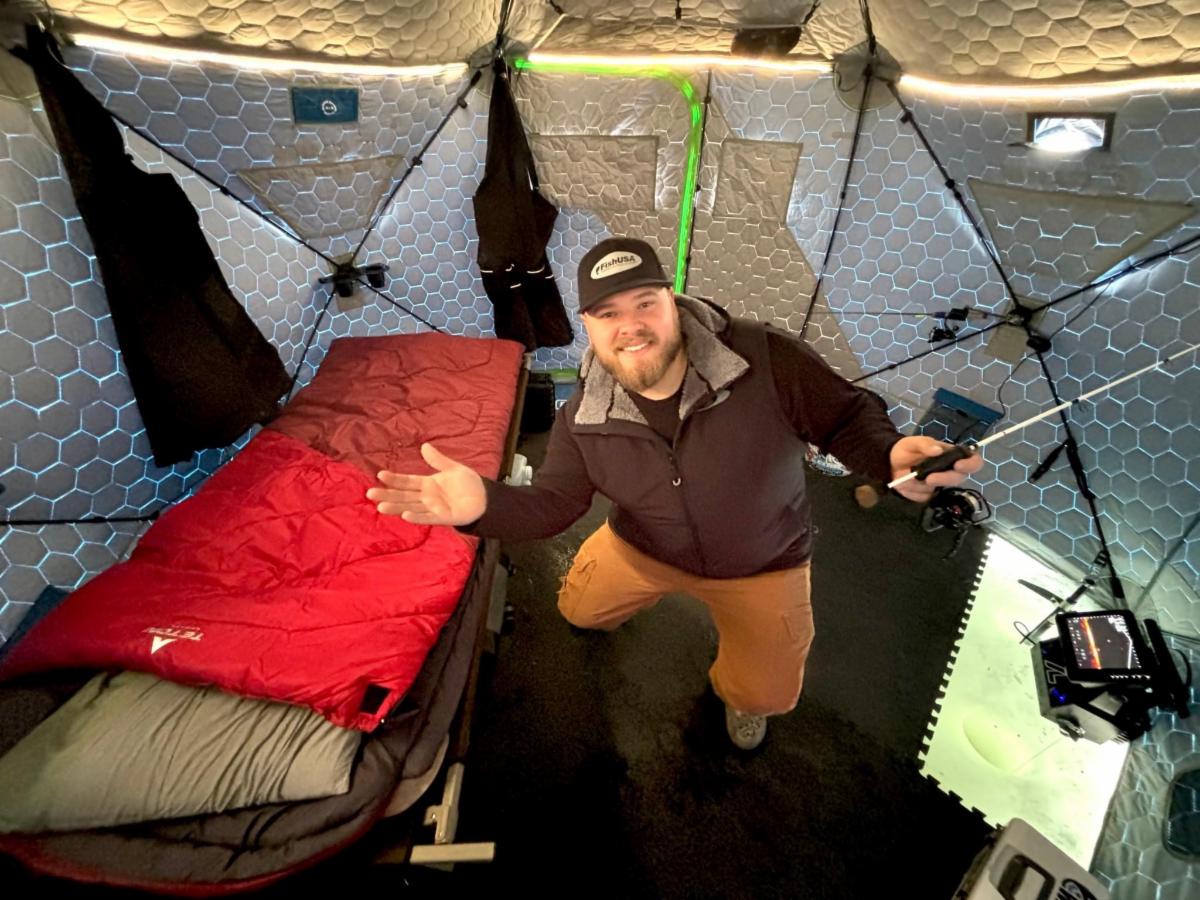
...but soooo worth it in the end if you’re sleeping on the ice!
|
|
|
Legit cannot wait to do some more ice Clamping!
|
|
|
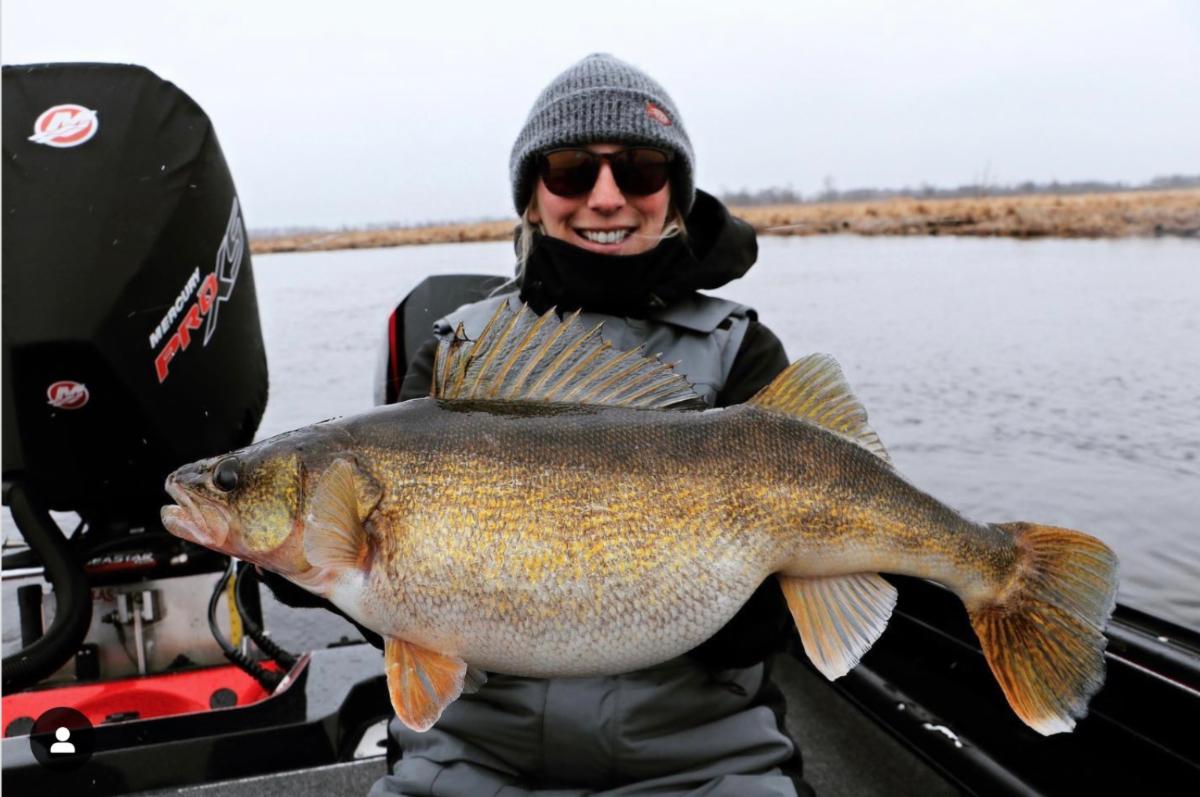
“Time to start putting on that winter weight.”
- That’s Kaitlin Woodward talking about this pic of a THIIIIICK Green Bay fall’eye she sniped off of Humminbird Side Imaging. 😳 Thing legit had me speechless first time I saw it, which doesn’t happen often lol. Enjoy:
|
|
|
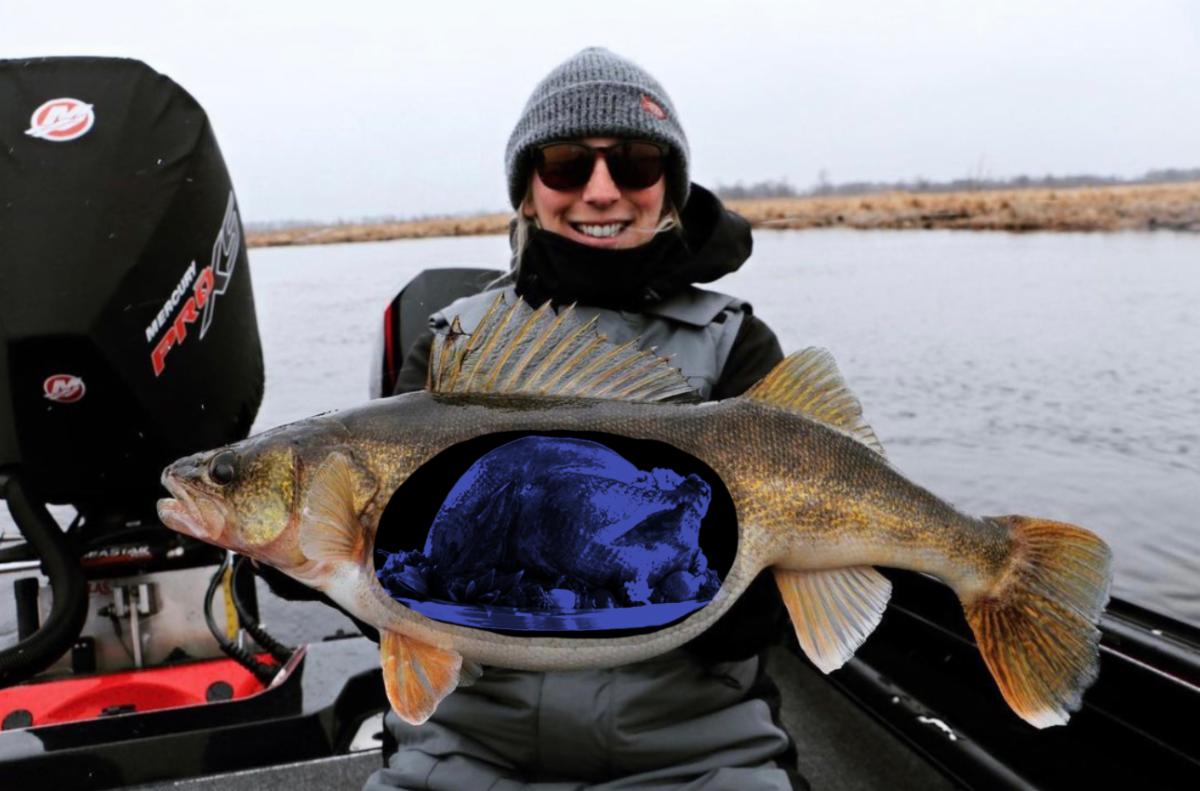
So that’s where all the Thanksgiving turkey went...
|
|
|
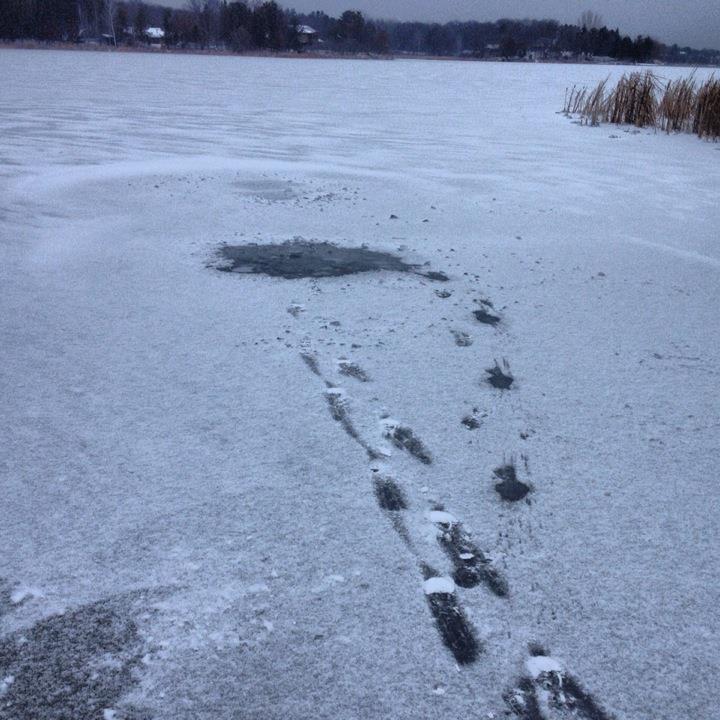
Here's the ice-fishing version of the "walk of shame." 😅
No, it wasn't me. I went down to check the ice at a little lake and the guy was just scooting back up the access. One good swing with a spud bar could have prevented the wet feet (or save a life):
|
|
|
Everyone PLEASE be SAFE this season!
|
|
|
Sign up another fish-head!
If you're forwarding Target Walleye to a friend who loves to walleye fish or want your fishing buddies to get these emails, just send us their email addresses and we'll take care of it! (We won't sell the addresses, use them for spam, etc.)
|
|
|
FRIENDS OF TARGET WALLEYE
|
|
|
Target Walleye – walleye during open water and all species during hardwater – is brought to you by Al Lindner, Jay Kumar, Chris Philen, Brett McComas and other diehard fish-heads like you!
|
|
|
|
|
|
Brett McComas is the main man for Target Walleye He was discovered in Brainerd, MN after years of wondering how in the heck people break into the fishing biz. He's in it now, but still can't answer that question.... Brett is one of those guys who majored in marketing, only because there was no such thing as a "fishing degree" at the time.... Get him at brett@targetwalleye.com
|
|
|
|
|