|
It's 9/11 today. Even if you forgive, never forget. Crazy to think it’s been 25 years since the world stopped turning. If you’re the praying type, fire one off for the folks who lost their lives that day, their families, the survivors, our soldiers and first responders and their families.
|
|
|
Now let’s talk fishing....
|
|
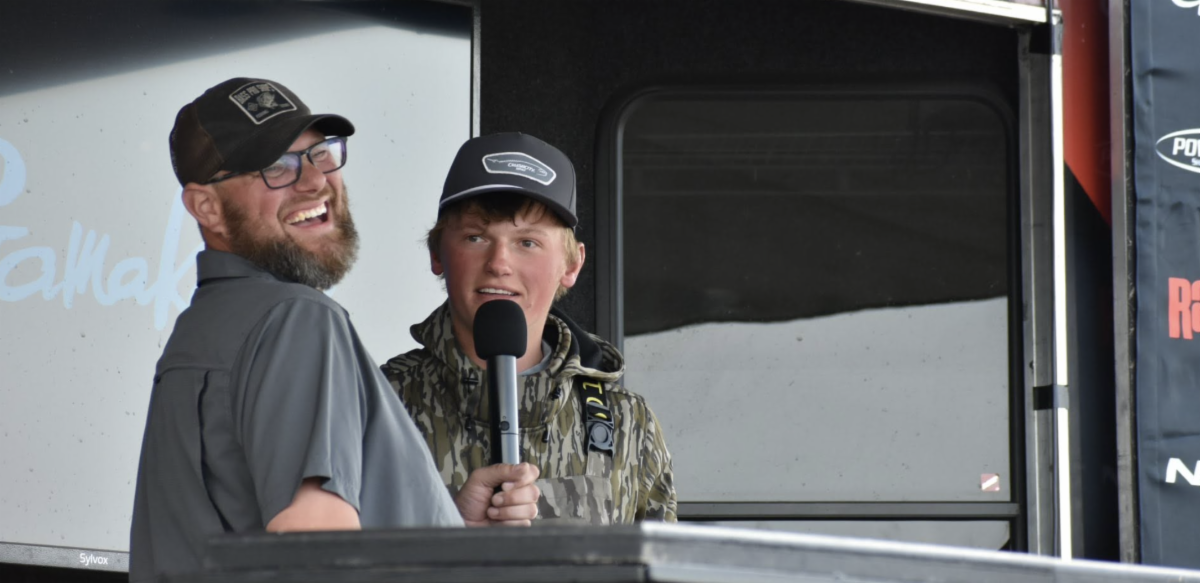
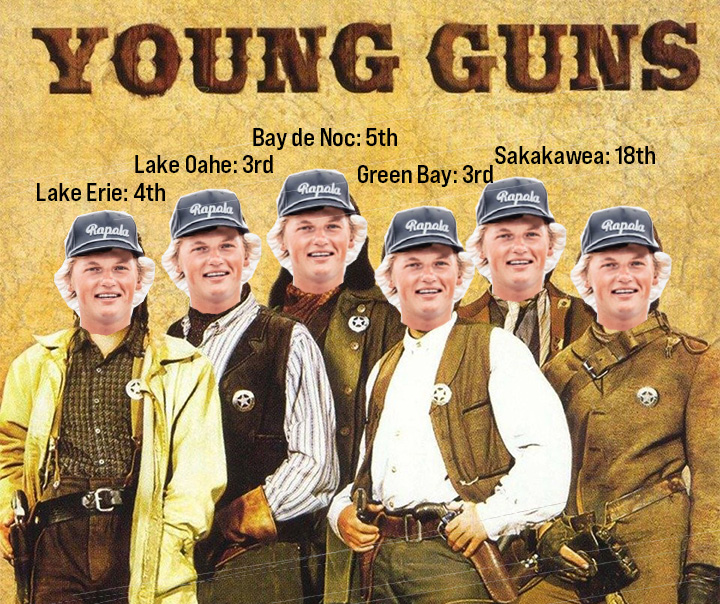
10 Qs with your NWT AOY, Beau “Young Gun” Schilling
|
|
|
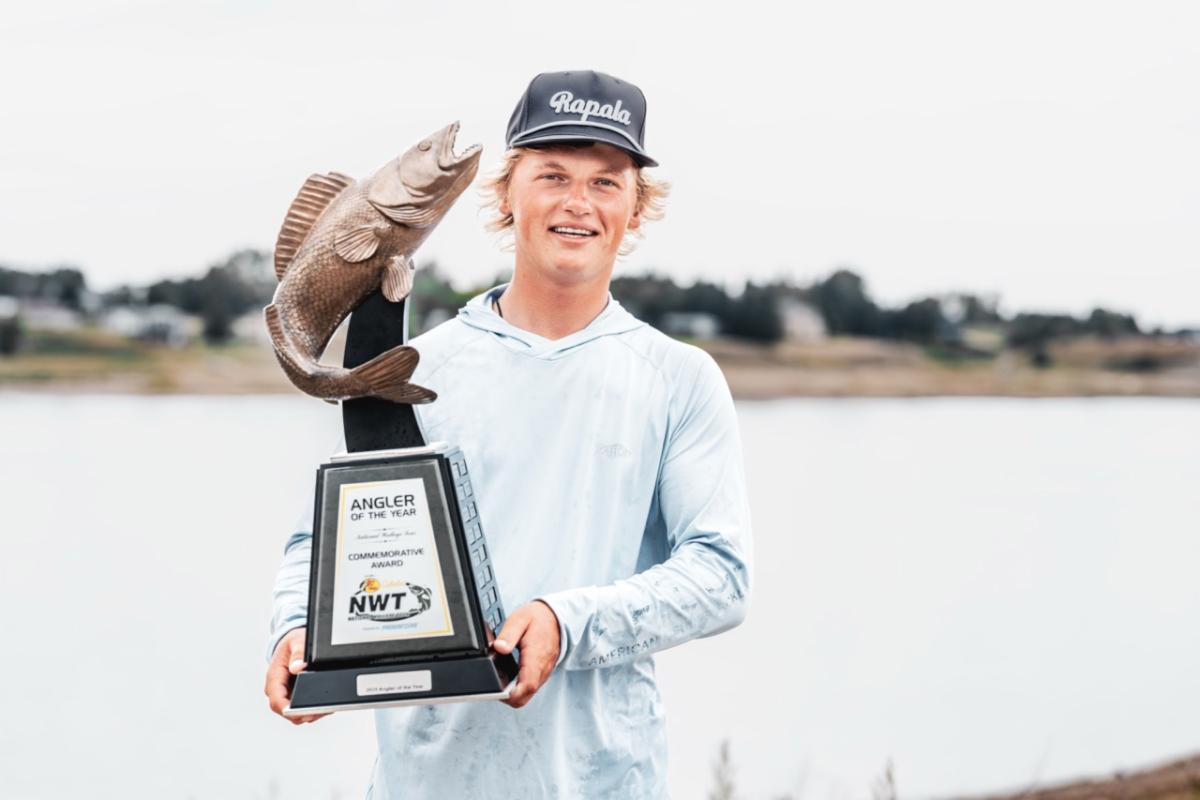
Another huge congrats to Beau Schilling for becoming the youngest angler (19) in NWT history to claim the 'Angler of the Year' title!
Well, we only felt it appropriate to give Beau a shout to get the full scoop on the young gun's season. Here's 10 with Beau:
1. What was a big key to your consistency this year?
> "I'd honestly say just being able to adjust on the fly and covering as much water as I can.
> "A lot of the bodies of water we went to, I had no idea where I was going when I showed up, and stuff changes quick. So just being able to adjust on the fly and cover as much water is probably my biggest thing."
2. So you didn't know where you were going at a lot of these places?
> "No, I don't really talk to very many people before I go somewhere. Sakakawea, both Green Bay events and Erie were new to me. Really the only place I'd ever been was Oahe on the schedule this year."
3. How do you break those places down when you're essentially going in blind?
> "I went pretty early to all the events. They didn't have any restrictions on pre-fish, and that obviously helped a lot.
> "But just being really consistent with your pre-fish, not wasting a whole lot of time, putting in long days and never taking your trolling motor off 10 pretty much.
> "It was just a lot of learning. Once you learn something small, you can use it somewhere else."
4. When you're breaking down a new place, are you looking more for good areas or that spot-on-the-spot?
> "We look for a little bit of both. We always say we look for a home-run bite. It's rare you ever find something like that where it's like, 'I can win this tournament for sure.'
> "But it's more of an area usually. There's a couple spot-on-spots, but usually with the bigger bodies of water, it's a pretty general area."
5. What was the biggest thing you learned this season?
> "Honestly, how crucial live bait was this year. I'd never really thrown live bait until this year. I was more of an artificial guy, but it definitely plays a huge role in the tournament game now."
|
|
|
6. What was the hardest lesson you learned this season?
> "Probably keeping your head down when stuff goes wrong. If you let stuff bother you too much or get worked up at all, it can ruin your whole tournament.
> "Even when stuff tends to go wrong, you've got to be able to keep your head down and fish through it."
7. What's something you realize about tournament walleye fishing now that you didn't know at the beginning of the season?
> "There's a lot more breaking down and stuff than people talk about. There's a lot more headache than people talk about.
> "You don't really ever hear about the bad stuff, but there's a lot of small things with electronics and stuff that goes wrong. There's some days of practice where you only get to fish half a practice because you're fixing stuff the whole week.
> "And the financial side is pretty crazy too – how expensive it is to go be able to do this."
[He also said he's realized how much a walleye weigh in crowd like stand-up comedy. Exhibit A: 😁]
|
|
|
8. What's the biggest thing you've learned about walleye behavior this year?
> "Probably how inconsistent they can be. A lot of the places I've been before, all my bites have been pretty consistent. But when you get into huge bodies of water, it's pretty common to be inconsistent."
9. How do you battle those inconsistencies? Is it a gear thing or a mindset thing?
> "Definitely both.
> "It kind of goes back to that first question where I said you've got to adjust. Even though your fish are gone, you have to be really confident in your ability."
10. You're a young guy. What advantage does that give you when you're traveling around doing this?
> "You don't have kids. You're not married, and that obviously is a huge game changer. I don't have anything tying me or keeping me back home a whole lot.
> "I have a really great job when I'm back home. I work for my parents, and they let me go do this, so that obviously helps a ton too."
Huge props, man! Be on the lookout for the "Young Gun" next year! 😅
|
|
Beau's weapon of walleye destruction 🎯💣💥
|
|
|
Believe it or not (and believe it) Beau is new to the live bait game. 👀 He never really used it 'til he started fishing the NWT and then boom = AOY.
Couple more Qs...
Q: Being new to live bait, was there anything you felt like you did differently that helped you?
> "Just being really smooth with your crawler or whatever you may use, and not being jumpy. Being real smooth and not messing any fish up.
> "Even with live bait, if you jig it wrong or let it get too close to them, sometimes it can mess them up. Just being really, really smooth with it is probably my biggest thing with that."
Q: What gear was important for staying smooth with that crawler?
> "I throw that JTX Mag Light. That's probably the best crawler rod there is right now.
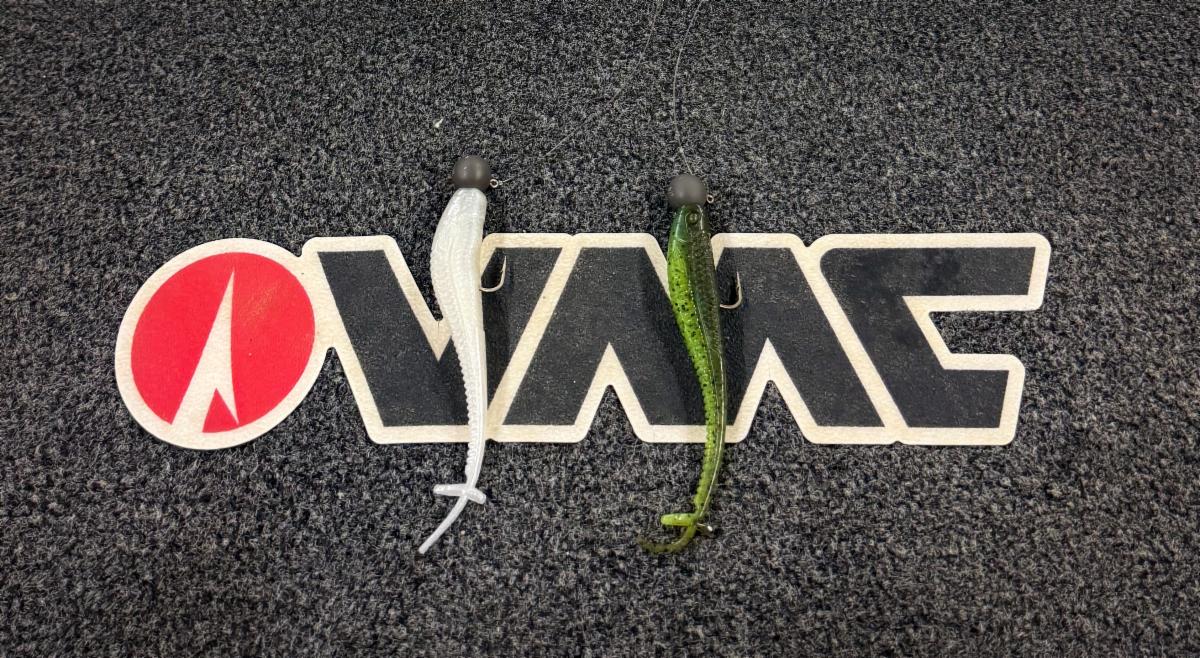
> "Then I throw that VMC Tungsten Moon Eye Jig, from an 1/8- to a 1/4-oz depending on depth, wind and everything.
> "You can slide the crawler up onto that jig and pinch it on there, and you can just throw a bomb and it doesn't ever slide off – that's really important.
> "Then just the sheer sensitivity on the JT is pretty unmatched. It is the best crawler rod I've ever picked up. I was lucky enough to be able to work with them now, but I was using them before I was able to work with them. They're pretty unreal."
Beau's Jig and Crawler Setup:
> 1/8- or 1/4-oz VMC Tungsten Moon Eye Jig, 12-20' leader of Sunline Shooter fluoro, 18.5-lb Sunline Almight braid, Shimano Vanford 3000 reel, 7' 6" JTX Mag Light,
And in a recent Target Walleye he said that when he's not throwing a jig and crawler, he's been throwing the Rapala CrushCity Mooch Minnow:
> " ...I just call it my reliable bait. It's never bad. It seems like it works everywhere I go.
> "The action, there ain't really a boot-tail fluke kind of like that. It's kind of in its own realm, so it's kind of unique and something they haven't seen before."
|
|
|
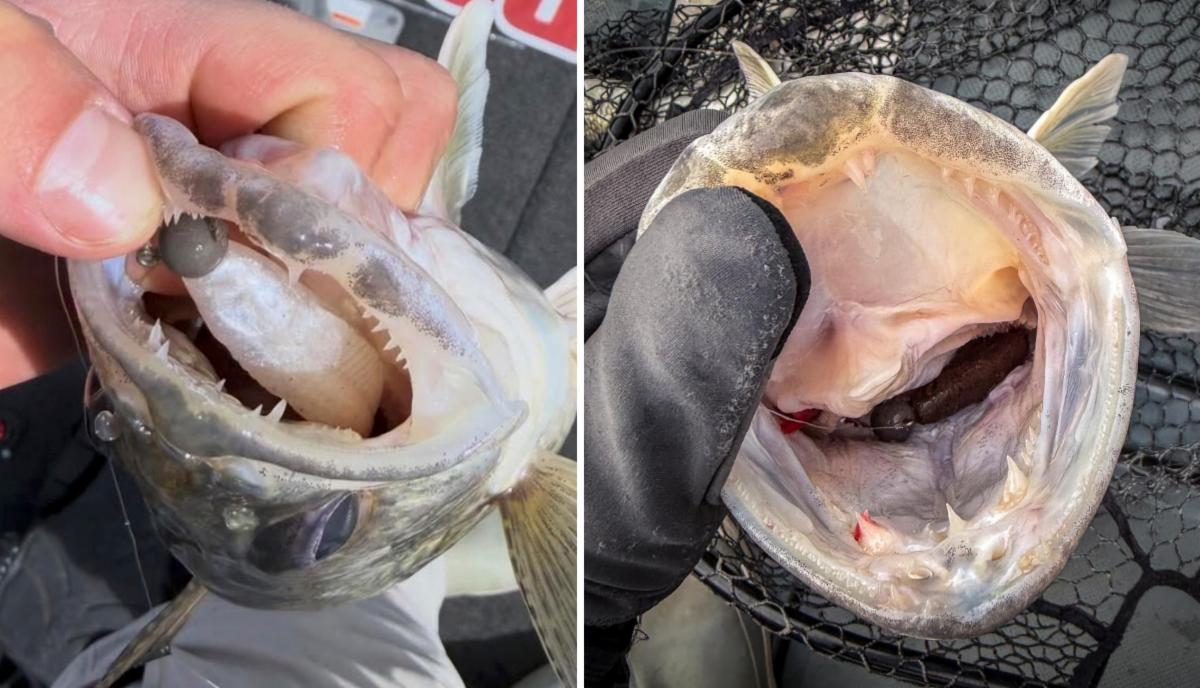
Said he throws a lot of whites, and then the green pumpkin chartreuse pepper and sungill colors. Know you're running the right program when they're eating it like this:
|
|
Confused by all the fishing line options on the shelf?
|
|
|
Well, there's about as many line options on Scheels now as there are urchin baits lol. And not every strand is made the same!
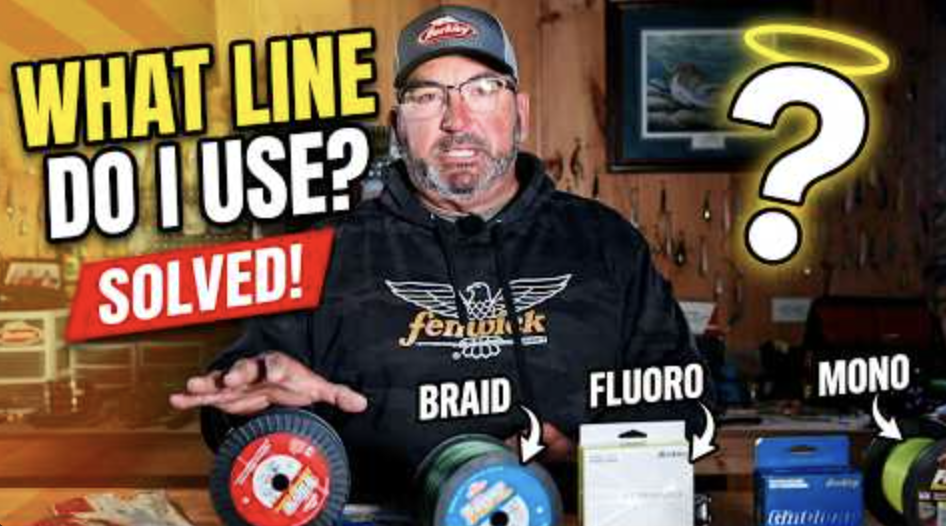
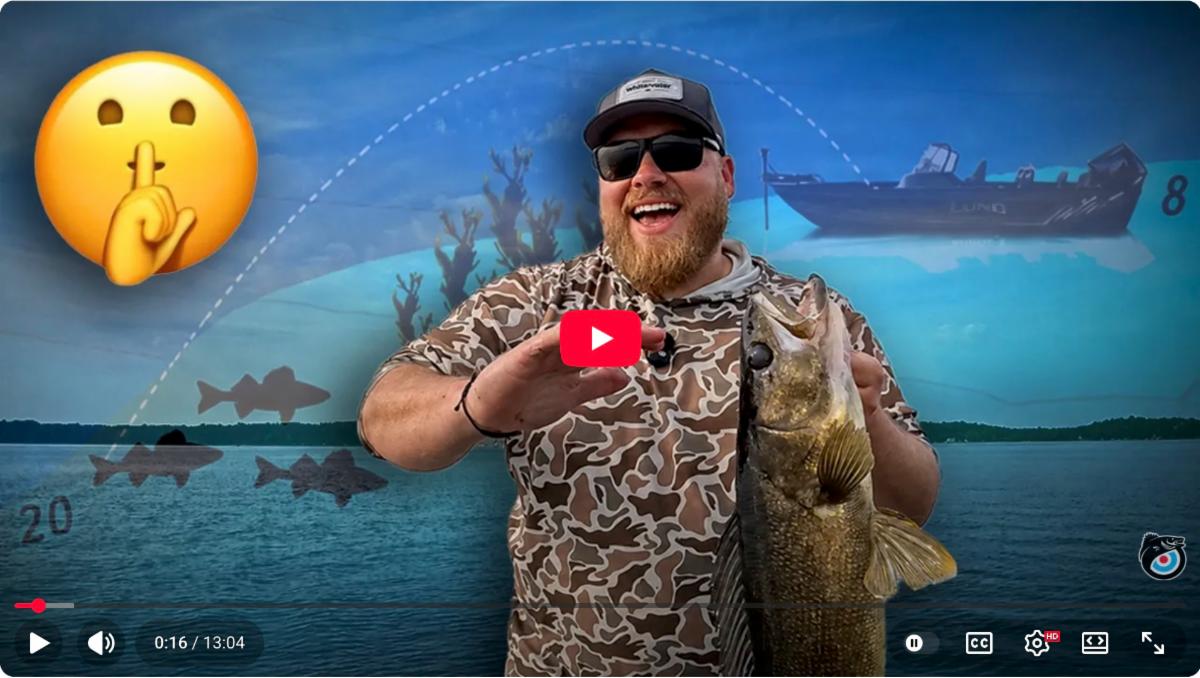
Thankfully, Tommy Kemos and The Next Bite posted a YT vid explaining why Tommy uses a few different types of line. Full vid here, but gonna plop a bit down below on the new-ish and new-er Berkley Forward braid and GinClear flouro.
Braid
> "Forward braid fills a different role. It's an extremely dense, compact, thin-diameter line that casts a mile, travels through the guides really well and comes off a spinning reel extremely smoothly.
> "I'm going to use Forward primarily for [FFS] situations or anytime I need extra casting distance and precision.
> "The tradeoff, in my opinion, is that it doesn't have the same abrasion resistance as FireLine. It's still very tough, but I'm more likely to use it for precision LiveScope situations where I'm throwing lighter baits – even live bait – and don't want the line restricting how accurately I can drop a bait on a fish or make a long cast to spooky fish.
> "Most of the time I'm running 8 or 10lb with both Forward and FireLine.
Fluoro
> "On the walleye side, most of us are spinning-reel users, so where I've traditionally used fluorocarbon the most is as a leader.
> "For years I've used Berkley [Trilene] 100% Fluoro – it's an extremely tough, abrasion-resistant fluoro. Now we also have GinClear.
> "GinClear uses Berkley’s proprietary formula with a level-wound process that creates a smoother, slicker surface. It ties great knots, handles really well and is a more supple fluorocarbon.
> "If I'm going to put fluorocarbon directly on a spinning reel, GinClear is going to get the call. It also works really well as leader material, while the traditional 100% Fluoro is still a great option when abrasion resistance is a priority."
He also said he likes Trilene XL for "really sneaky 1/16-oz or lighter walleye presentations". 👀
|
|
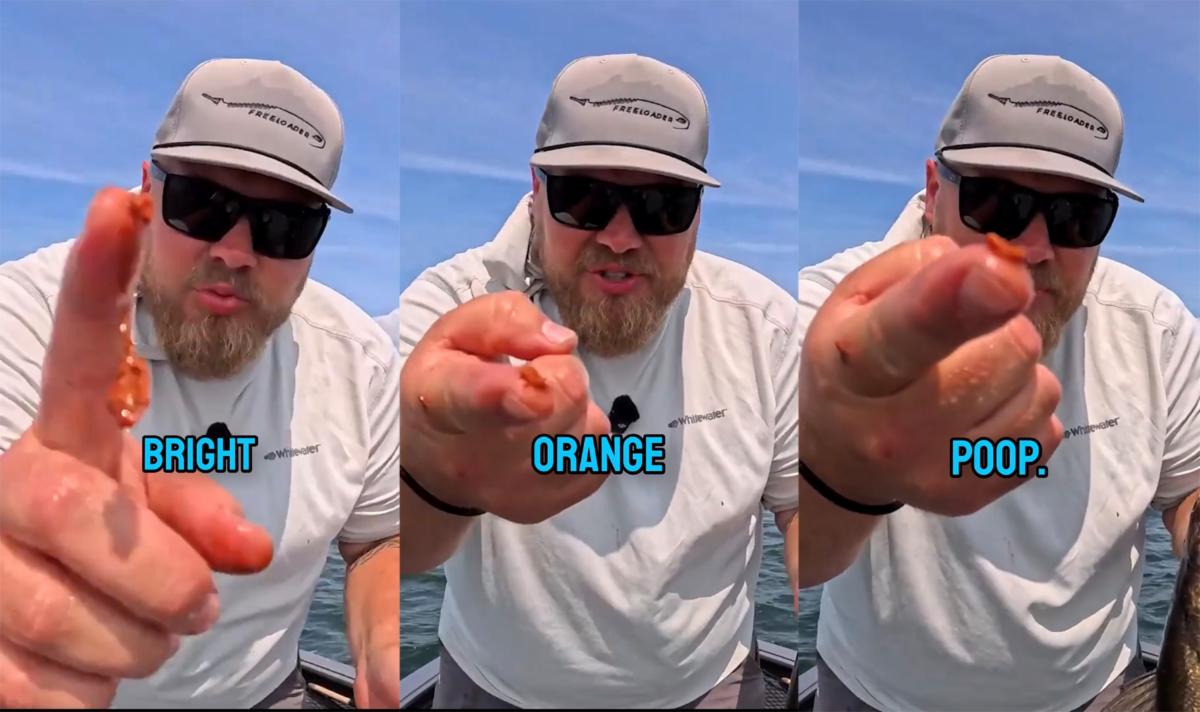
How do you know they're eating crayfish?
|
|
|
Well one way is to check out their...
|
|
|
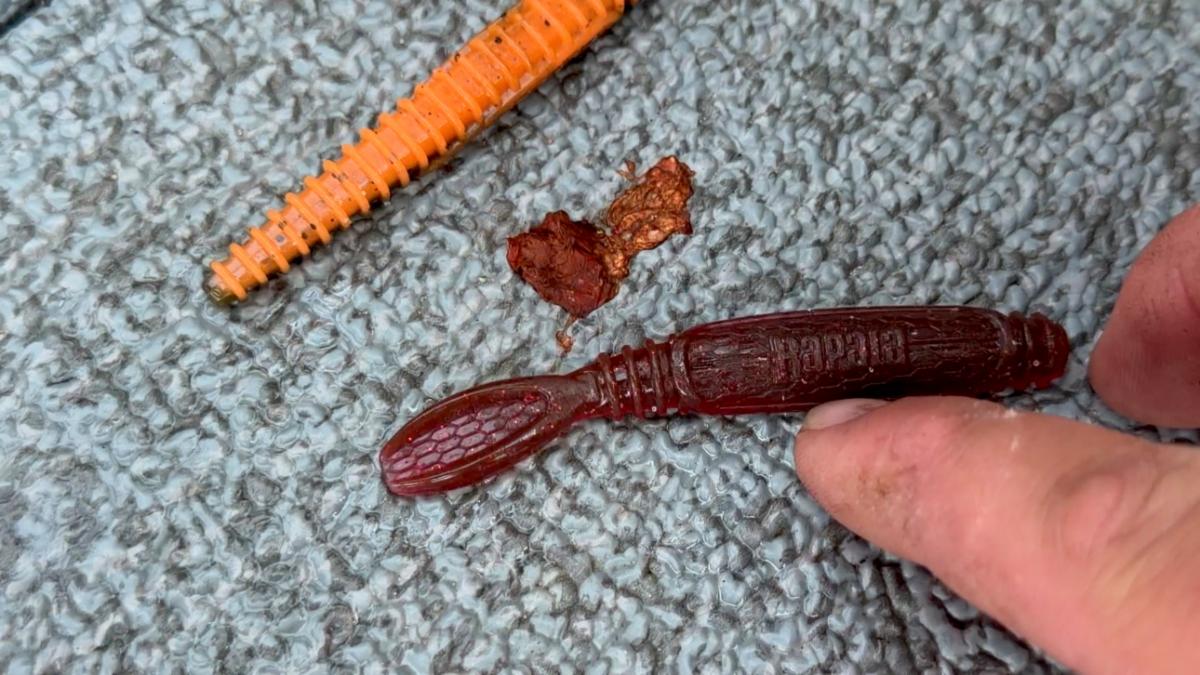
Real quick, got on a crayfish eater deal on a recent trip on Leach Lake when I realized they wanted a jig and crawler hopped on the bottom.
Then a kind walleye left aforementioned 💩 in the boat for me and I started going at 'em with a an "ox blood red flake" color Rapala CrushCity Salted NedRoll.
|
|
|
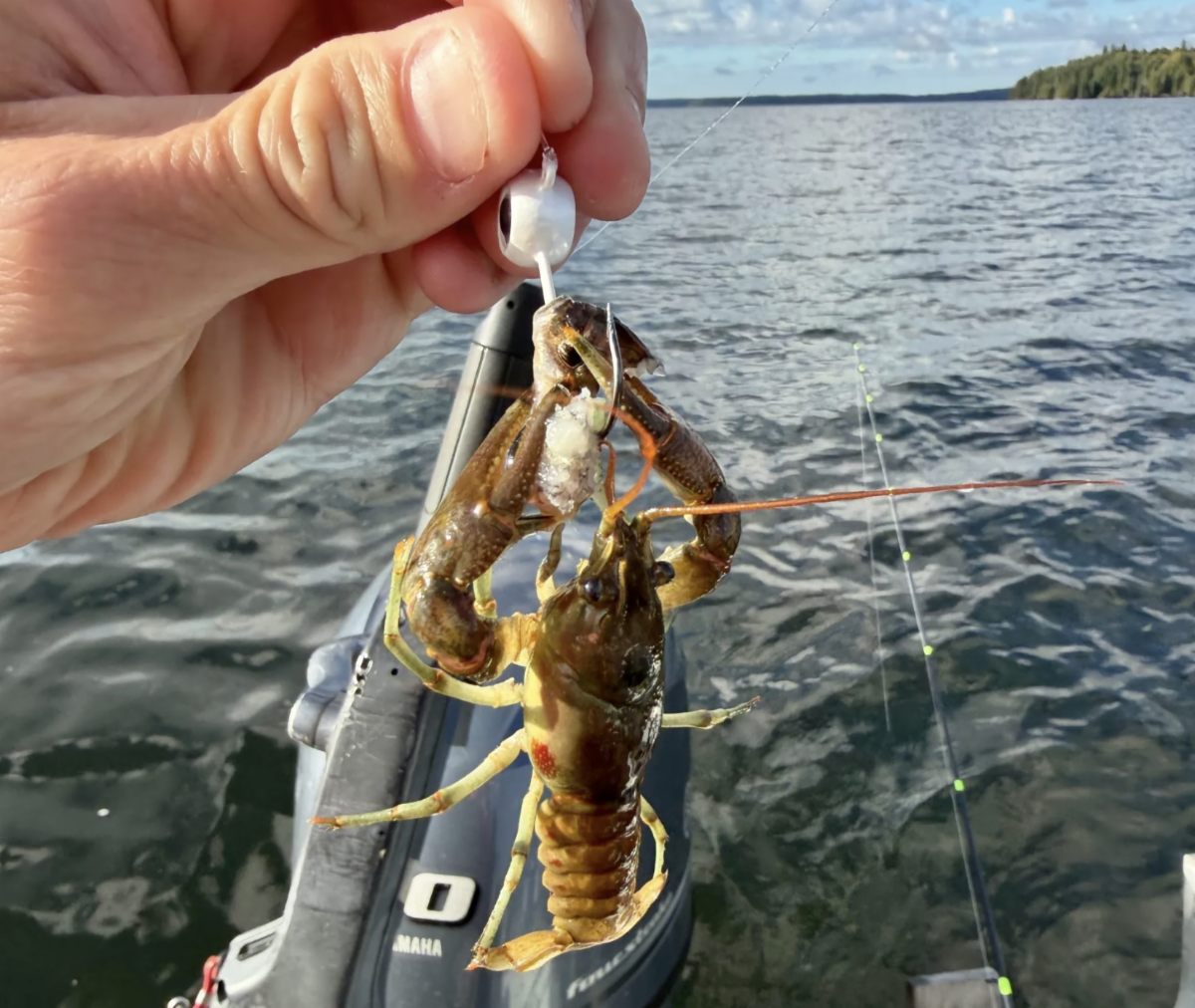
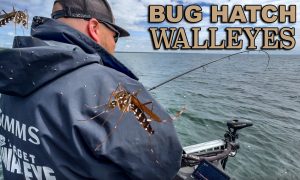
Anyways...the other way to tell you might be around some crayfish eater is if the crayfish are so scared they try hitching a ride to the next spot in the boat! 🤣 Pic from this Lip Ripper Fishing post.
|
|
|
So if you're around some rocks or other places crayfish may find cozy, make sure you check what's on the end of your line before you go grabbing your bait! 🦞
|
|
“Power corking” scattered late-summer walleyes 🎯
|
|
|
> During the summer doldrums...walleyes scatter in ones and twos and small groups because food is plentiful and they don’t necessarily need to gang up to feed. Anglers following conventional summertime wisdom will often slowly work a leech-tipped rig along breaklines or explore the weedlines. Anchoring on points and humps and waiting for walleyes to decide it is dinner time is another option.
> However, impatient anglers, or those preferring a faster-paced strategy, can go on the hunt to find active, feeding walleyes. One highly productive way to do so is a technique called “power corking.” In some respects it’s a watery version of road hunting, but instead of driving around looking for game, anglers use their boats to quickly track down active walleyes and catch them.
> “Real” power corking started in MN, and most likely on Mille Lacs Lake. It’s a huge body of water containing large flats ranging in depth from 15-30’, ideal for walleyes moving up to hunt. Those big flats, though rich in forage, don’t have much structure to hold walleyes because they’re basically, well, flat.
> Traditionally, anglers would drift along these flats looking for walleyes.... The problem...you might have to drift a long, long way to ultimately find pods of fish.
> The “power” in the new approach refers to the boat’s motor, which is used to actively search for walleyes. Jon Thelen...says he’ll cruise along at 5 mph or so while searching for walleyes that are off the bottom. Upon spotting a fish on sonar that looks right, he’ll drop his bobber and jig right behind the boat.
> “Walleyes that are up in the water column generally are active fish, ones that will bite. If I can find them up, I can get them to hit.” Electronics are an essential part of this strategy. In the past, 2D sonar with a GPS system was all that was needed. While that still works, advances in fishing sonar have further increased the angler’s ability to find active walleyes.
> With 2D sonar, the angler slowly motors across a flat, along a break line or anywhere his or her experience suggests walleyes might be. When the boat passes over walleyes up off bottom, the angler kicks the motor into neutral and drops the bait to the fish, directly behind the boat in the sonar cone. This is an important detail: The bait must be immediately above the fish, not just in the vicinity. It’s enough to drop the bait right by the transom or just a few feet beyond – again, keeping the lure in the sonar cone with the walleyes.
> If the boat glides off the fish, you must back up and reset the cork and bait over the walleyes. While that’s still a good technique, forward-facing sonar has changed the game a bit.
> Now, anglers can scan ahead of the boat and even watch the fish’s reaction to the bait. That’s definitely a paradigm shift. However – and this is the entire key to power corking – it’s important to keep moving, to continue hunting for fish. Most pros that use this technique suggest that if the fish you’re on aren’t biting after a brief period, don’t keep trying to make them do so. Instead, move on to find active fish that will bite.
> “The fish we target are active, or at least they’re moving to find food, and you don’t have to use finesse tactics to keep from spooking them,” says Mark Courts, a pro angler from Harris, Minn. “You want to get the bait down there quickly into the zone, and adding some weight helps.”
> Courts tends to prefer a 1/16-oz jig to put the bait above the walleyes he’s targeting.
> Tommy Kemos...likes 1/16-oz jigs with live bait, but he’ll use 1/8-oz and even 1/4-oz jigs when he needs to get deep quickly. Both also employ a 3/8-oz tungsten weight above a barrel swivel and below the float. This weight helps anchor the float and gets the bait down faster as well.
> While most walleye anglers utilize standard slip bobbers or corks, Kemos veers toward Wobble Bobbers – ovoid floats that don’t have the “sticks” through which the line slides. The ovoid bobber is more compact, and it responds just as readily as the standard slip bobber.
|
|
> When rigging up with slip bobbers, ensure your bobber stop is set so that your bait will tantalizingly hang a little above the fish. As with ice fishing, Thelen says that a walleye that moves up to look at a bait is often one that will ultimately hit it.
> Kemos seconds this suggestion of putting baits above target fish. He also uses FireLine for his main line. He feels this is essential because many active walleyes will take the bait as it is still falling, and FireLine lets him feel the hit a bit better. Generally, fluorocarbon (6- to 10-lb test) seems to be the choice for leaders because it is nearly invisible in water and resists abrasion. Conditions will dictate what pound test and what leader length should be used, but a 3-4’ leader is a good start, with longer leaders potentially necessary in ultra-clear water or when fish are finicky or pressured.
Keep reading here.
|
|
|
"It was all about being finesse. Super slow cadence, super slow presentation, not overworking the fish and being really precise in how I was presenting my bait."
|
|
|
- That's NWT Championship Champ Isaac Lakich talkin' the bite at Sakakawea in the NWT recap post.
Something to chew on man! Wonder what we can all get from slowing waaaay down and picking those fish out? 🤔
|
|
|
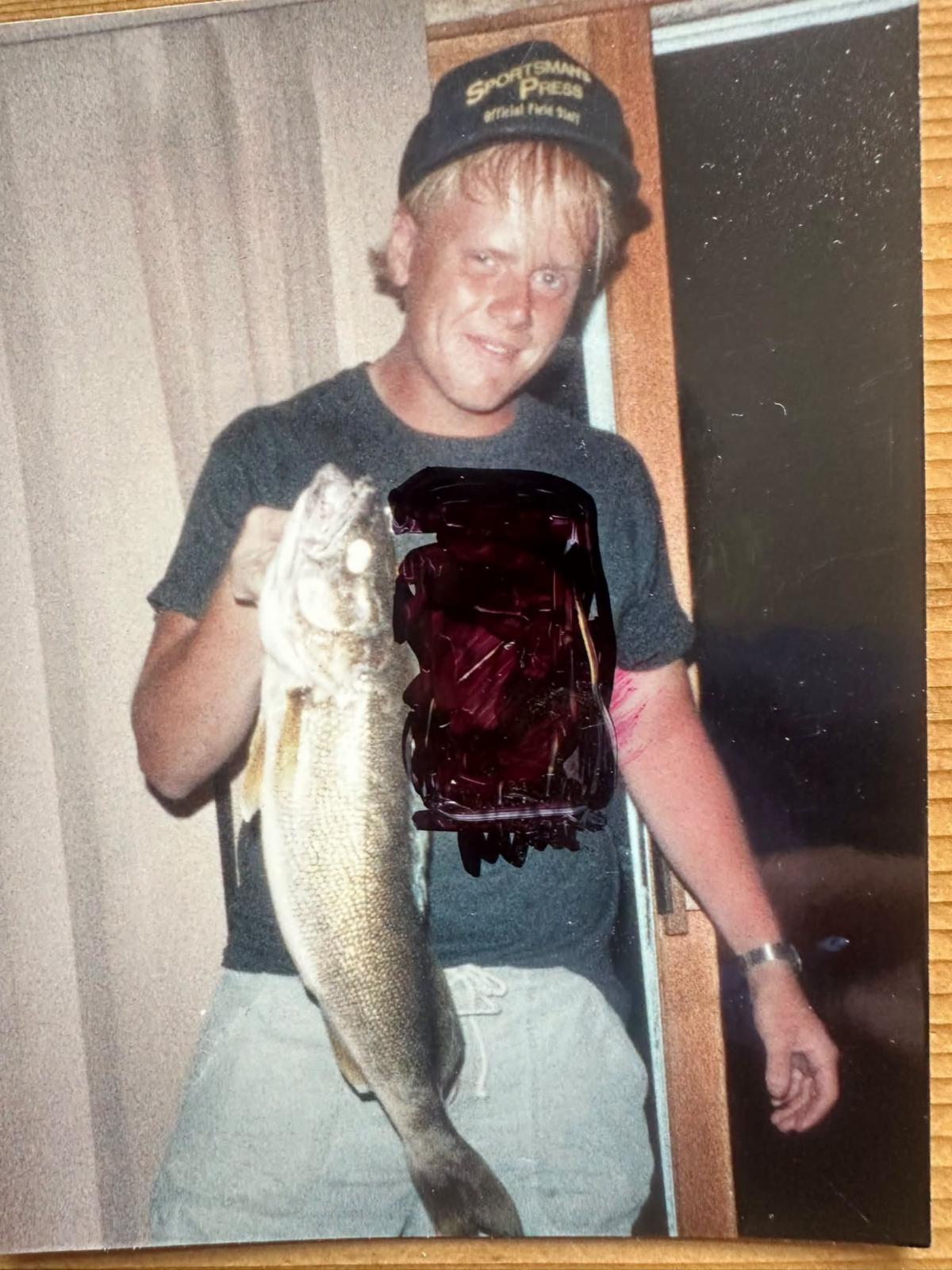
No AI needed here! That's MN Fishing Hall of Famer Brian "Bro" Brosdahl in what you would call "back in the day"! 😁 But now I NEED to know what was on the shirt lol....
|
|
|
Have a great weekend, Target Walleye fam! 👊
|
|
|
Sign up another fish-head!
If you're forwarding Target Walleye to a friend who loves to walleye fish or want your fishing buddies to get these emails, just send us their email addresses and we'll take care of it! (We won't sell the addresses, use them for spam, etc.)
|
|
|
FRIENDS OF TARGET WALLEYE
|
|
|
Target Walleye – walleye during open water and all species during hardwater – is brought to you by Al Lindner, Jay Kumar, Chris Philen, Brett McComas and other diehard fish-heads like you!
|
|
|
|
|
|
Brett McComas is the main man for Target Walleye He was discovered in Brainerd, MN after years of wondering how in the heck people break into the fishing biz. He's in it now, but still can't answer that question.... Brett is one of those guys who majored in marketing, only because there was no such thing as a "fishing degree" at the time.... Get him at brett@targetwalleye.com
|
|
|
|
|